Trump's latest tariff target is copper

Add Axios as your preferred source to
see more of our stories on Google.
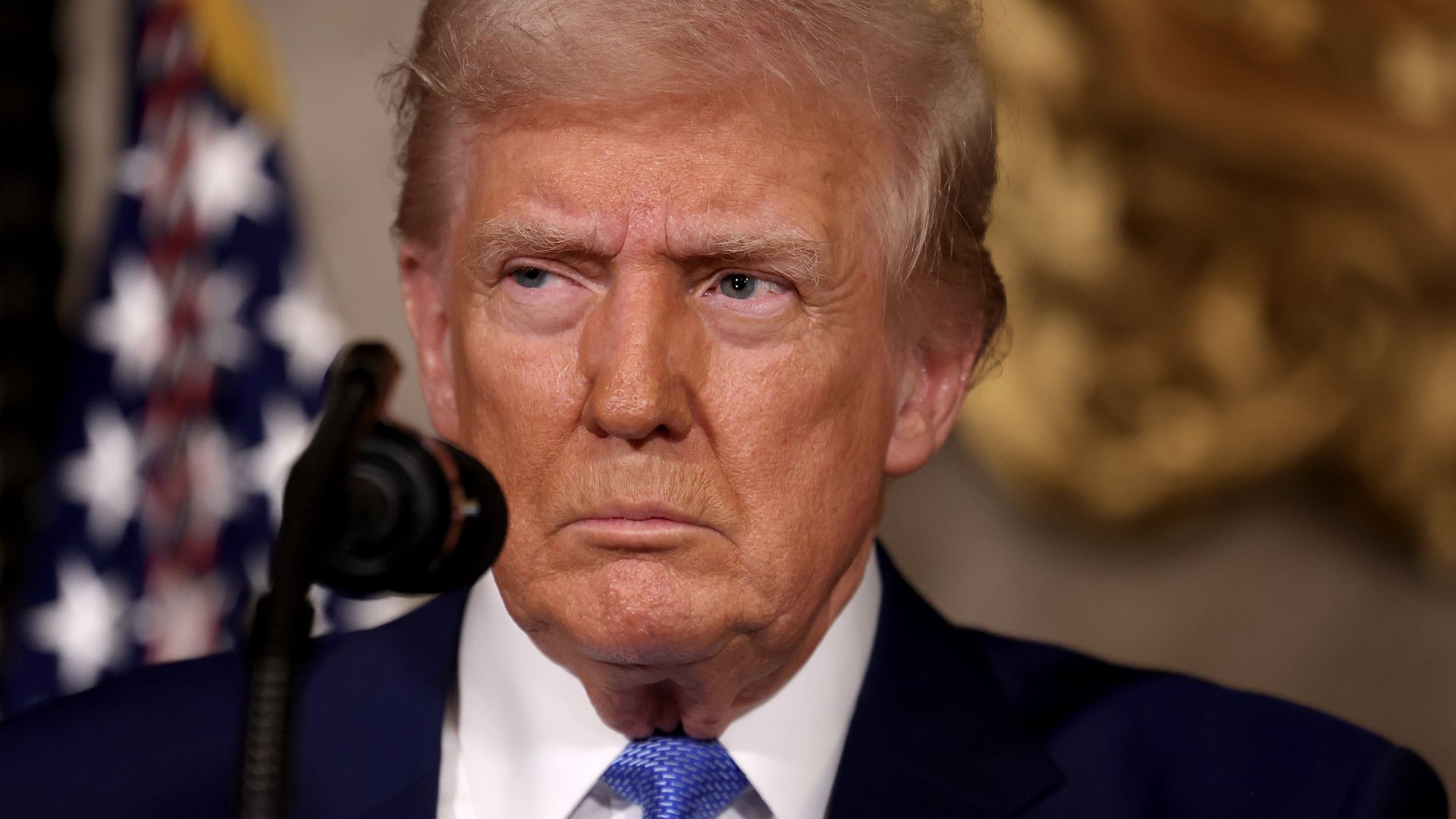
Photo: Joe Raedle/Getty Images
The Commerce Department will investigate whether to slap tariffs on imports of copper, the latest manufacturing component — on top of aluminum and steel — to be swept up in the Trump administration's trade crackdown.
Why it matters: The White House on Tuesday said the billions of dollars worth of annual copper imports threaten national security, given the metal's critical role in the buildout of military vehicles, aircraft and more.
What they're saying: "Tariffs can help build back our American copper industry, if necessary, and strengthen our national defense," Commerce Secretary Howard Lutnick said in a statement given to reporters.
- "American industries depend on copper and it should be made in America. No exemptions, no exceptions."
Yes, but: The U.S. exported more copper, in dollar terms, than it imported in 2024 — a sign that the Trump administration is not just targeting materials where there is a trade imbalance.
- Last year, the U.S. exported $11 billion worth of copper, while it imported about $9.5 billion worth of copper from foreign nations, according to Commerce Department data released earlier this month.
What to watch: Trump's order on Tuesday takes no definitive action. Instead it marks the beginning of a Section 232 investigation that may (or may not) end with a recommendation to put a certain tariff rate on copper imports.
- These investigations have historically dragged on for years, but White House senior trade advisor Peter Navarro told reporters this process will move faster.
- "You will see that our new Secretary of Commerce will move in what I like to call 'Trump time,'" Navarro said, though he offered no timeline for the investigation.
The bottom line: Copper is the latest on a growing list of potential tariff targets that may or may not ultimately face import taxes.
- The uncertainty around trade policy is weighing on sentiment. Surveys by the University of Michigan and the Conference Board show consumers are worried that tariffs will push up prices.
