Feb 18, 2025 - Science
Early human speech hinged on key protein variant: new study

Add Axios as your preferred source to
see more of our stories on Google.
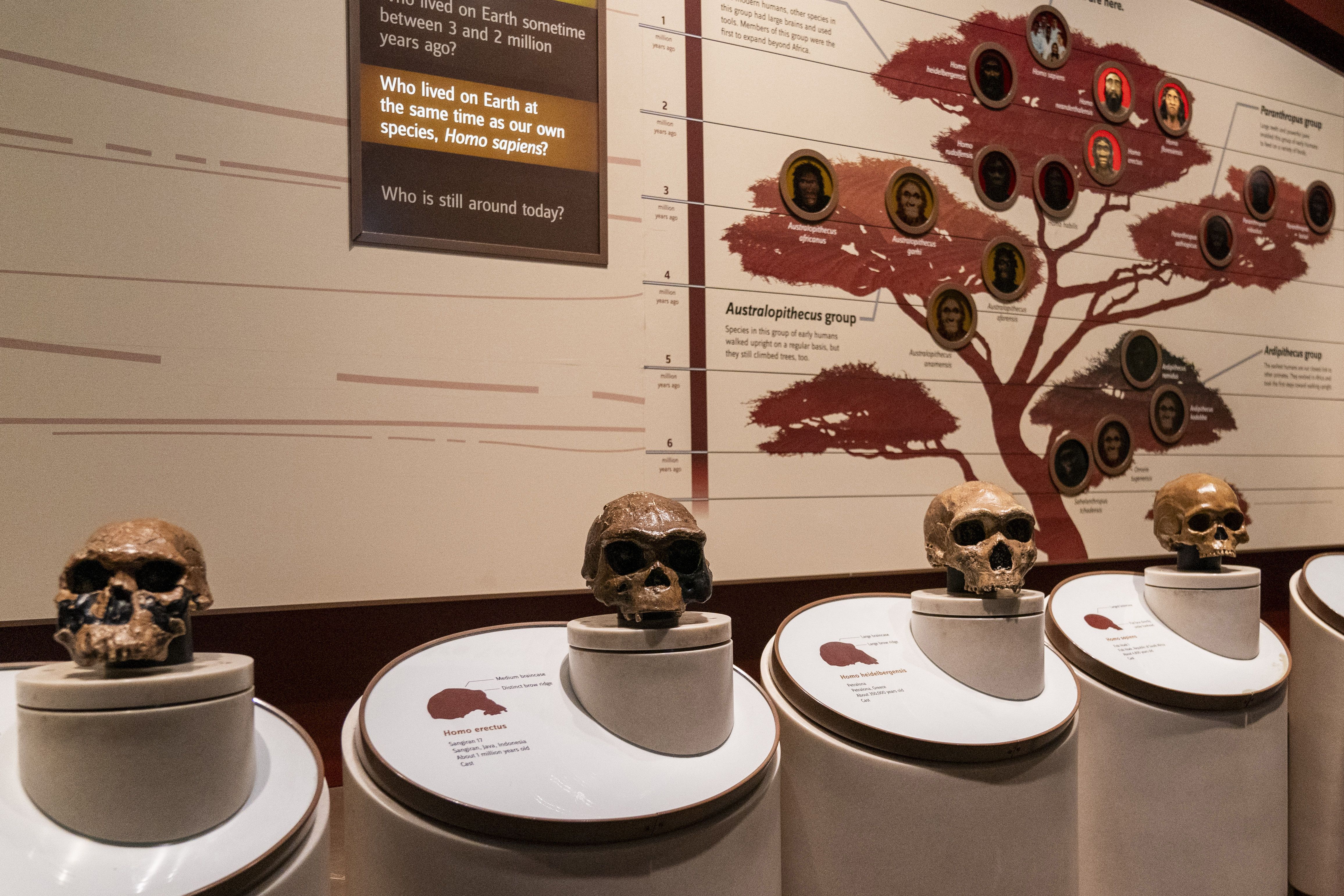
Scientists have found genetics played a big role in why humans began talking — and they think this singular ability was key to our survival, AP reports.
Why it matters: A study out Tuesday links a particular gene to the ancient origins of spoken language. So a protein variant found only in humans may have helped us communicate in a novel way.
- Speech allowed us to share information, coordinate activities and pass down knowledge, giving us an edge over extinct cousins like Neanderthals and Denisovans.
Zoom in: For the new research, scientists at New York's Rockefeller University used CRISPR gene editing to replace a protein found in mice with the exclusively human type.
- It changed the way the animals vocalized when they called out to each other: Baby mice with the human variant squeaked differently than normal littermates when their mom came around.
- Adult male mice with the variant chirped differently than their normal counterparts when they saw a female in heat.
- Both are settings where mice are motivated to speak. They spoke differently with the human variant.
