Market fakers

Add Axios as your preferred source to
see more of our stories on Google.
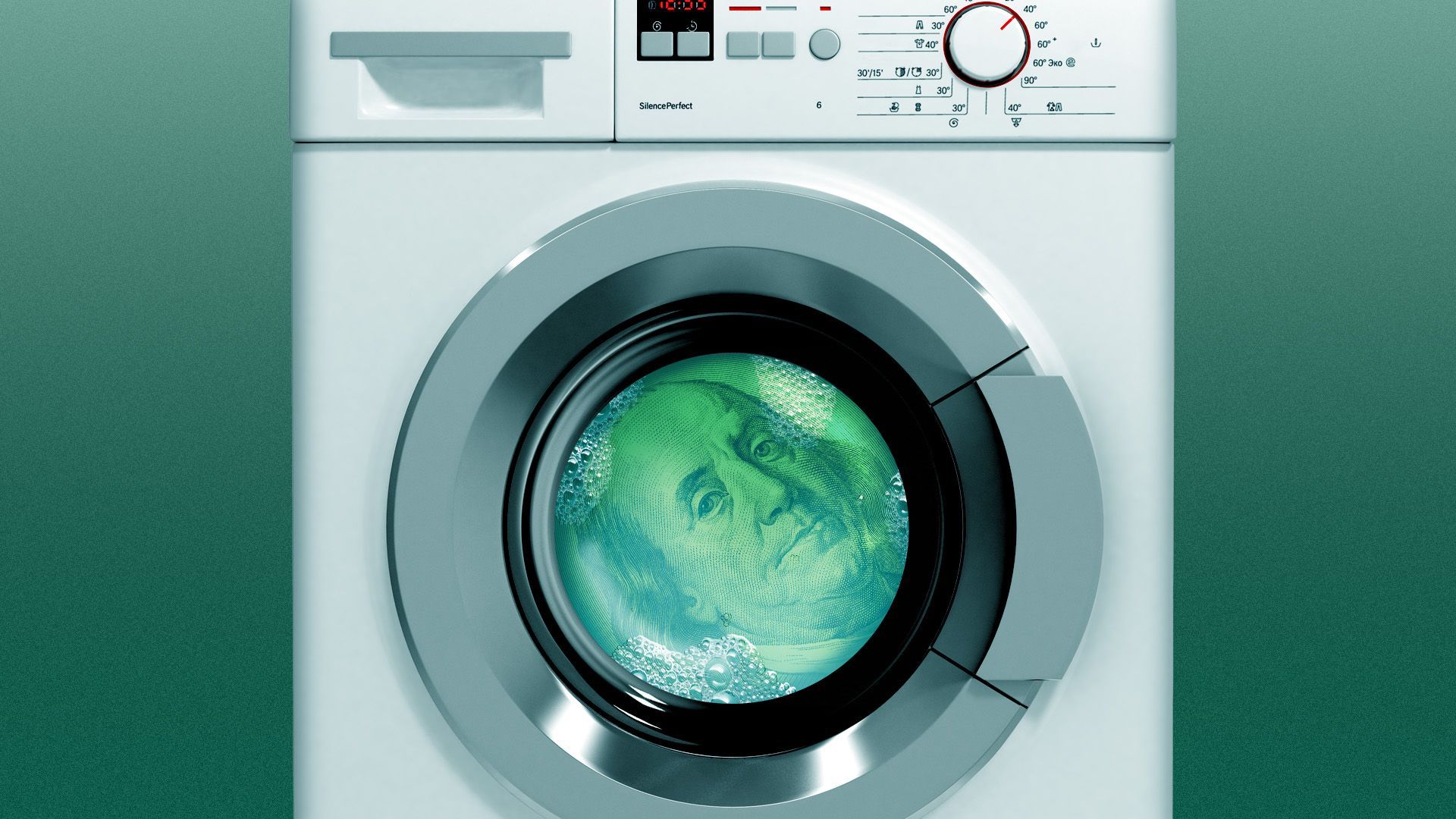
The Justice Department and the SEC have accused a group of firms of faking volume on crypto exchanges to make certain tokens look more popular than they are.
Why it matters: One of the reasons regulators have been reluctant to put the stamp of legitimacy on digital assets (such as by approving exchange-traded products) is because the space is known to be filled with market manipulation.
The latest: The two agencies took action yesterday against multiple individuals for "wash trading."
- The DOJ brought charges against 18 people and entities.
- The SEC brought action against three companies and nine individuals.
How it works: Wash trading is the practice of setting up multiple accounts on exchanges (centralized and decentralized) and executing trades for a token between all those accounts.
- It's essentially buying a bunch of things from yourself.
- The trades appear to represent demand for the asset, but it's all fake.
- Done in enough volume, it supports or raises the price of a token. And this can lead to other traders buying it just to take advantage of the momentum.
Driving the news: "What the FBI uncovered in this case is essentially a new twist to old-school financial crime. 'Operation Token Mirrors' targeted nefarious token developers, promoters, and market makers in the crypto space," said FBI special agent Jodi Cohen of the Boston Division.
The intrigue: Law enforcement created a fake crypto company, NexFundAI, as part of its investigation.
Fun fact: One of the firms named, Gotbit, is familiar to close followers of crypto news. The co-founder, Alexey Andryunin, described to CoinDesk in detail how generating fake volume works back in 2019.
Zoom out: There's a perverse incentive here for exchanges because they will earn fees for all the transactions needed to execute a wash trade scheme.
- But there's also a corresponding disincentive: They lose trust if users believe they're not taking measures to combat fake trading.
The bottom line: Market making is a legitimate business. It's not unusual for firms in various financial markets to contract with someone to be ready to buy and sell a given asset if someone comes to do business.
- What's not OK is taking both sides of most of the trades to make it look like there's more demand than there is.
