The rise of fake influencers

Add Axios as your preferred source to
see more of our stories on Google.
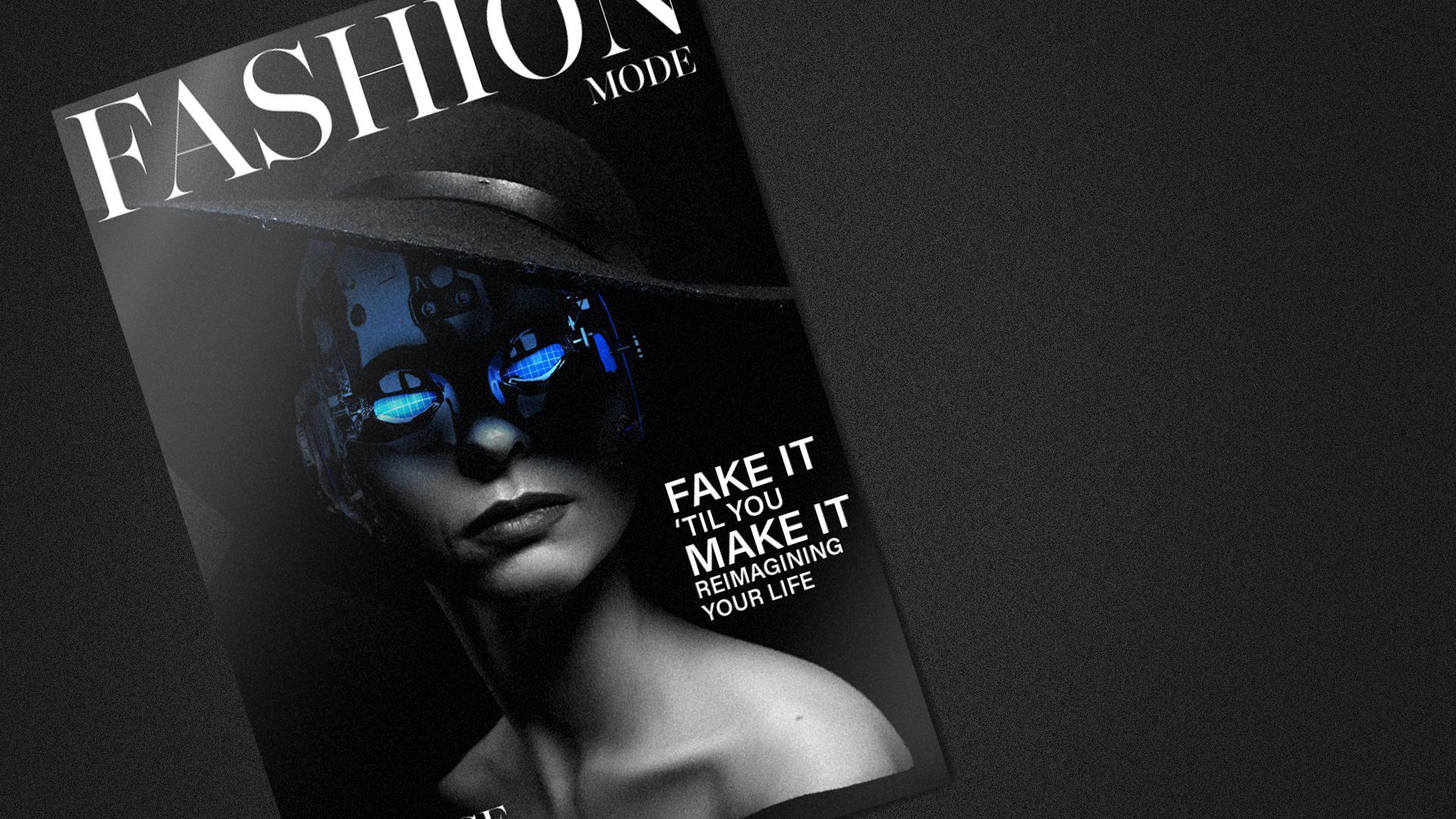
Illustration: Lindsey Bailey/Axios
There’s a new crop of it-girls, models and influencers dazzling magazine covers and posting on Instagram. But they’re not real.
- Brands and creators are harnessing artificial intelligence to mint synthetic influencers.
Why it matters: Today’s young people are encountering a barrage of information through influencers and forming opinions based on their content.
- Influencers are dominating fashion and entertainment, and reported live from both political conventions.
- The rise of AI influencers could escalate the spread of misinformation or exacerbate biases — and it raises big questions about how much we value humanness in online content.
The big picture: Influencer marketing is a multi-billion dollar industry that pays the bills for tens of millions of people around the world.
- It’s also one of the most powerful ways for companies to sell things and change minds. Some 80% of consumers say they got interested in a product or service through an influencer’s post in 2023, according to Marketing Dive.
Now, AI influencers are appearing on the scene.
- Miquela Sousa — one of the first virtual influencers — has 2.5 million followers on Instagram and has modeled for big brands like Chanel, Prada and Supreme.
- Coach recently produced an ad with virtual influencer Imma.
- Lu do Magalu, a Brazilian synthetic influencer, has a staggering 7.1 million Instagram followers and promotes products from cell phones to makeup.
Zoom in: AI influencers can save companies money and time.
- Imagine if a fashion brand could get the same juice from putting its new handbag on a virtual influencer rather than sending a dozen bags to human influencers to review.
- They can also broaden representation. Brands can model their clothes on people of all sorts of backgrounds — and reach more consumers.
- Plus, for better or for worse, polling shows that Gen Z — the target demographic for influencer marketing — doesn’t care if influencers are real or fake.
But AI influencers raise plenty of red flags, experts say.
- Real people are checks on what brands want to promote and how, while AI influencers can be manipulated to say anything. It's one thing when a robot is selling you a lip gloss, but think about a robot telling you how to think about a presidential election or a war.
- Livelihoods are on the line. Influencing is a relatively new career, but it's already under threat from AI. For anyone in the business of ideas or content, "it's particularly jarring to see that people might not care about what humans make," says Claire Leibowicz, head of the AI and Media Integrity Program at The Partnership on AI.
- Generating virtual influencers of different body types and skin colors expands representation, but keeps the real, human influencers from those underexposed backgrounds from benefiting from those opportunities.
And the ability to create hyper-specific influencers that appeal to certain demographics could drive people to over-consume. ”You can manipulate consumer behavior even more effectively,” Leibowicz says.
What to watch: Today's most popular virtual influencers have a clear and purposeful synthetic look, but “it’s getting so easy to pretend to be a real person on the web, not just to look like a real person, but to behave and interact like a real human," says Leibowicz.
- It'll get harder and harder to prove who — and what — is real.
