Congress probes pharma work with Chinese military

Add Axios as your preferred source to
see more of our stories on Google.
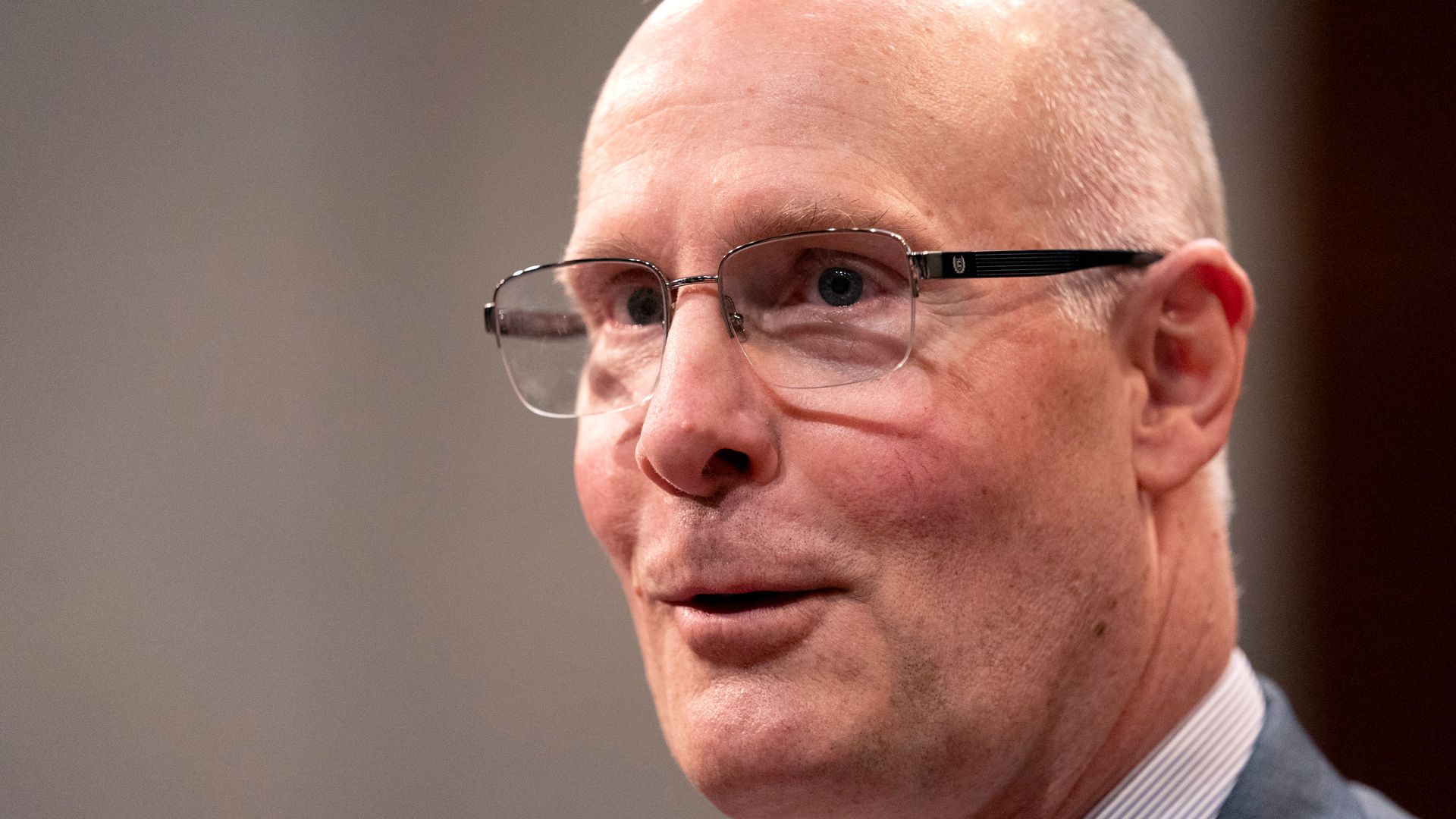
Rep. John Moolenaar. Photo: Allison Robbert/Bloomberg via Getty Images
A bipartisan group of House lawmakers is scrutinizing hundreds of clinical trials they say U.S. drug companies conducted with medical centers connected to China's military over the last decade.
Why it matters: An Aug. 19 letter the group sent to Food and Drug Administration commissioner Robert Califf about the collaborations broadens the scope of congressional inquiries into Beijing's role in drug development ahead of an anticipated vote on banning select Chinese biotech companies from doing work in the U.S.
- Among the concerns is whether Beijing is gaining access to U.S. intellectual property as the nations compete on biotechnology, and whether the FDA is doing enough to look out for national security interests.
State of play: The group pointed to trials done with People's Liberation Army-affiliated institutions on Eli Lilly's Alzheimer's drug donanemab, which is sold under the brand name Kisunla, and Pfizer's axitinib, sold as Inlyta for kidney cancer.
- Drawing from information on a federal clinical trials website, the lawmakers noted research is also taking place in Xinjiang, a region that's home to millions of Uyghurs and other ethnic minorities where the Chinese government has launched a campaign of assimilation that's included human rights abuses.
- "[W]e believe that U.S. biopharmaceutical entities could be unintentionally profiting from the data derived from clinical trials during which the CCP forced victim patients to participate," wrote Reps. John Moolenaar (R-Mich.), Raja Krishnamoorthi (D-Ill.), Anna Eshoo (D-Calif.) and Neal Dunn (R-Fla.).
- Moolenaar and Krishnamoorthi are the top lawmakers on the Select Committee on the Chinese Communist Party.
The lawmakers asked Califf whether the FDA has reviewed the clinical trials or inspected the facilities in question, and if the agency sent notices to companies about the collaborations.
- They also requested cost estimates of doing such work in China and metrics for assessing IP and technology transfer risks.
- The FDA received the letter and will respond directly to the lawmakers, a spokesperson told Axios.
- Eli Lilly said it conducts clinical trials around the world to ensure diversity in research and to increase access to its medicines. A spokesperson added the company is committed to IP protections and screens its research partners.
- Pfizer did not immediately respond to a request for comment.
What's next: The agency has until Oct. 1 to respond. Congress this fall is expected to take up the Biosecure Act, which would ban American companies from contracting with selected Chinese biotech firms.
