What to know about ketamine, the drug Matthew Perry was given before his death

Add Axios as your preferred source to
see more of our stories on Google.
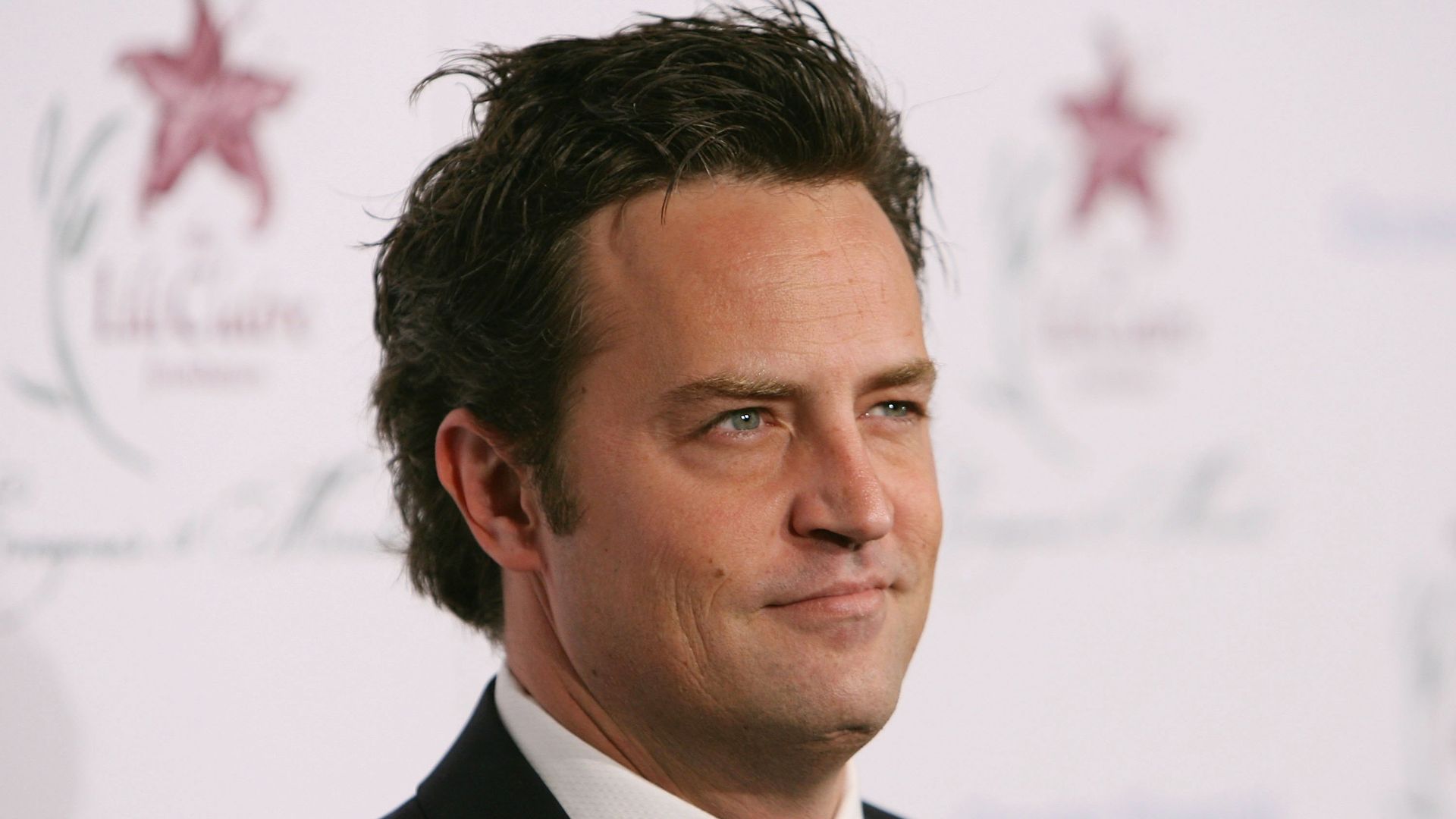
Matthew Perry in 2006. Photo: Michael Buckner/Getty Images
Five people, including two doctors and a San Fernando Valley drug dealer known as the "Ketamine Queen," have been charged in connection to the death of "Friends" star Matthew Perry, who suffered a fatal overdose in October 2023.
The big picture: The physicians and drug dealer arrested Thursday were charged with conspiracy to distribute ketamine, the drug whose acute effects the Los Angeles County Medical Examiner's Office said caused Perry's death.
- The medical examiner's office also pointed to drowning, coronary artery disease and the effects of buprenorphine (used to treat opioid use disorder) as contributing factors in his accidental death.
Driving the news: The superseding indictment alleges Salvador Plasencia, one of the physicians arrested Thursday, distributed ketamine to Perry and his personal assistant, whom the doctor taught how to inject Perry, on at least seven occasions and did not monitor him properly afterward.
- The doctors who supplied Perry with the drug even allegedly texted about the pricing, questioning, "I wonder how much this moron will pay."
- Using instructions and syringes provided to him by Plasencia, Kenneth Iwamasa, Perry's assistant, injected the actor with ketamine that was sold to him by drug dealers, including on the day Perry died at his Pacific Palisades home after several injections, prosecutors allege.
Zoom out: The demand for and use of ketamine, a powerful and long-used anesthetic, has skyrocketed in recent years as a means to treat depression and chronic pain.
How is ketamine used?
The drug's main use is as an injectable, short-acting anesthetic utilized by doctors and veterinarians, but it has risen in popularity as a treatment for depression, anxiety, chronic pain and even as a means to ease opioid withdrawals.
- Ketamine can be administered through IV infusions, nasal sprays and lozenges, and patients say its fast-acting effects work in ways traditional antidepressants do not.
- It has some hallucinogenic effects and can leave the user's perceptions distorted, according to the DEA, which often leads to it being abused.
- It has also been used as a recreational drug for decades.
Is it FDA approved?
The Food and Drug Administration has approved only one treatment, Johnson & Johnson's nasal spray Spravato (which includes only the one of two two mirror-image molecules in ketamine), for adults with depression when other antidepressants have not relieved their symptoms.
- While the FDA does not approve of ketamine for treatment of psychiatric disorders, off-label sales have boomed.
- "Typically, drug companies are restricted to marketing and promoting their products only for FDA-approved indications," Johns Hopkins Center for Drug Safety and Effectiveness co-director Caleb Alexander said in a Q&A earlier this year. "But in the case of ketamine, the product is being marketed and promoted by clinics and telehealth companies that aren't manufacturing the drug."
- The ketamine industry has recently seen the closing of some brick-and-mortar clinics, Axios previously reported, leaving gaps in care for vulnerable patients who may have to turn to unvetted telehealth-only options.
Is it addictive?
While the National Institutes of Health says more research is needed to determine how addictive the drug is, studies in humans show regular use is associated with symptoms of addiction, such as continuing to use ketamine despite knowing that it is causing problems.
- In Perry's case, Plasencia sold the ketamine to the actor's assistant despite being told at least one week earlier that his "ketamine addiction was spiraling out of control," according to a release from the Central District of California U.S. Attorney's Office.
The bottom line: Increasing numbers of clinics legally offer transfusions of the anesthetic for off-label uses to treat mental health disorders, but in those cases, a professional monitors patients during and after treatment.
- But prosecutors allege Plasencia injected ketamine into Perry without the proper safety equipment, including once in a parked car in a lot, and did not properly monitor him after injections.
Go deeper: Looking at ketamine, the short-term wonder antidepressant
