Digital twins take off in health care

Add Axios as your preferred source to
see more of our stories on Google.
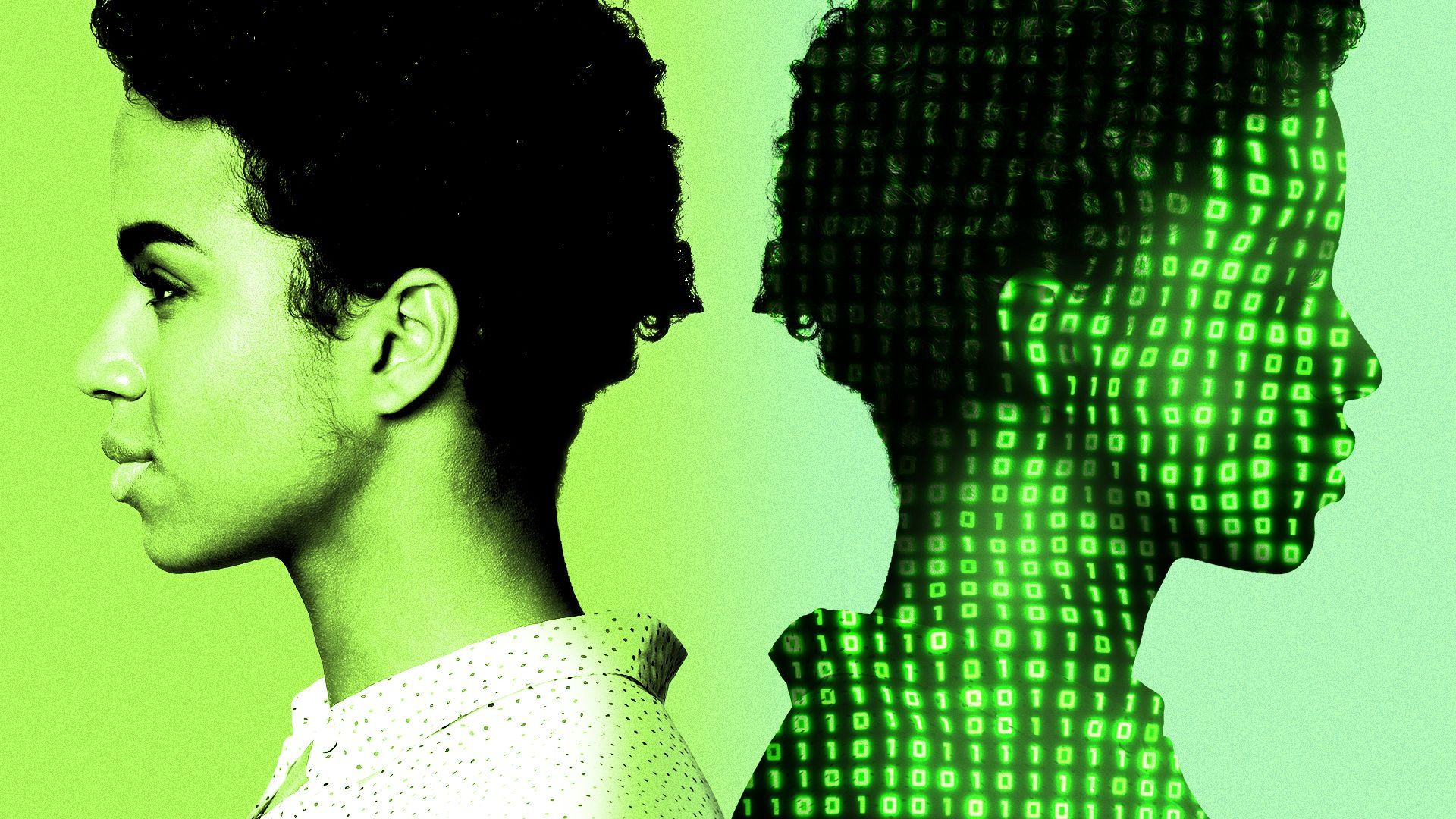
If you haven't heard of digital twin technology in health care yet, you probably will soon.
Why it matters: Virtual likenesses of a human or an object are increasingly being seen as a powerful tool for research, writes Axios' Megan Morrone.
Zoom out: Right now "digital twin" has become shorthand for an array of AI models and can mean anything from a statistical model of a complex organism, to a video avatar of a billionaire trained on his speeches and posts, she writes.
- In health care, digital twins can be an AI model of a person or a part of a person used to analyze large quantities of health data in order to provide more personalized treatment or speed up drug development.
- They're not entirely new. Studies involving digital twins first began popping up in PubMed in 2017.
- Digital twins offer "tremendous opportunities for personalized healthcare," but they also pose potential ethical, societal and legal challenges, according to a review article in npj Digital Medicine.
Tina's thought bubble: I've struggled to fully wrap my mind around this concept. Lisa Shah, chief medical officer of a startup called Twin Health, told me to think about it like the challenge of building autonomous cars.
- "There's lots of inputs and outputs, lots of things that can go wrong when you're driving a car, so you have to almost create a digital replica of that car and be able to predict what's going to happen," Shah said.
- "We do the same thing," she said, only it's with digital twins of patients using Bluetooth-connected sensors to measure data points like blood pressure and heart rate.
