Study: The number of Asian American Pacific Island Latinos has doubled

Add Axios as your preferred source to
see more of our stories on Google.


The number of Americans who identify as Asian American Pacific Islander Latinos has more than doubled over the last two decades, a new study finds.
The big picture: AAPI Latinos are having an enormous influence on literature, politics and pop culture, but little research exists on one of the nation's fastest-growing demographics.
State of play: The growth of AAPI Latinos hints at the evolving closeness between Asian Americans and Latinos in states like California, Texas and New York.
- It comes a generation after President Lyndon Johnson signed the Immigration and Nationality Act of 1965, which opened pathways for more immigration from Asia and Latin America and transformed U.S. cities.
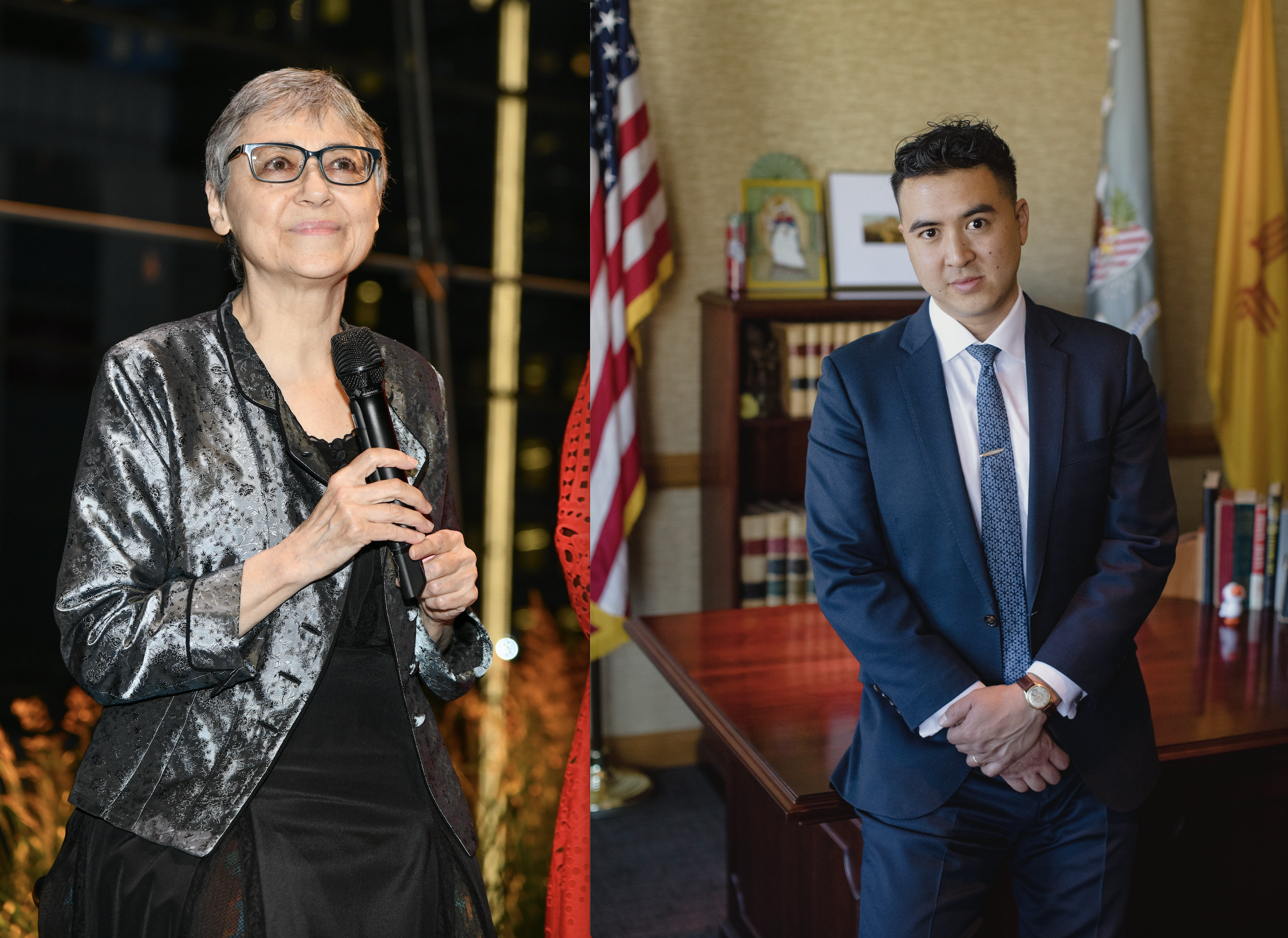
What they're saying: "It's interesting to see the population grow so much but many people are flying under the radar even though they are doing well," Jie Zong, co-author and senior research analyst at the UCLA Latino Policy and Politics Institute, tells Axios.
- "They are as American as can be."
- Zong says AAPI Latinos are challenging old notions of race in the U.S.
By the numbers: Between 2000 and 2022, the AAPI Latino community in the U.S. jumped from 350,000 to 886,000, according to a report released Wednesday by the institute in partnership with the AAPI Civic Engagement Fund.
- California is home to the most AAPI Latinos, with 302,000 residing in the state.
- 87% of AAPI Latinos are U.S.-born.
- Two-thirds of them speak only English at home, with another one-quarter being bilingual.
Yes, but: The homeownership rate of AAPI Latinos lags behind both the total U.S. and the overall AAPI population, the report found.
- AAPI Latinos' poverty and low-income rates are on par with those of the total population (24%) and slightly higher than the AAPI population (20%).

Between the lines: Asian Americans and Latinos have a lot in common, from similar histories of discrimination to not feeling American enough or Chinese or Mexican enough, Anthony C. Ocampo, a Cal Poly Pomona sociology professor, tells Axios.
- "There's a lot of overlapping experiences that I think bridge these two groups together," says Ocampo, author of "The Latinos of Asia: How Filipino Americans Break the Rules of Race."
- One of the most obvious products of Asian American/Latino interaction has been the evolution of food in some regions of the country, Ocampo says.
- One can easily find teriyaki chicken tacos in Los Angeles and stumble upon a Chinese Latino restaurant in New York.
Zoom in: Some of the most notable AAPI Latinos include Japanese Dominican American singer Jhené Aiko and Chinese Mexican American U.S. Attorney Alexander M.M. Uballez of New Mexico.
- The Los Angeles-born Aiko is known for her 2014 quintuple platinum song, "The Worst."
- Uballez is the son of a Chinese immigrant and East L.A. Chicano music legendary singer/songwriter Max Uballez. The younger Uballez is on an advisory committee of U.S. Attorney General Merrick Garland and is one of the most high-profile AAPI Latinos in the Biden Administration.
- Chicano Chinese American writer Brandon Som was awarded the 2024 Pulitzer Prize for Poetry earlier this month for his collection, "Tripas: Poems."
- Ken Miyagishima, the recently retired mayor of Las Cruces, New Mexico, was one of the longest-servicing Asian American mayor in U.S. history. He's the son of a Mexican American woman and a Japanese American father who was forced into a detention camp during World War II.
Subscribe to Axios Latino to get vital news about Latinos and Latin America, delivered to your inbox on Tuesdays and Thursdays.
