New weight-loss drugs linked to lower risk of depression: study

Add Axios as your preferred source to
see more of our stories on Google.
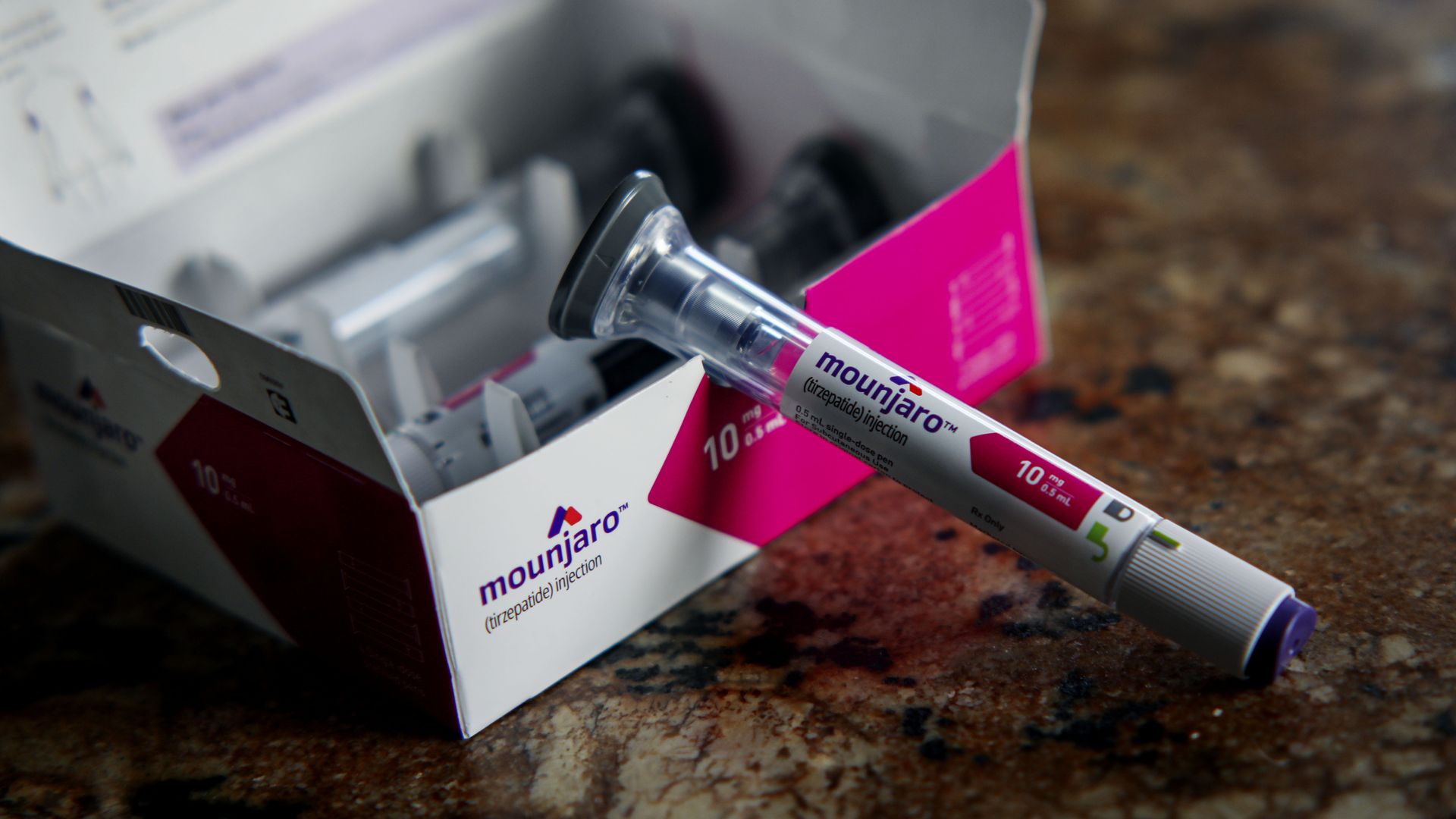
A Mounjaro injection pen on display. Photo: Sandy Huffaker for The Washington Post via Getty Images
Patients taking some new diabetes and weight-loss drugs are less likely to be diagnosed with depression and anxiety after starting the medication, according to a study of over 4 million patient records.
Why it matters: It adds to evidence that the class of drugs known as GLP-1 agonists do not increase risk of depression following anecdotal reports of increased suicidal thoughts in patients taking them.
- A recent preliminary review by the Food and Drug Administration found no evidence linking GLP-1s to suicidal thoughts or actions, and a recent federal study found a lower risk of suicidal thoughts in patients taking a certain GLP-1 compared with those taking earlier versions of weight-loss drugs.
Details: The new study by Epic Research examined the electronic health records of more than 3 million patients with diabetes and about 930,000 non-diabetic patients who were taking GLP-1s.
- Among both diabetic and non-diabetic patients, most versions of the GLP-1s were correlated with a decreased likelihood of depression compared with those who were not taking the drugs.
- Diabetic patients taking medications with tirzepatide, the active ingredient in Eli Lilly's Mounjaro, saw the greatest reduction in the likelihood of depression at 65%. The same ingredient is the main component in Zepbound, which the FDA approved for weight loss in November.
- Among non-diabetic patients, the greatest reduction in the likelihood of depression was seen in those taking semaglutide, the active ingredient in Novo Nordisk's Ozempic and Wegovy.
- There was no statistical difference in rates of depression among patients taking GLP-1s with the active ingredient liraglutide, sold under the brand name Victoza and Saxenda.
- Researchers found similar results when looking at anxiety. However, they found that only non-diabetic patients saw a reduced likelihood of anxiety when taking semaglutide.
Our thought bubble: This may also lend further evidence these drugs may be valuable for the treatment of depression — adding to the growing list of other potential applications of GLP-1s being studied, including for heart disease, addiction and kidney failure.
