2023's harvest moon will also be the last supermoon of the year

Add Axios as your preferred source to
see more of our stories on Google.
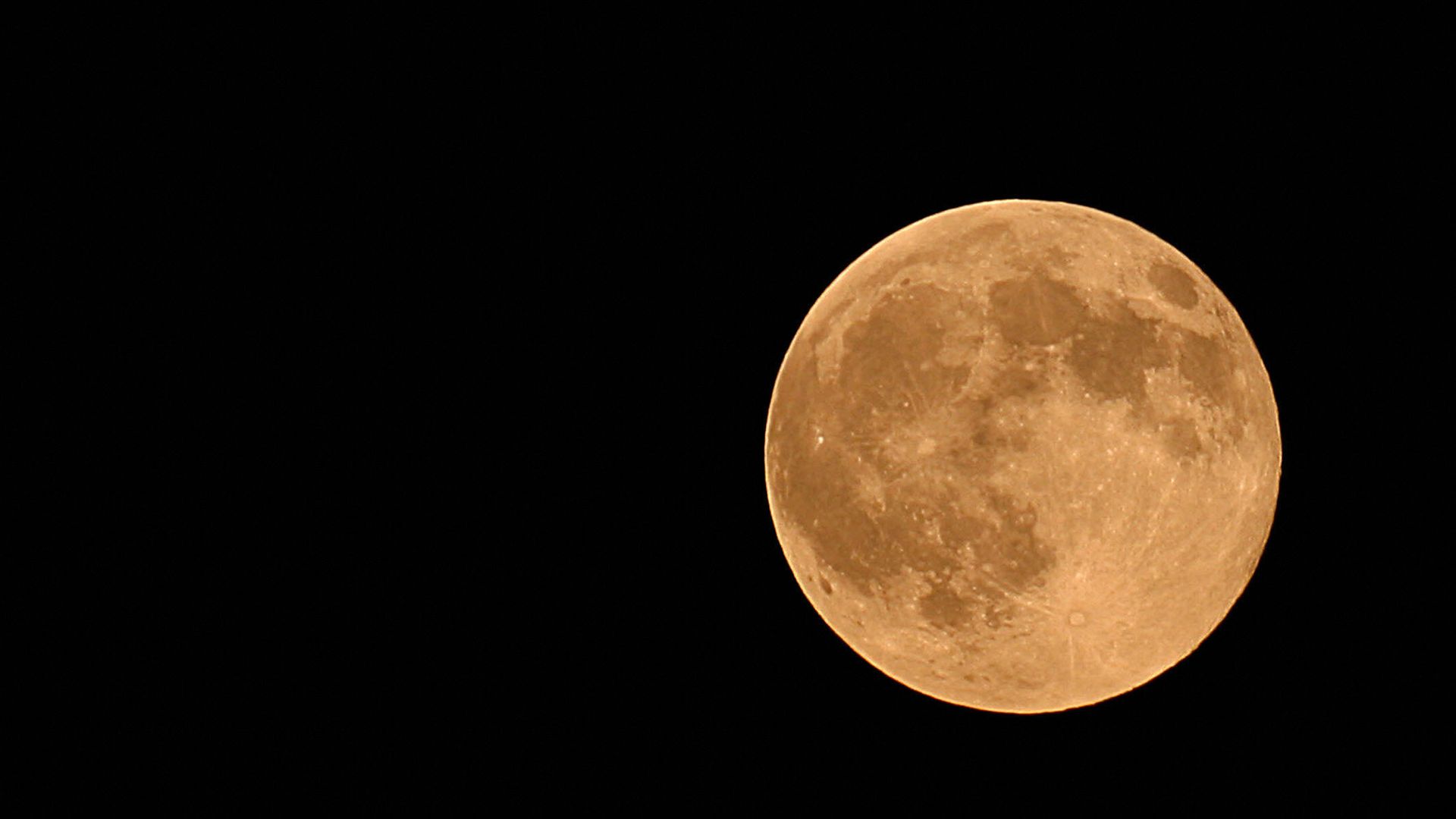
A normal harvest moon over Manassas, Virginia, in September 2007. Photo: Karen Bleier/AFP via Getty Images
When this year's harvest moon rises later this week, it will also be a "supermoon," meaning it may appear slightly larger and brighter.
Why it matters: It will also be the last supermoon of year, coming after the buck supermoon in July and the sturgeon and blue supermoons in August.
- It will rise between Thursday night and Friday morning.
- Harvest moons have a relationship to the fall equinox, which this year fell on Sept. 23.
What are harvest moons?
What it is: "Harvest moon" refers to the nearest full moon to the autumnal equinox — one of two equinoxes that occur annually — which marks the official end of summer and beginning of fall.
- During equinoxes, the sun is exactly above the Equator, meaning day and night are almost exactly the same lengths.
- The Southern Hemisphere also has yearly harvest moons, usually in March or early April.
Context: Harvest moons and the near-full moons around them historically gave harvesters more time to gather crops before the first frost, according NASA.
- They're significant to many cultures, signifying abundance, fruition and preparation for a new year and a new agricultural cycle.
What's a supermoon?
What it is: "Supermoon" refers to a full or a new moon rising as the moon is nearing its closest point, or "perigee," to Earth in its orbit around the planet.
- While it's near or at its perigee, the moon may look slightly brighter and around 14% larger than when it's farthest from Earth, per NASA.
Of note: It may be difficult to perceive the size difference with the naked eye.
- Usually there are between three and four of them in a year.
How can I see this year's harvest moon?
- If the weather is clear, a person in the Northern Hemisphere should be able to see the harvest moon, as it will be the largest and brightest object in the night sky.
- It will begin rising after sunset on Thursday and will reach peak illumination at 5:58am ET on Friday morning. The moon will appear full for between Wednesday evening to Saturday morning.
When's the next supermoon?
- Another supermoon won't occur until Sept. 18, 2024 — almost a full year away, according to In the Sky.
- It will be one of two full supermoons that year, the other rising on Oct. 17.
Go deeper: NASA shares unprecedented view of moon's south pole region
