Tougher banking rule proposal exposes division among Fed officials

Add Axios as your preferred source to
see more of our stories on Google.
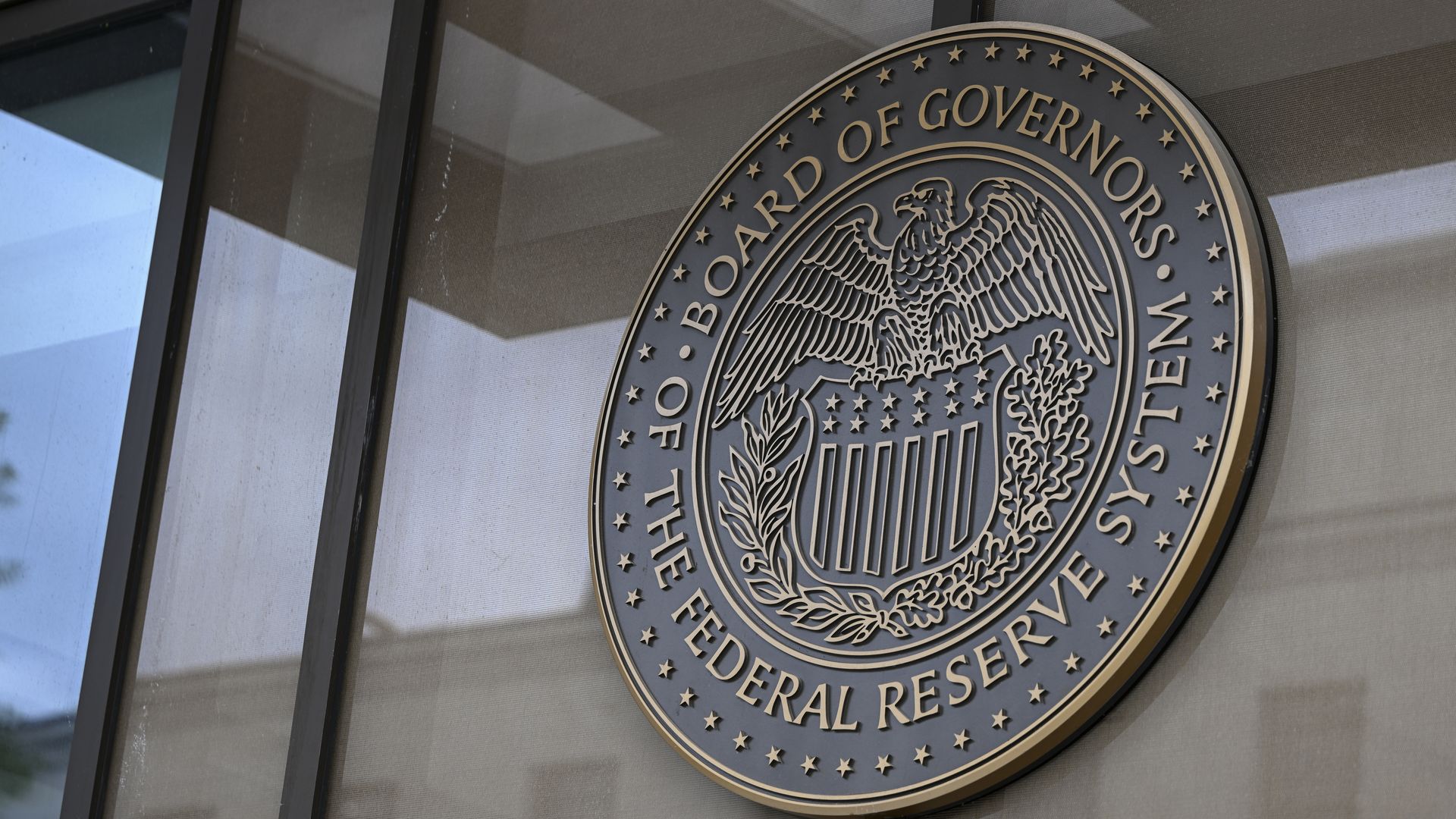
Photo: Celal Gunes/Anadolu Agency via Getty Images
Two top Federal Reserve officials said they oppose a proposal of tougher rules for the banking industry released on Thursday.
Why it matters: The widely expected proposal, which received enough Fed votes to move forward, is meant to bring banking rules in step with a longstanding international agreement — a push that grew more urgent after a string of bank failures earlier this year.
- But officials at the Fed were divided on the plan. It's the latest sign that once-rare splits among top policymakers on regulatory matters are increasingly spilling out into the open.
State of play: Two of the six Fed governors voted against a proposal that would require large banks to hold higher levels of capital: Michelle Bowman and Christopher Waller.
- At the Fed's first open meeting since the pandemic, other officials — including Fed chair Jerome Powell — supported putting the proposal out for public comment, but acknowledged some concerns about potential side effects.
- A separate proposal that would tweak a capital rule for the nation's very largest banks received unanimous support.
What they’re saying: “The proposed revisions under consideration have not been directed by Congress and are not compelled by a new evolution or identified weakness in the U.S. banking system,” said Bowman, a Fed governor appointed by former President Trump, in a statement.
- “I agree that a well capitalized banking system is critical to the resilience of our financial system, but increases in capital requirements are not free,” said Waller, also a Trump-appointed Fed governor, in a separate remarks.
Catch up quick: The proposal, which is subject to a lengthy public comment period, was jointly issued by the nation’s banking regulators: the Federal Deposit Insurance Corporation, the Office of the Comptroller of the Currency, and the Fed.
- Two FDIC officials also opposed the proposal.
Details: The rules would require banks to hold higher levels of capital, a move that Fed’s top bank cop, Michael Barr, said on Thursday would “increase the strength and resilience of the banking system.”
- The requirements would raise capital on average by 16%.
- "As we learned earlier this year, banks with inadequate levels of capital are vulnerable and that vulnerability can cause contagion," Barr said at the Fed meeting.
What to watch: The rules would apply to banks with at least $100 billion in assets, roping in many regional lenders that weren’t subject to these requirements before.
- Those firms were the focus of intense scrutiny earlier this year, when a string of them (including Silicon Valley Bank) failed.
The other side: The banking industry has fiercely opposed the rules, arguing that banks would crimp lending in response, which would have harmful effects on the U.S. economy.
In a statement, Fed chair Jerome Powell acknowledged that risk: “While there could be benefits of still higher capital, as always we must also consider the potential costs. This is a difficult balance to strike, and striking it will require public input and thoughtful deliberation.”
Editor's note: This story was updated with additional information.
