Mapping historic LGBTQ sites amid gentrification and fading memories

Add Axios as your preferred source to
see more of our stories on Google.
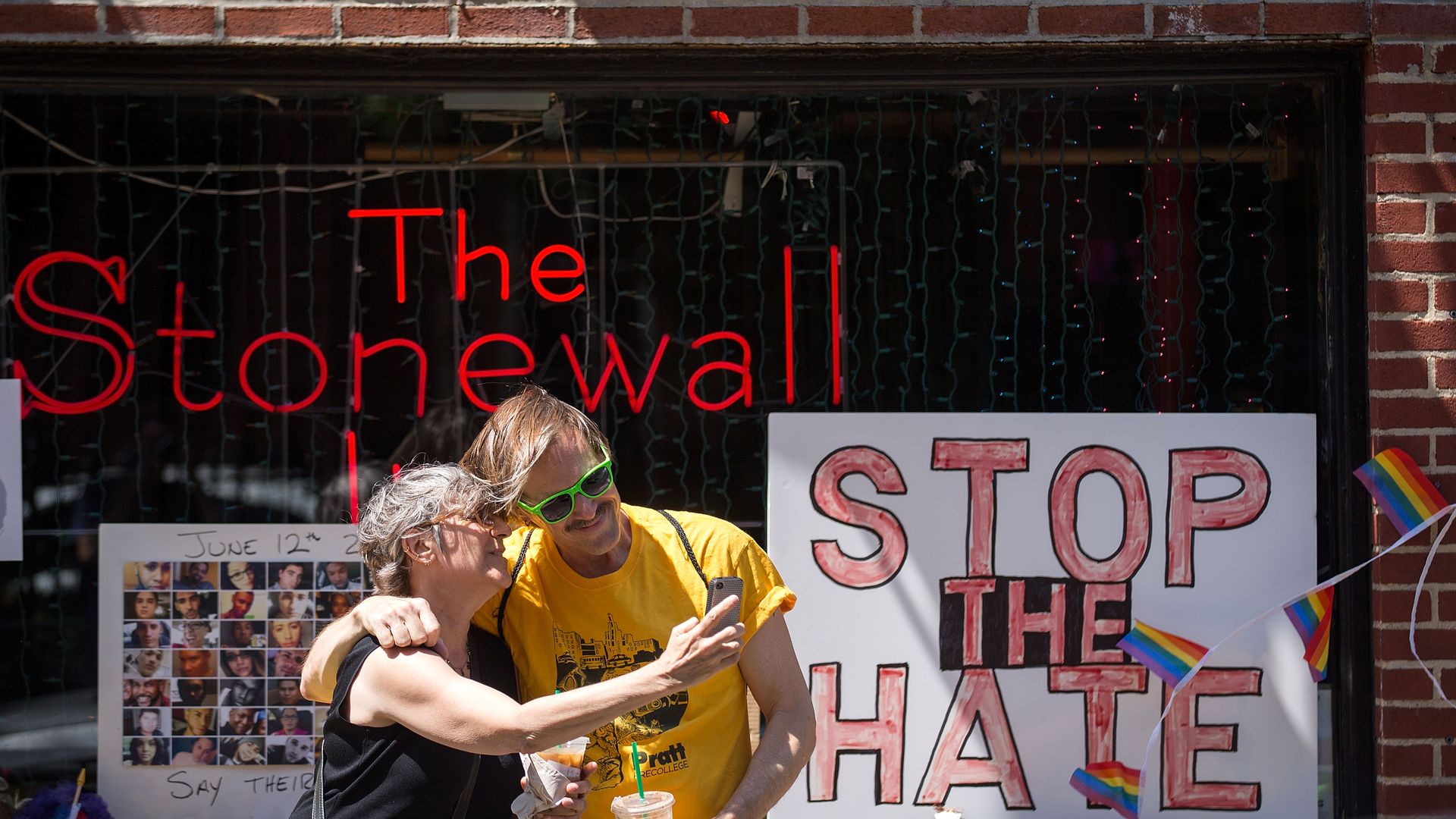
People take a selfie in front of the Stonewall Inn on June 24, 2016, in New York City. Photo: Drew Angerer/Getty Images
Historic sites linked to essential moments in LGBTQ history are finally seeing preservation efforts after decades of being forgotten or dismissed.
Why it matters: Few databases exist mapping LGBTQ sites, and cities rarely do anything to mark places related to gay and lesbian history, putting these places at risk of being erased from memory.
Details: NYC LBGT Historic Site Project is mapping hundreds of locations around the city's five boroughs that are connected to LGBTQ history from the 1600s to 2000.
- Amanda Davis, project manager of NYC LBGT Historic Site Project, told Axios the effort began in 2015 and has resulted in findings of history that go beyond the Stonewall Inn — the site of the 1969 Stonewall Riots.
- Findings include Julius' Bar, a still-standing gathering place of the early gay rights group Mattachine Society, and Caffe Cino, a now-gone gathering place that was an incubator space for gay playwrights.
State of play: The National Park Service, which oversees the National Register of Historic Places, has made efforts over the years to commemorate LGBTQ+ spaces of importance.
- The National Trust for Historic Preservation also has been working to document and fund projects to save sites linked to LGBTQ history.
- The trust recently identified eight sites in the American South that tell the history of LGBTQ America. The "Sinister Wisdom" Origin Site, a place that housed a literary journal for Appalachian lesbians in Charlotte, North Carolina, is among those mapped.
- San Francisco, Los Angeles, New England, Philadelphia, Washington, D.C., Kentucky and Maryland, in recent years, have undergone studies and identified LGBTQ historic spaces.
Flashback: Then-President Obama in 2016 designated Stonewall Inn and around 7.7 acres surrounding it as the first national monument dedicated "to tell the story of the struggle for LGBT rights."
Yes, but: In most cities, once iconic locations are barely noticed or risk being bulldozed for other developments.
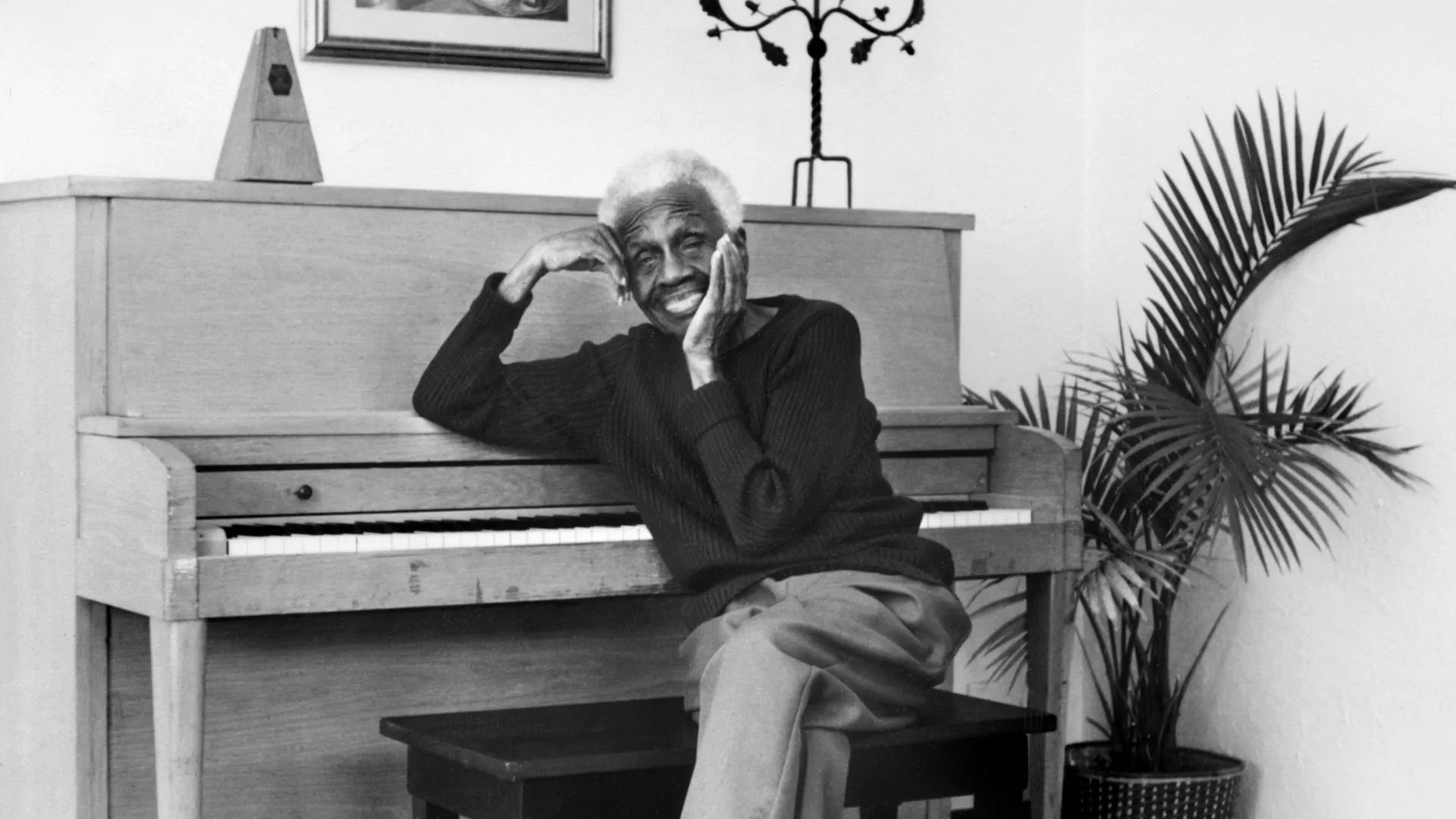
- The home of Ruth Ellis, a house crucial to Detroit's LGBTQ+ history, became a vacant lot 50 years ago and lacks any reminder of that past, Axios Detroit's Annalise Frank reports.
- Her home was the primary safe hangout in the city in the 1940s–'60s for Black gays and lesbians.
- In San Francisco, a place that prides itself on preservation, the iconic Castro Theatre is facing renovation that some activists feel will destroy its history.
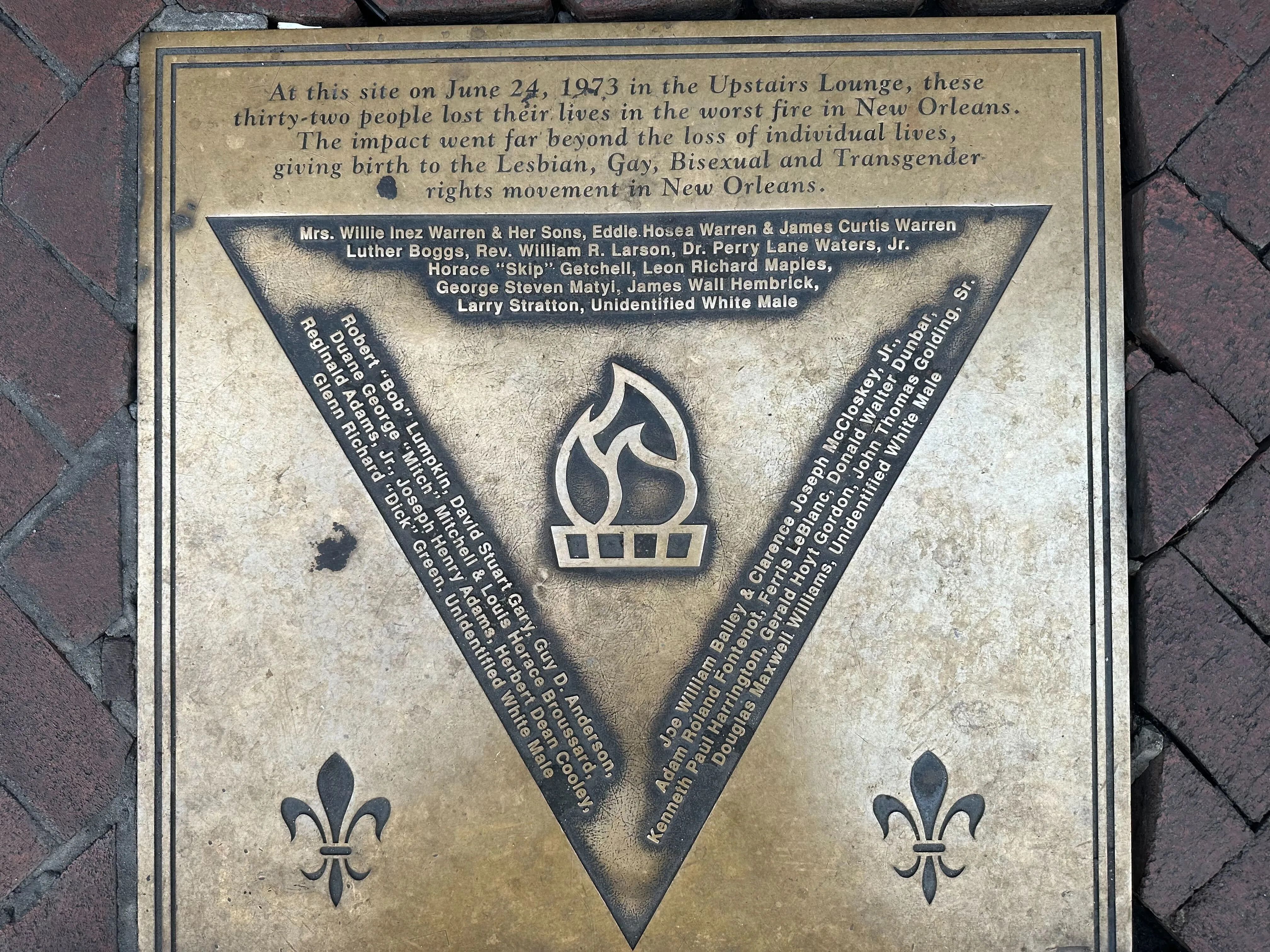
New Orleans recently commemorated the 50th anniversary of the Up Stairs Lounge fire, an intentional blaze that killed 32 people in what was then the deadliest attack on U.S. soil against LGBTQ+ people, Axios New Orleans reporter Carlie Kollath Wells writes.
- The city in 2013 embedded a memorial along a sidewalk with the names of the victims.
- No arrests were ever made.
The bottom line: "It's important to have these sites recognized so that the LGBTQ community can see themselves represented in history and that everyone can see a history being told seriously," Davis said.
Go deeper:
