Judge tosses Iowa tax-sale lawsuit

Add Axios as your preferred source to
see more of our stories on Google.

Illustration: Sarah Grillo/Axios
A Fayette County judge has dismissed an Iowa homeowner's lawsuit challenging the state's tax-sale system.
Why it matters: The ruling is a setback for Alan Woods, whose case argued Iowa's tax-sale laws violate the U.S. and Iowa constitutions by allowing investors to take equity exceeding taxes, interest and costs owed.
Context: Iowa counties sell unpaid property taxes at annual tax sales, issuing investors interest-bearing certificates.
- If the owner does not pay within one year and nine months after the sale, the investor can begin a 90-day process to obtain a tax deed.
Catch up quick: Woods, 60, has lived in his Maynard home for more than 35 years and owed just over $2,441 in property taxes.
- Equity Trust of Ohio bought the tax-sale certificate in 2022, and last year it received the deed to his home, assessed at nearly $37,500.
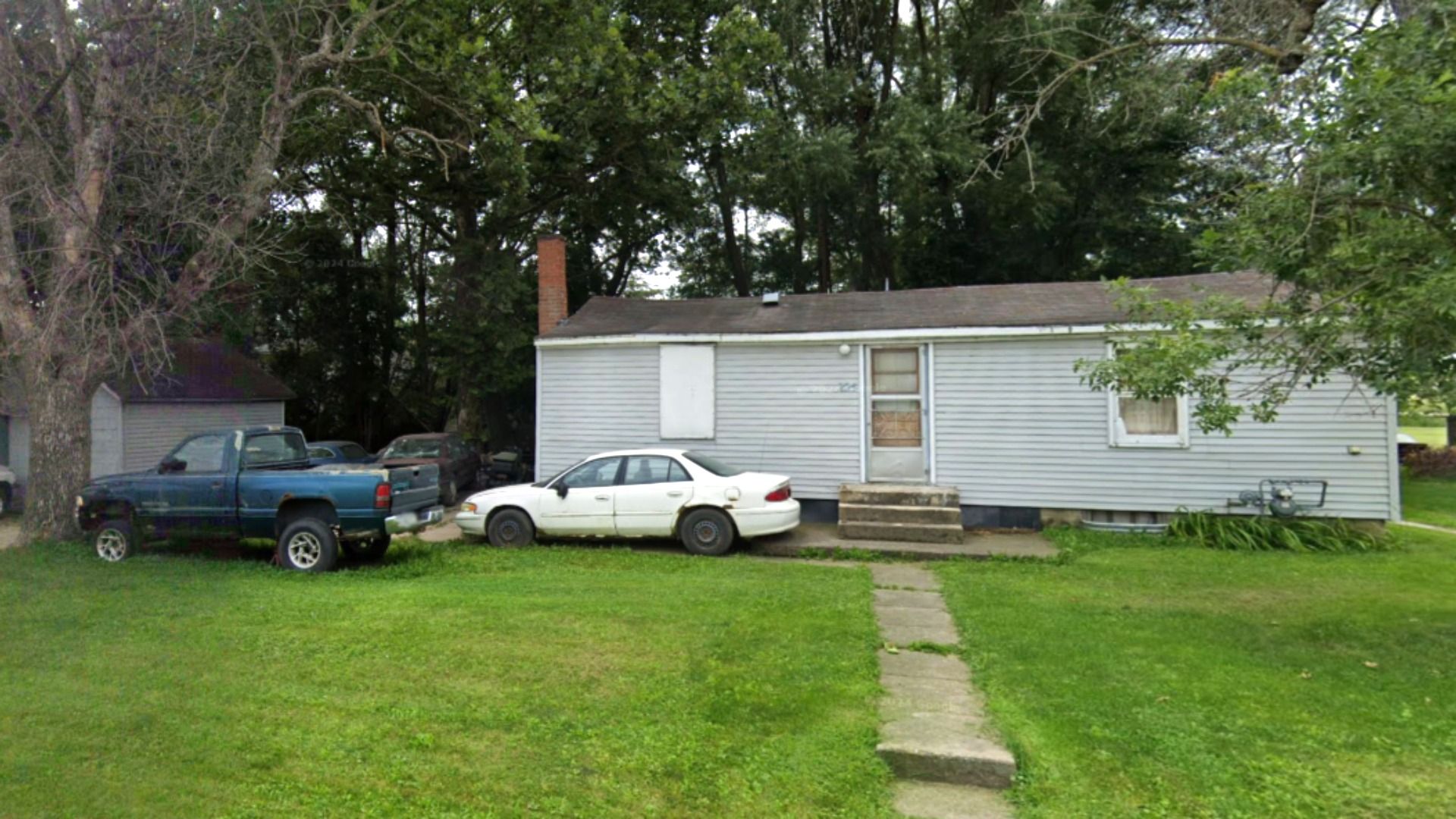
State of play: District Judge John Sullivan ruled that Equity Trust complied with Iowa's tax-sale procedures and obtained a valid tax deed.
- Any constitutional challenge to Woods' property interest should be directed to Iowa's statutory tax-sale framework, not the private purchaser, Sullivan ruled.
Between the lines: A bigger case could be in the works if Woods appeals and a higher court takes up the question of whether Iowa's tax-sale system must compensate owners for equity beyond unpaid taxes.
- The U.S. Supreme Court ruled in 2023 that a Minnesota county could not keep surplus proceeds beyond the tax debt after selling a condo for unpaid taxes.
- The Nebraska Supreme Court later applied that reasoning to cases involving private tax-sale investors.
What's next: Woods is fighting Equity Trust's efforts to evict him.
What we're watching: Whether Iowa lawmakers revisit the issue next session.
- Senate File 2313 would have established a sheriff's sale process for tax-sale certificates and distributing "overplus" proceeds after a sale, addressing Woods' case, but it didn't make it through this session's legislative process.
