Why rebuilding trust in science matters more than ever
A message from: Bayer
Scientific breakthroughs don't just advance knowledge — they create the tools, treatments and technologies that move society forward.
The challenge: Misinformation is breaking the link between science and progress.
A new Harris Poll, sponsored by Bayer, reveals a paradox shaping American life. Misinformation isn't just spreading, it's reshaping how Americans perceive science.
- 80% say false or misleading information about science and health is a major issue, and they overwhelmingly point to social media as the culprit. Yet those same platforms remain the top source people turn to for science news, creating a loop where speed often beats substance.
Part of the issue is time. In a world of endless scroll, few people pause to dig deeper.
- 75% of Americans admit they've shared science-related articles based on the headline alone, a symptom of a "headline-only" culture where attention spans are short and nuance gets lost.
The impact: 71% say online content creators are contributing to misleading content, while trust in traditional experts is beginning to fray. Nearly 1 in 5 Americans now say they distrust doctors, a striking shift for professions long seen as credible.
- The shift is especially pronounced among younger audiences, who increasingly rely on social media as their first stop for health information, navigating a feed where credible science and misinformation often look the same.
Here's the deal: When science is rigorous, innovation follows. And when innovation delivers real results, trust can grow. That cycle has powered some of the most important advances in modern life, from life-saving therapies to more resilient food systems.
Across industries, breakthroughs show how rigorous science leads directly to real-world impact:
🧬 In medicine and human health
- Cell therapies for Parkinson's disease are advancing into late-stage trials, with early data showing sustained cell function.
- Engineered organ transplants, including genetically modified kidneys, are moving closer to reality, with the potential to dramatically reduce organ shortages and save thousands of lives.
🧠 In AI and technology
- AI platforms can now screen billions of compounds in seconds, compressing months of research and accelerating how quickly new drugs can be discovered and tested.
- Digital health platforms are enabling real-time monitoring and clinical decision support, helping health care systems personalize care at scale.
🌱 In agriculture and sustainability
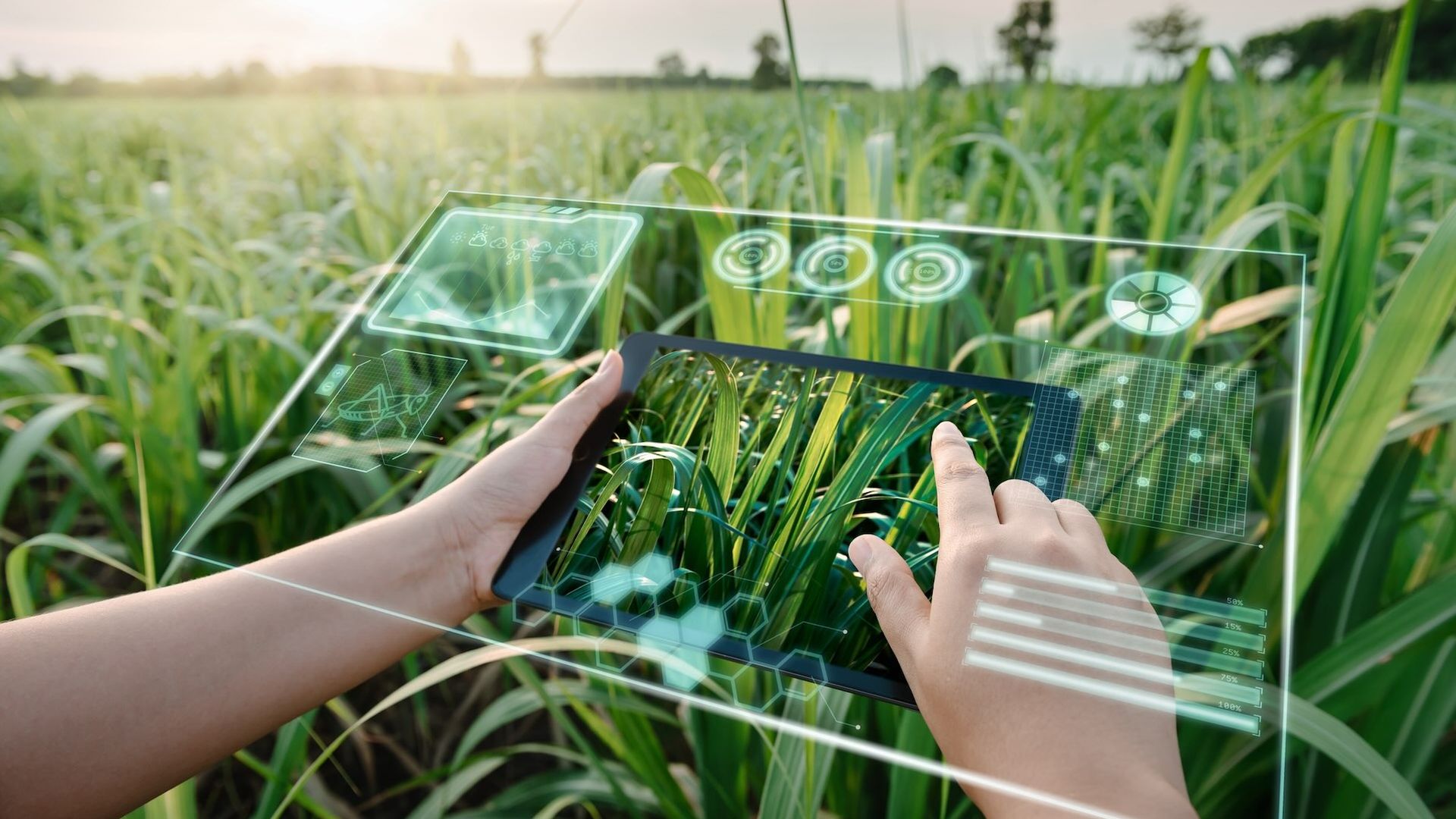
- Gene editing is creating crops that can withstand climate stress, improving yields and strengthening food security in a changing environment.
- Microbial innovations are removing carbon through soil-based solutions, turning agriculture into part of the climate solution, not just the challenge.
Next steps: What is one way people can begin reconnecting to science?
Bayer's "Science Delivers" campaign is designed to do exactly that — not just highlight outcomes but rebuild an understanding of how science positively impacts people's lives.
The strategy: Make science visible and participatory.
- Visitors on sciencedelivers.com can share how science has impacted their lives or inspired them. Stories then published on the site highlight how science drives change, hope and progress.
The takeaway: Scientific rigor drives innovation — and innovation proves its value. But trust is what connects the two. Rebuilding that trust means showing how science works, highlighting what it delivers and inviting people to be part of the story, so scientific innovation can thrive.