The innovative technology bringing lower carbon solutions to transportation fuels
A message from: Chevron
Renewable fuels have the potential to help reduce the lifecycle carbon emissions of the transportation industry at scale and help advance a lower carbon future.
Why it's important: Transportation is the biggest contributor to U.S. greenhouse gas emissions. It averages 28% of total CO2 emissions each year.
- Consider the billions of packages delivered in one year. Imagine how many ships, trucks and drivers that takes — and that's just one element of the transportation sector.
What you need to know: Chevron is helping to expand lower carbon solutions for transportation by working to develop innovative technologies that help produce a range of viable renewable fuels as both drop-ins and full substitutions for existing fuels.
- "There is no one-size-fits-all solution for transportation," said Andy Walz, president of Chevron Americas Products. "Multiple energy solutions are needed to meet the world's growing demand."
Chevron is innovating to accelerate the growth in lower carbon intensity fuel alternatives, including renewable gasoline blends, renewable diesel, biodiesel, compressed natural gas and more.
- This involves advancing new catalytic technologies, partnering with agriculture to develop biofeedstocks, and leveraging fuel production expertise at its existing refineries and facilities.
- The goal: To create affordable, reliable, ever-cleaner energy options that'll help meet the growing demand for fuel — and make meaningful progress.
🚗 Renewable gasoline blends
Renewable gasoline blends (RGB) are drop-in fuels that are designed to be compatible with cars on the road right now. That means drivers could fuel their current vehicles in a familiar way while supporting a lower carbon future.
- While RGB doesn't fuel cars today, the work is in progress to make that a reality.
Key numbers: 57% of road greenhouse gas emissions come from cars, pickups and SUVs, and more than 95% of passenger vehicles in the U.S. are powered by gasoline.
A solution: A lower carbon future depends on someday providing drivers with more lower carbon solutions.
How it's done: Chevron uses advanced technological methods of combining renewable and traditional blendstocks.
- Chevron Renewable Energy Group sources agriculture- and waste-based feedstocks from more than 100 different suppliers. Chevron is also innovating and collaborating with these partners to develop novel biofeedstocks that yield larger volumes of oils for renewable fuels.
The result: Chevron's renewable gasoline blend can reduce lifecycle CO2 emissions by more than 40% compared to traditional gasoline.
- "With more than 265 million gasoline-powered vehicles on the road in the United States, renewable gasoline blends could empower more drivers to have more lower carbon choices," Walz said.
Chevron believes that advancing public policies which enable renewable gasoline blend's production could be one way to help reduce the lifecycle greenhouse gas emissions of vehicles on the road today.

🚚 Renewable diesel
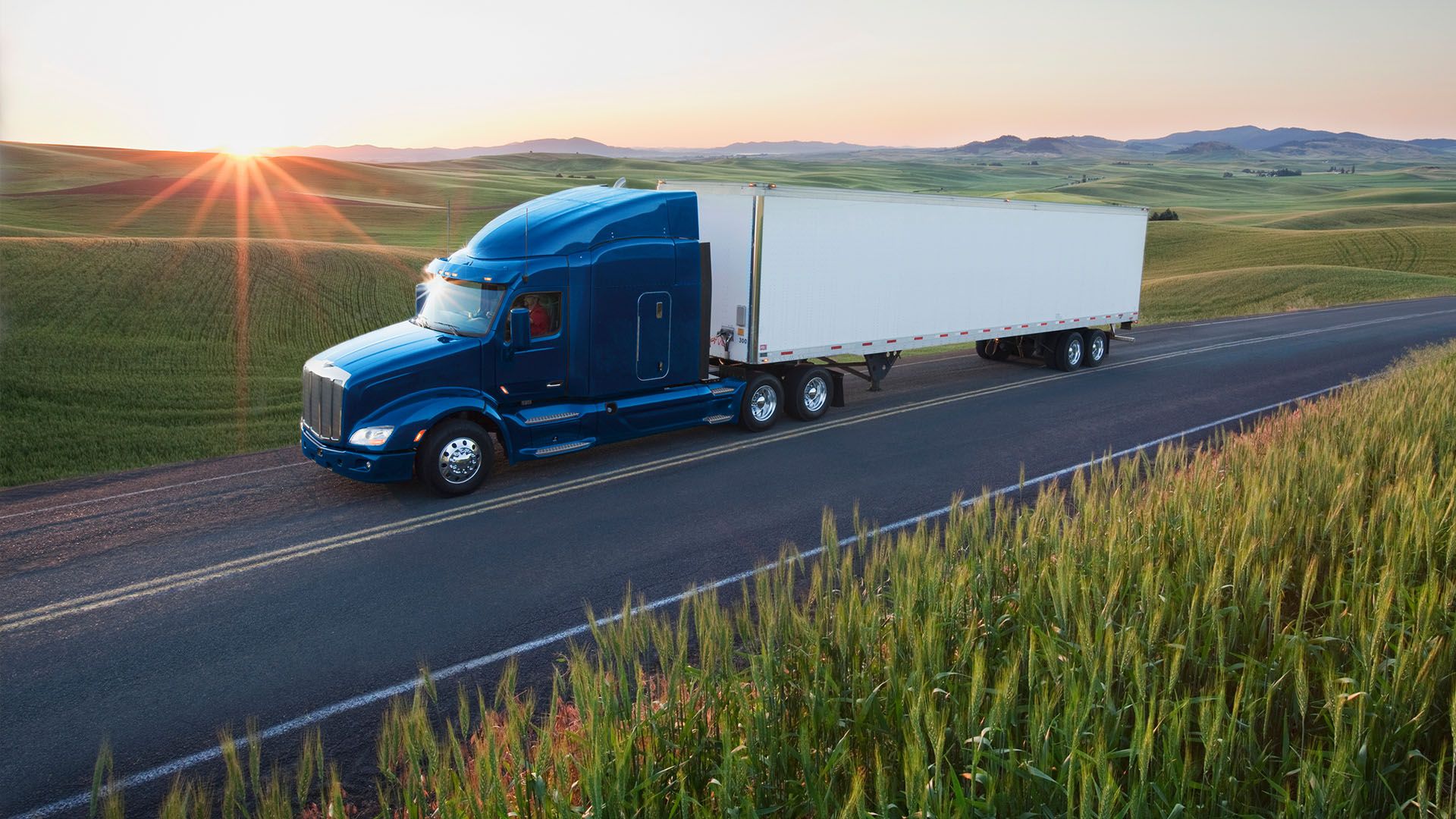
Renewable diesel can help lower the carbon intensity of the medium- and heavy-duty transportation industries.
- On average, renewable diesel can reduce lifecycle carbon emissions of the transportation industry by 50% relative to petroleum diesel.
How it's done: Renewable diesel is sourced from multiple biofeedstocks — including soybean oil, canola oil, used cooking oils and animal fats.
- It works just like petroleum diesel, making it a drop-in fuel compatible with trucks on the road today. No new engines or infrastructure are needed.
- With advanced technology like those used in Chevron's Geismar renewable diesel production facility in southern Louisiana, it can be blended and transported with petroleum diesel for use in heavy-duty equipment like garbage trucks, long-haul semi-trucks and trains.
- It can be transported using existing infrastructure like pipelines, terminals and fueling stations.
In other words: "Renewable diesel is a way for us to make an impact right away," said Meir Hasbani, Chevron's biofuels program manager.
🚛 Compressed natural gas
Compressed natural gas (CNG) is increasingly available, commercially proven lower carbon alternative to gasoline and diesel.
Compared to conventional diesel, CNG has several advantages, including lower:
- Carbon intensity based on reduced lifecycle carbon emissions across its production lifecycle.
- Engine emissions of nitrogen oxides and particulate matter.
How it's done: CNG is generated by compressing natural gas (methane) down to less than 1% of its volume.
- Traditionally, natural gas has been extracted from fossil sources, but more recently, some is being produced from renewable sources — like cow manure. This variety is called renewable natural gas.
- After removing any solids from cow manure, the substance goes into a digester, which captures, extracts and cleans the methane.
- The methane is processed to pipeline spec, then injected into existing pipeline systems across the U.S.
The result: Chevron already has over two dozen CNG stations in California, making the fuel available to heavy transportation operators, like truckers.
- Chevron also teamed up with Cummins and Walmart on a road-trip demonstration. A Walmart fleet truck outfitted with a Cummins CNG engine fueled up at Chevron CNG stations from Indiana to Arkansas to California.
- Chevron's goal is to leverage this technology and open more than 30 CNG stations in California by 2025.
The takeaway: Many lower carbon energy solutions, enabled to scale through innovative technologies and well-designed government policies, are needed to continue to develop next-gen fuel long into the future.
- Chevron is investing in technologies and collaborating with partners and policymakers to make these solutions more reliable, accessible and affordable to consumers.