Self-care is the first line of action for all healthcare — here's why

A message from: Bayer
Bayer
As healthcare systems face growing pressure from aging populations, chronic diseases, workforce shortages and unequal access to care, self-care is increasingly being recognized as a potential solution.
What this means: When it's effectively integrated into health systems, self-care can:
- Improve health outcomes.
- Strengthen prevention and early intervention.
- Enhance patient agency and engagement.
- Expand access to healthcare services.
- Reduce pressure on overstretched health systems.
The story: New research from Economist Enterprise and supported by Bayer highlights the potential of self-care to play a more crucial role in modern health systems.
- The "Making self-care work: integrating self-care into health systems" report found that self-care works best in tandem with formal health systems with reliable information, affordable access and clear referral pathways.
Plus: There's a financial upside. Self-care practices can deliver approximately $179 billion in annual economic benefits, while helping countries move towards universal health coverage.
- Currently, self-care practices save health systems approximately $144 billion, a figure projected to grow to $218 billion by 2040, equivalent to the entire health budget of a country like Germany.
- In the US alone, every dollar spent on OTC medicines saves the U.S. healthcare system approximately $7.33.
Okay, but: Self-care is a pretty broad term — what does it really mean? Defined broadly by the WHO as the ability of individuals, families and communities to manage health and wellbeing, self-care spans a wide spectrum, including:
- Everyday health behaviors.
- Preventive practices.
- Digital tools.
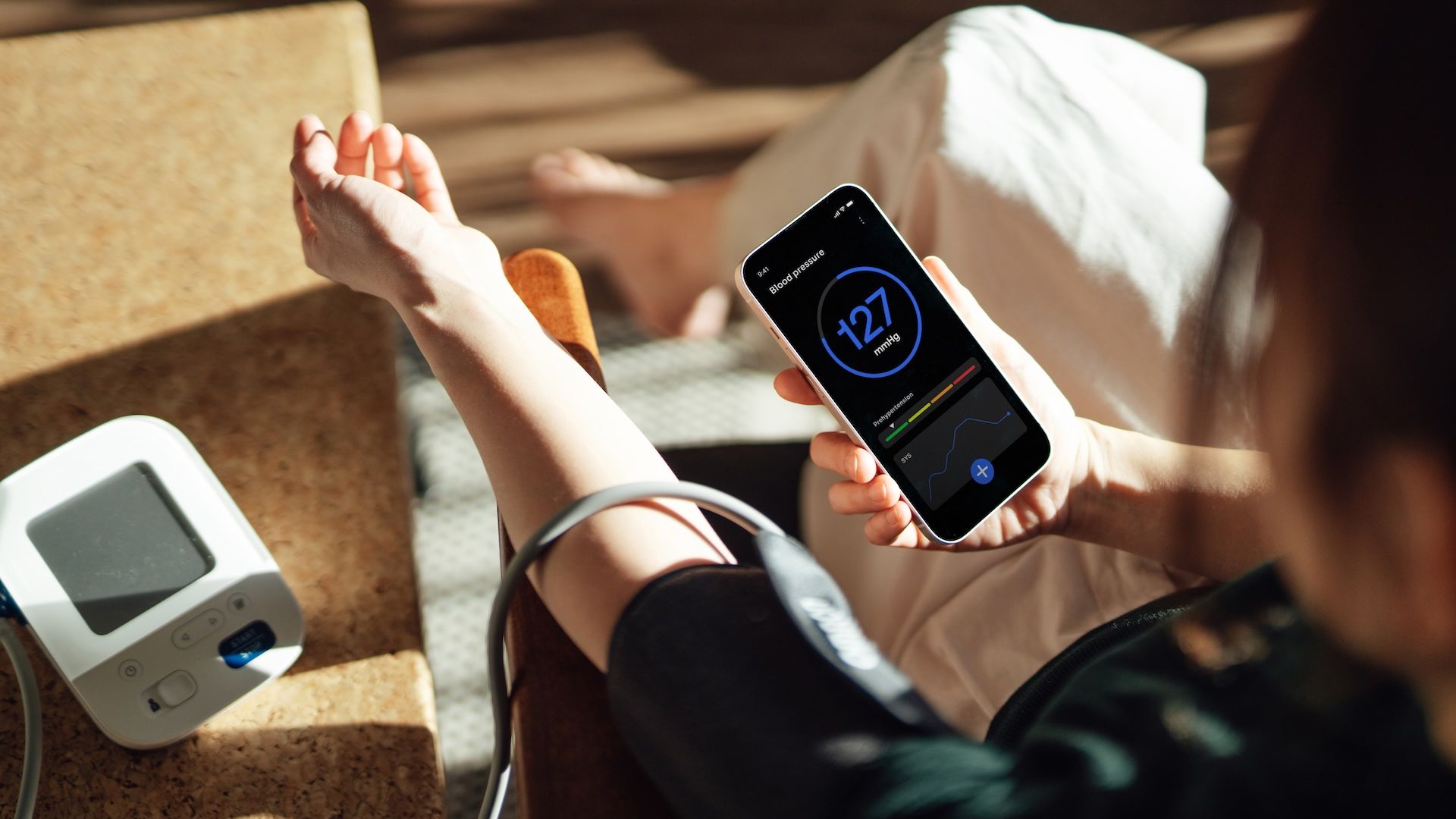
- Self-monitoring.
- Use of over-the-counter medicines, including vitamins, pain relief options, digestive wellness and seasonal solutions for allergy and cough and cold.
An expert take: Self-care solutions are fundamental to filling global healthcare gaps, according to Trevor Thrun, Bayer's President, Consumer Health, U.S.
- "Self-care is often the first place people turn when they are managing their everyday health – and it can help bridge important gaps in the healthcare system," says Trevor Thrun, President of Bayer's Consumer Health business in the U.S. "As Bayer, our responsibility is to provide safe, accessible, science-backed solutions that empower consumers to take greater ownership of their health and make informed decisions for themselves and their families."
The outlook: Effective self-care depends on, trusted support and accountability.
🫂 Expand access through trusted and equitable support.
- Over-the-counter medicines or self care strategies are sometimes the only — or one of limited options — for people living in rural care deserts.
- Affordable products and services, reliable information, appropriate financing mechanisms and culturally relevant support systems are essential to ensure self-care improves access without widening existing health inequalities.
📈 Strengthen evidence, measurement and accountability.
- As self-care becomes more common across homes, pharmacies and digital platforms, health systems will need stronger ways to measure outcomes, monitor safety and generate evidence to guide future policy and investment decisions.
The proof: Research indicates that self-care can lead to a 20-30% reduction in healthcare utilization.
- Individuals who engage in self-care are less likely to seek medical attention for minor ailments.
- It can also improve adherence to treatment plans for chronic conditions, leading to a 50% improvement in health outcomes, according to a study published in The Journal of Clinical Psychology.
Some examples: It's working — other countries are already demonstrating how self-care can be embedded within broader healthcare delivery systems.
- Germany uses "green prescriptions," enabling doctors to formally recommend over-the-counter medicines as part of guided self-treatment.
- In Indonesia, the GERMAS movement promotes healthy living, hygiene and responsible medicine use across schools, workplaces and communities.
Take note: Self-care does not seek to shift responsibility away from health systems.
- It works best as part of a supported path through health systems, rather than as a substitute for them.
The takeaway: Self-care has fully emerged as a promising avenue for people and health systems.
- With stronger governance, financing, accountability and support systems, self-care can become a cost-effective and complementary entry point into more preventive and proactive health systems.