Preventive care for women rises worldwide, but screening gap remains
A message from: Hologic
Preventive screening for women's health is gaining ground worldwide — yet the latest Hologic Global Women's Health Index shows that a major disparity remains: 1.5 billion women have not received essential screenings for cancer, high blood pressure or diabetes.
Here's the deal: Testing has reached a 5-year high, but just over half of the world's adult female population remains outside the preventive care system entirely.
- Developed in partnership with Gallup, the Index is one of the most comprehensive, nonpartisan data sets on women's lived health experiences. This is the fifth edition of the report.
- It's based on interviews with 145,000 women and girls, and men and boys aged 15 or older across 144 countries and territories annually. Men and boys are included to help identify gender gaps.
- Because the Index tracks the same measures year after year, it provides not only snapshots — but trendlines.
The question for global health leaders is straightforward: How do we close this screening gap and make preventive care a foundational pillar of women's health strategies worldwide?
Why it's important: Screening and early detection are the starting point for generational health. When routine tests are missed, preventable conditions progress silently, becoming more advanced, more costly and more dangerous for individuals and health systems.
Access to care remains uneven and, in many regions, insufficient. Without consistent preventive touchpoints, long-term improvement in women's health will remain fragile.
- An estimated 1 billion women still struggle to afford the basics, with nearly 4 in 10 women unable to afford food, and almost 1 in 3 struggling to afford housing.
Key numbers
Data from Year 5 of the Index reveals both forward momentum and stubborn gaps.
The positives:
- Approximately 70 million more women are receiving these potentially life-saving tests compared to Year 4.
- More women report being tested for high blood pressure than at any point since Year 1. 39% of women say they have been tested in the past 12 months.
- Diabetes screening has risen to 24%, the highest percentage in the Index's history.
- Cancer screening has rebounded to 13%, meaning approximately 60 million more women are testing — driven by women 40 and older.
The negatives:
- A record-high 67% of women say they feel safe walking alone at night in their communities. But an estimated 1 billion women still report feeling unsafe.
- More women report feeling worried (42%) and sad (28%) today than in Year 1, underscoring a rise in negative emotional experiences over time.
- A third of women experience daily physical pain, and nearly 1 in 4 report health problems serious enough to interfere with activities.
- STI testing is the only area of preventive care that has not improved in Year 5. 10% of women report being tested for an STI — no change since Year 1.
Looking ahead: Meaningful change will require sustained global commitment and coordinated action.
According to Dr. Mia Keeys, director, Global Health and Innovation, Hologic, the data presents an opportunity to refocus global health efforts around prevention and equity.
Keeys outlines three priorities:
- Re-center women and girls in decision-making. Women should help shape health policies, funding priorities and research agendas. Their lived experiences must inform system design.
- Invest in research and data solutions. Expanding high-quality databases and scaling evidence-based programs will improve access to preventive care worldwide. Sustained public and private investment is essential.
- Address structural barriers. Poverty, systemic inequity, stigma and limited health literacy continue to shape outcomes. Closing the screening gap requires confronting these root causes directly.
The women behind the data
Every data point in this report represents a real woman and her lived experience.
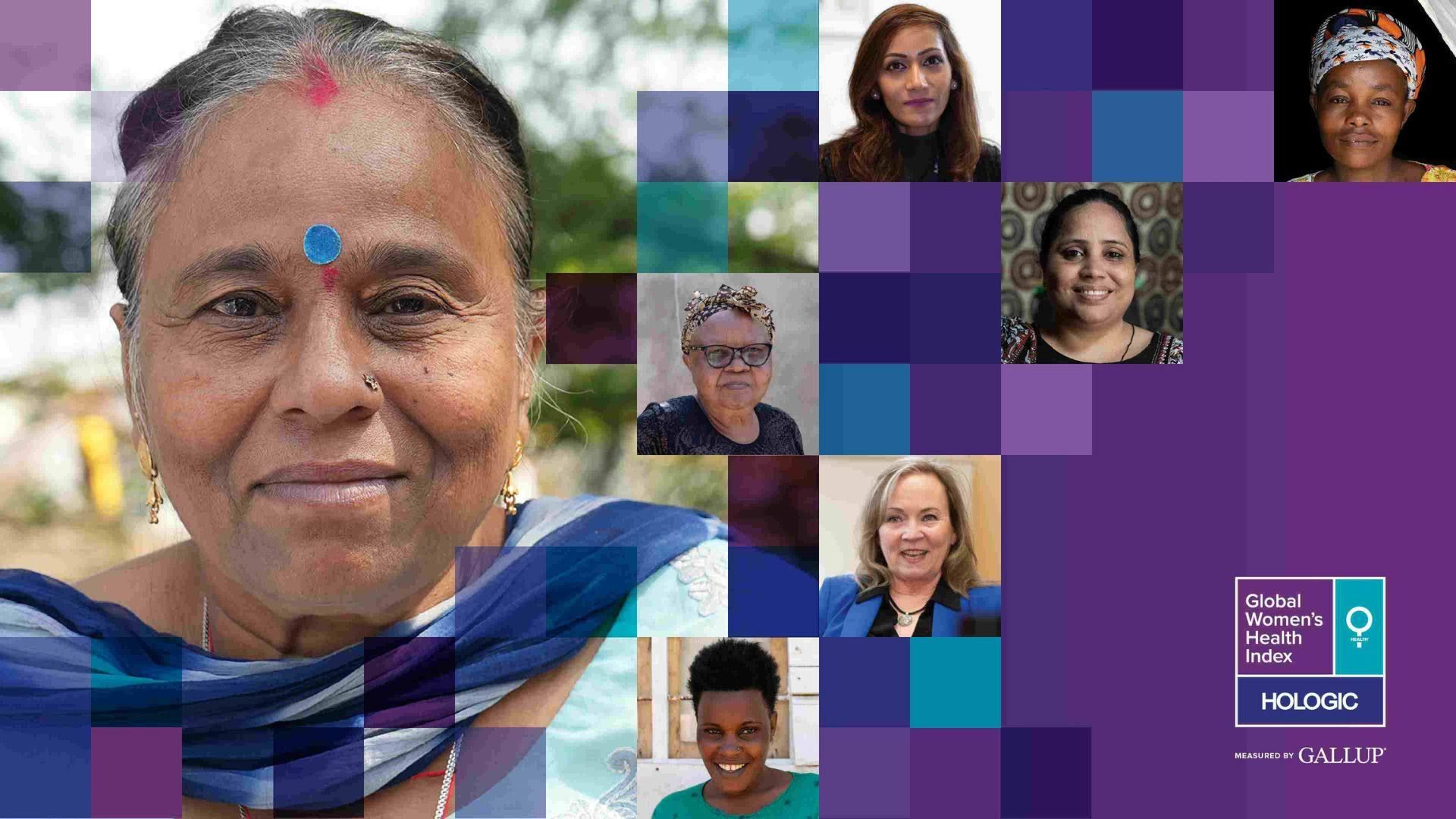
Keeys shared the experience of Champa Devi, a mother in India who depends on her local clinic to stay healthy and support her family.
- "If I am healthy, I can go anywhere, do anything, take care of anyone," Devi said. "If there is no place to go and if the health is not good, then we will not be able to do anything."
The Index is rooted in voices like Devi's. Access to preventive care determines whether women can work, care for families and participate fully in their communities.
- Re-centering women in global health conversations is strategic — and closing the screening gap begins with listening to them.
Next steps: Closing gaps in women's health will require sustained global commitment to prevention.
- That means investing in data-driven solutions, advancing research focused on women's health, addressing structural barriers and expanding access to screening and early detection across the lifespan.
- Progress also depends on ensuring women are represented in shaping the policies, funding priorities and research agendas designed to serve them.
The Index offers a roadmap. Acting on it will determine whether momentum translates into generational change.