New tool combines data and policy to help protect housing affordability

A message from: JPMorganChase
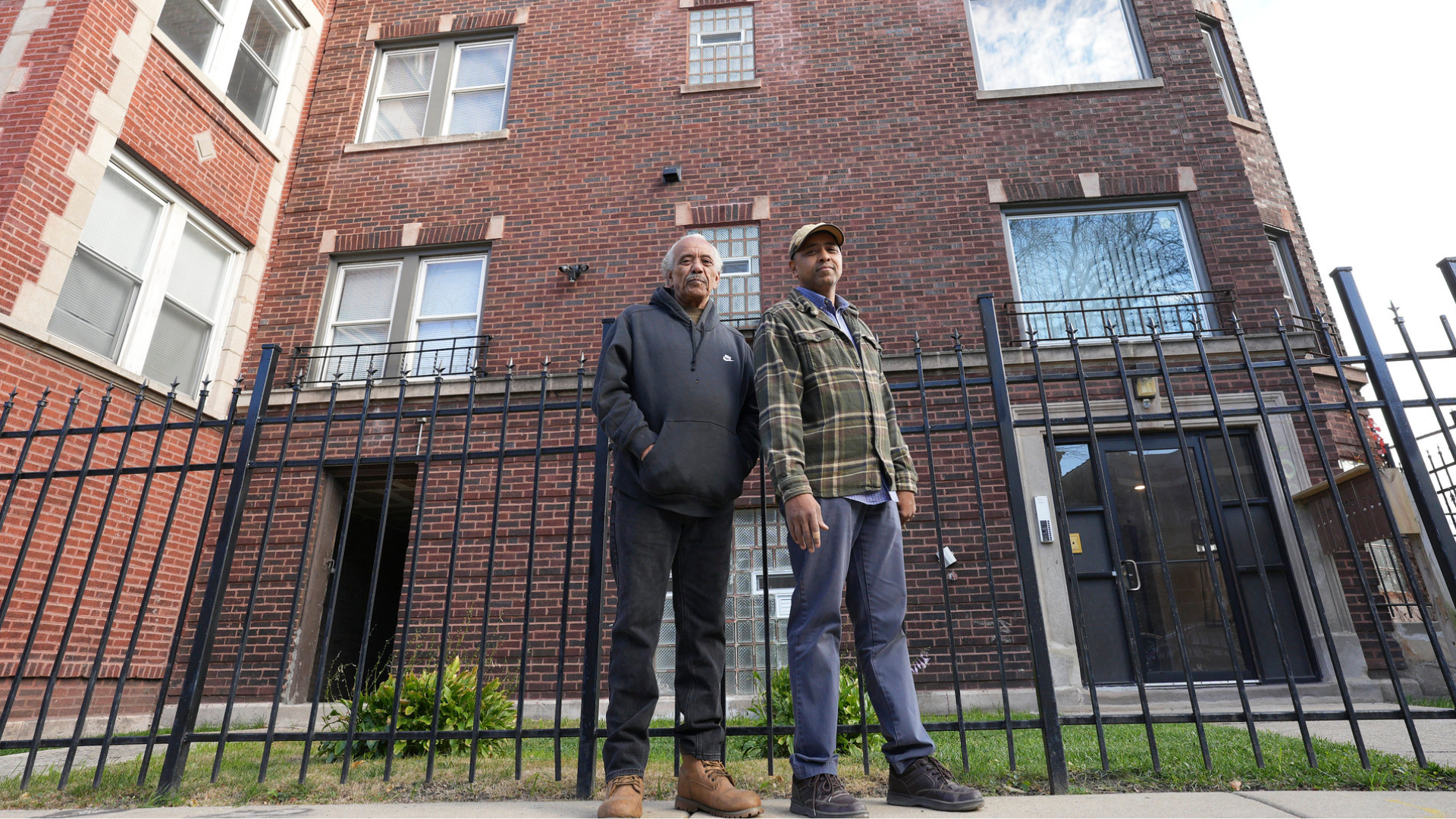
Naturally Occurring Affordable Housing (NOAH) makes up 70% of the nation's affordable rental market.
🔑 Why it's important: NOAH refers to typically older, privately-owned buildings that remain affordable without government subsidies. Preserving and rehabilitating these existing units is crucial as housing costs rise nationwide.
- Chicago, in particular, has seen home prices grow 40% faster than average incomes over the past 30 years. Additionally, the city is short an estimated 142,000 homes.
The benefits: Preserving NOAH is generally more cost effective than constructing new affordable housing units. In Chicago, for example, rehabilitation costs an estimated 80% less than new construction.
- Preserving this existing housing is oftentimes more environmentally friendly and helps maintain the historic integrity of neighborhoods.
🚧 Okay, but: NOAH preservation efforts face several hurdles, including:
- Aging properties can require significant investment.
- Unpredictable costs, like property tax increases, insurance hikes and rising maintenance expenses, can lead to challenging operating margins — and ultimately property loss.
- Different markets and buildings require different preservation strategies.
🏠 A new approach: The Community Investment Corporation (CIC) created a national online resource called Preserve NOAH.
- CIC has helped support neighborhood revitalization efforts across Chicago for 50+ years with NOAH preservation central to its mission.
- Preserve NOAH integrates data analysis with policy tools to help practitioners and policymakers around the U.S. explore successful preservation strategies based on their city's unique characteristics.
📊 How it was created: The site showcases research conducted by CIC's Preservation Compact and the Institute for Housing Studies at DePaul University.
- The analysis examines different factors that influence housing affordability across the U.S., breaking down the differences and similarities between communities.
- Six rental market types (or clusters) emerged from across the 50 largest U.S. metropolitan areas. These clusters are based on factors like renter concentration, demographics, housing stock and development patterns.
- This analysis, combined with interviews of stakeholders from cities representing different market contexts, helped create Preserve NOAH.
🏙️ An example: Most NOAH in Chicago is located in Cluster 1. Looking at low- to moderate-income renters in Cluster 1 (these are the renters most impacted by NOAH supply), you can begin to better understand the rental patterns in this market, like:
- There's a high concentration of renters.
- Disinvestment is a key affordability challenge.
- New development is limited.
Going deeper, you can see what programs are active in Cluster 1, like the Community Investment Corporation's Multifamily Loan Pool in Chicago, and details on building type, target tenants, affordability restrictions, funding and more.
🏦 Take note: In each cluster, you'll notice which financing tools are effective for preserving unsubsidized rental housing to meet market needs.
- For example, JPMorganChase has supported CIC through targeted lending activities in Chicago's South Side through the Woodlawn Construction Loan Fund and Line of Credit. The fund is providing low-cost financing to developers for acquiring and rehabbing housing.
The takeaway: NOAH preservation is an important component to embedding housing affordability (or housing supply that is affordable) in Chicago and in communities across the U.S. With the right strategies tailored locally — and the right funding — NOAH can help keep people housed.
📍Learn more about reimagining the future of American communities.