Inside the Denver restaurant recognized for sustainable dining

A message from: JPMorganChase
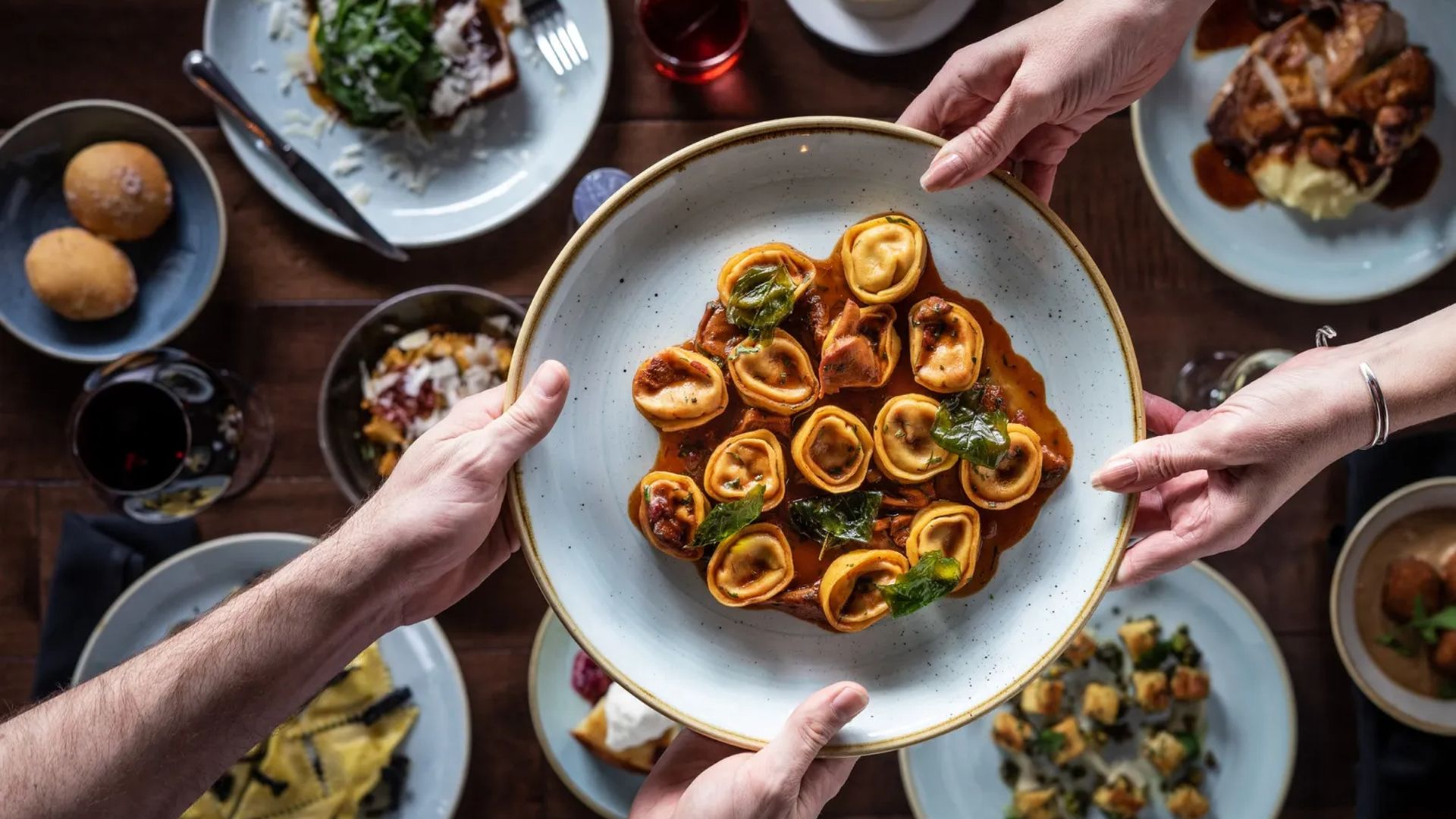
Denver's dining scene is no stranger to national recognition. One of the latest examples: Restaurant Olivia.
Get up to date: The Michelin-recommended, pasta-centric eatery in Washington Park was named one of 40 recipients of the Independent Restaurant Coalition (IRC) and Chase Innovator Awards.
- The award celebrates independent restaurants and bars across the country dedicated to advancing sustainability, workforce well-being and community impact. Each recipient received a $25,000 grant to help them build on these positive practices.
The background: The Innovator Awards are part of a multi-year partnership between the IRC and Chase, which also includes the $3 million IRC and Chase Disaster Relief Fund.
- To date, the programs have awarded $4 million in grants to independent restaurants and bars, with an additional $2 million pledged for disaster relief in 2026.
Why it's important: Restaurant Olivia was recognized, in part, for its sustainability efforts. For independent restaurants, sustainability can be difficult to prioritize amid the daily demands of running a business.
- But restaurants that embed sustainability into everyday operations can reduce waste, improve efficiency and support stronger communities — while creating better dining experiences.
- Plus, plus, plus: Independent restaurants and small businesses have a unique opportunity to lead by example, showing that sustainability can be practical, beneficial for their operations and good for the planet.
🍽️ The details: Restaurant Olivia, a 2026 James Beard Award Semifinalist for Outstanding Hospitality, focuses on thoughtful sourcing and careful use of ingredients, regularly rotating its menu to highlight seasonal ingredients and sustainable purveyors.
- The restaurant is led by executive chef and co-owner Ty Leon, hospitality director and co-owner Heather Morrison, and beverage director and co-owner Austin Carson.
How it's done: Olivia's sustainability work shows up across the menu and behind the scenes.
- The menu features handmade pasta made fresh daily. One of its classics, the French onion ravioli, uses broth made from vegetable trim, giving new life to ingredients that might otherwise go unused.
- The beverage program also incorporates kitchen byproducts, including in cocktails like the Ginger Dark & Stormy, made with house-made citrus trim miso and house-fermented ginger beer.
In 2025, Paula Thomas joined the team as director of sustainability. Thomas, who has more than 20 years of experience in food, sustainability and food preservation, is guiding the next phase of Olivia's sustainability practices.
- "The way I think of sustainability is about responsibility," says Thomas. "If we are responsible for the way we operate as a business, and as humans, then we can build a system that can self-sustain instead of self-destruct."
The impact: Thomas is focused on reducing waste, improving energy efficiency and strengthening local sourcing practices at Olivia. Key initiatives have included:
- Ensuring all materials — whether compostable, recyclable or reusable — are carefully sorted and diverted from landfills. In 2024, Restaurant Olivia's compost diversion program, in collaboration with Scraps, diverted more than 7,577 pounds of compostables from landfills.
- Reducing packaging waste by working with local suppliers who prioritize reusable and repurposed materials.
- Conducting an energy efficiency study, which guided upgrades to lighting, heating and cooling systems to lower the restaurant's carbon footprint.
Here's what else: In the community, Thomas also hosts educational events, supports environmental organizations and fosters partnerships with local waste management programs.
Looking ahead: The group recently opened Dear Emilia, a second concept that builds on the proven sustainable practices from Restaurant Olivia.
- The kitchen incorporates byproducts such as trims and surplus ingredients into vinegars, ferments and preserves used throughout the menu — an approach rooted in traditional techniques and aimed at reducing waste.
The takeaway: Olivia's recognition shows how independent restaurants can turn sustainability from an abstract goal into a practical operating strategy.
- For diners, that means more opportunities to support restaurants that prioritize thoughtful sourcing, waste reduction and community-minded practices.
- For restaurant owners and operators, Olivia offers a model that can be adapted to fit their own kitchens, teams and neighborhoods.