Inside Samsung's cultural partnership with the Smithsonian

A message from: Samsung
Smithsonian Institution
Yoonie Joung, president and CEO of Samsung Electronics North America, dives into Samsung's cultural partnership with the Smithsonian that combines art and tech.
Plus: The significance of late Samsung Chairman Lee Kun-Hee's art collection coming to the Smithsonian Institution's National Museum of Asian Art (NMAA).
1. First things first: Why is Samsung's partnership with the Smithsonian significant?
Joung: This partnership represents a set of shared values that bridge together art, culture and innovation. At Samsung, we believe that technology, much like art, is driven by bold creativity and refined craftsmanship — a desire to make something that is both innovative and lasting.
- Supporting the Korean Treasures exhibition at the Smithsonian's National Museum of Asian Art is part of our longstanding commitment to the U.S. market, built over decades.
It allows us to share Korea's artistic heritage with American audiences, while underscoring the spirit of creativity that inspires both artists and innovators alike.
2. What's in store: Korean entertainment is booming across pop culture right now. How does this exhibition connect to the new interest we're seeing?
Joung: For many Americans, their first touchpoint with Korean culture has been contemporary music and entertainment, from K-pop to K-dramas streamed on their phones.
- This exhibition offers a chance to go deeper, connecting that modern wave of interest to centuries of Korean artistry that continues to inspire how people create, perform and tell stories today.
Creativity and innovation are timeless; it's amazing to trace how each generation uses (and evolves) the tools and technology of their time to bring meaning to the human experience and influence the world around them.
3. The background: What role did the Lee family play in curating and bringing this collection to D.C.?
Joung: The Lee family's vision and generosity are at the heart of this moment.
- Much of the collection was assembled by our late Chairman Lee Kun-Hee, whose lifelong passion for Korean art helped preserve some of the nation's most important cultural treasures.
By sharing this collection with the Smithsonian and the American public for the first time, the family is continuing that legacy of stewardship by safeguarding history and facilitating a cultural dialogue that transcends borders.
It's a powerful reminder that innovation and creativity run deep in Samsung's DNA.
4. On the other hand: Why is a technology company like Samsung thinking about art?
Joung: Art and technology might seem like different worlds, but they share a common foundation: curiosity, craft and a drive to connect people through ideas.
- At Samsung, we see creativity as the starting point for everything we do, from product design to supporting the next generation of innovators.
Throughout history, Samsung has always challenged conventions and disrupted the status quo — take for example, the Frame TV, which revolutionized the intersection of home entertainment and décor, while quite literally bridging the worlds of art and tech; or our Galaxy foldable devices, which have shifted the expectations of the traditional mobile form factors.
5. The highlights: What can visitors expect to see and experience in the exhibition?
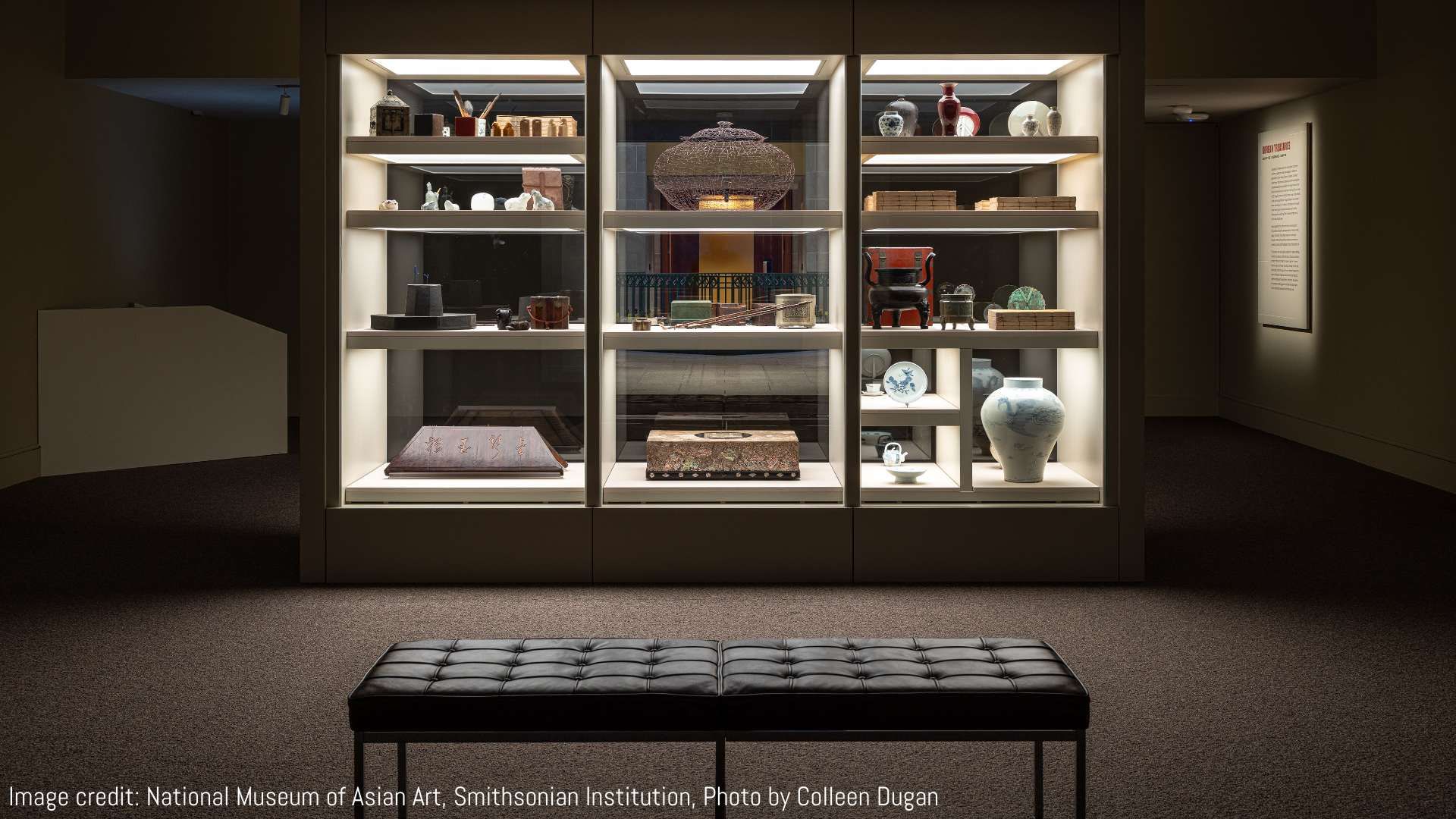
Joung: Korean Treasures brings together masterpieces from the Lee Kun-Hee Collection, including Buddhist sculpture, Joseon dynasty furnishing, rare ceramics, as well as both traditional and modern paintings.
- The collection totals more than 200 works, spanning 1,500 years of Korean history.
- Each piece tells a story of Korea's evolving identity, craftsmanship and imagination. Visitors will not only see extraordinary works of art, but also experience how culture and creativity have shaped a nation's spirit and created the roots for today's modern popular culture.
It's a celebration of legacy and renewal, inviting Americans to explore the depth and beauty of Korean artistry and the shared values of curiosity and expression that inspire both art and innovation.
6. The story: How does this exhibition align with Samsung's overall mission, including within the U.S.?
Joung: Samsung has been part of the American story for nearly 50 years, investing over $100 billion and supporting 20,000 jobs across the country.
- Our work in the U.S. isn't just an investment in innovation, it is an investment in our local communities.
- Our partnership with the Smithsonian's National Museum of Asian Art reflects our belief that progress isn't just technological; it's cultural and social.
By supporting institutions that educate and inspire, we help strengthen the cultural and civic fabric between the U.S. and Korea.
7. The goal: Why is it important for a technology company to invest in arts and culture?
Joung: Technology may change quickly, but values like creativity, craftsmanship and connection remain timeless.
- Supporting the arts helps remind us of our shared humanity and of the beauty that comes from collaboration across cultures.
When people experience art, they're inspired to imagine something new. That's the same inspiration that drives us every day at Samsung.
8. The strategy: How do Samsung's cultural and community commitments relate to its business goals?
Joung: We see them as inseparable. Our success as a company is tied to the strength of the communities where we live and work.
- Whether through investments in American manufacturing and jobs, education programs or cultural collaborations like this exhibition, we aim to contribute to a more connected, creative society.
That's what "Samsung in America" is all about: helping communities grow stronger, more innovative and more inspired together.
9. Looking ahead: What's next for Samsung in America's cultural and community investment efforts?
Joung: We'll continue to look for ways to deepen our impact, whether through our own education programs like Samsung Solve for Tomorrow, an initiative that has reached over 620,000 students with STEM education and contributed over $29 million in classroom technology and resources.
As well as through partnerships with cultural institutions that continue to make the arts more accessible.
As we expand these efforts, we also see an opportunity to connect the energy of contemporary Korean culture, especially K-pop, K-dramas and digital creators, with the communities and institutions we support across the U.S.
- By partnering on programs that blend performance, storytelling, and technology, we can give audiences who are already engaging with Korean culture more chances to explore the deeper history and artistic traditions behind it.
Our goal is to inspire future generations to see that technology and art are not separate pursuits, but complementary forces that move society forward together.