How lawsuit abuse and insurance costs are driving up rideshare fares

A message from: Uber
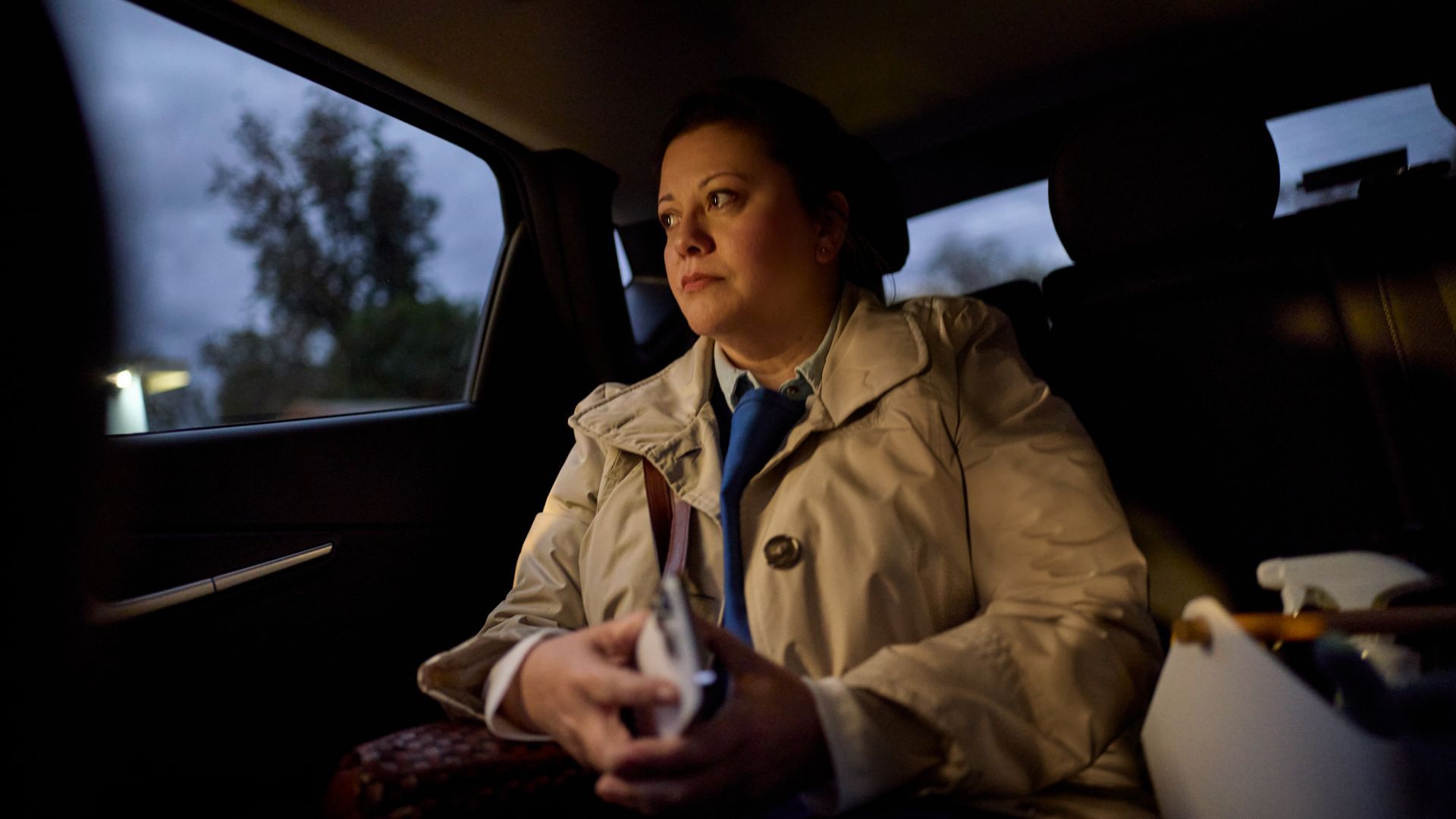
Lawsuit abuse and rising insurance costs are driving up the price of rideshare services — forcing riders to pay more for every trip.
What you need to know: The American Tort Reform Association found that lawsuit abuse costs every American $1,424 annually — nearly $6,000 per year for a family of four.
- Meanwhile, personal vehicle owners have faced a 30% rise in motor vehicle insurance costs nationwide over the past three years, according to the Consumer Price Index.
Why it's important: These rising costs hit passengers who rely on rideshare services especially hard, where insurance is one of the largest expenses baked into every trip — raising fares for riders.
The challenge: Special interests in some states are exploiting the high insurance limits required for transportation network companies (TNC), leading to a surge in personal injury lawsuits, even in cases where neither Uber nor drivers are at fault.
- Fraudulent claims and outsize settlements drive up insurance premiums year over year.
- These high costs are passed onto riders making trips more expensive.
The background: Each state sets its own insurance requirements for rideshare services. In some places, these mandates are significantly higher than those for taxis, buses and other commercial vehicles.
The result? Riders in states with excessive insurance mandates pay significantly more per trip, which creates a financial burden—particularly for those who rely on rideshare for essential travel.
- For example: As of January 2025 in California and New Jersey, roughly one-third of a rider's fare on average goes toward state-mandated rideshare/TNC insurance costs, compared to just 5% in Washington, D.C., where rideshare/TNC regulations are more balanced.
What Uber drivers are saying: "Everybody's using Uber. But because insurance keeps going up it's hard for them to afford it. That wasn't really an issue before. Definitely lawmakers need to do something about it," said Uber driver Withman Santiagos.
Worth a mention: Despite Uber making major safety advancements, insurance costs for U.S. rides have increased by nearly 50% per trip over the past three years.
- Uber saw a decrease in the rate of overall crashes reported on the platform from 2017 to 2022.
- Per 100 million miles traveled, Uber's motor vehicle fatality rate is significantly lower than the national average.
- 99.9% of Uber trips occur without any safety-related incident.
- Studies have also shown that Uber's presence in a city reduces the rate of drinking-and-driving crashes.
In other words: The growing insurance burden is not just tied to road safety risk — it's a result of legal exploitation and outdated state policies.
The impact: Uber helps fill critical transportation gaps for seniors, veterans and people with disabilities. Yet, rising insurance costs threaten to make these rides less affordable and accessible.
- 4,000+ health care organizations partner with Uber to provide transportation to medical appointments, same-day prescription delivery and home delivery of groceries.
- Uber has provided 263,000+ free rides to a total of 38,000 veterans through its partnership with the U.S. Department of Veterans Affairs.
- 275,000+ people with disabilities gain mobility independence every month through Uber Transit's partnerships with local transit agencies.
- Uber Transit has 80+ partnerships with public agencies to improve transit access — supporting paratransit, microtransit and first-mile/last-mile connectivity.
The takeaway: Commonsense legislative reforms are needed to rightsize insurance requirements for rideshare.
- Fixing outdated regulations so that all trips remain covered while bringing down costs so more of the rider's fare ends up where it belongs: in the driver's pocket.
Learn more about how Uber is advocating for fairer insurance policies.