Giving small businesses a bigger voice in Washington

A message from: Goldman Sachs 10,000 Small Businesses Voices
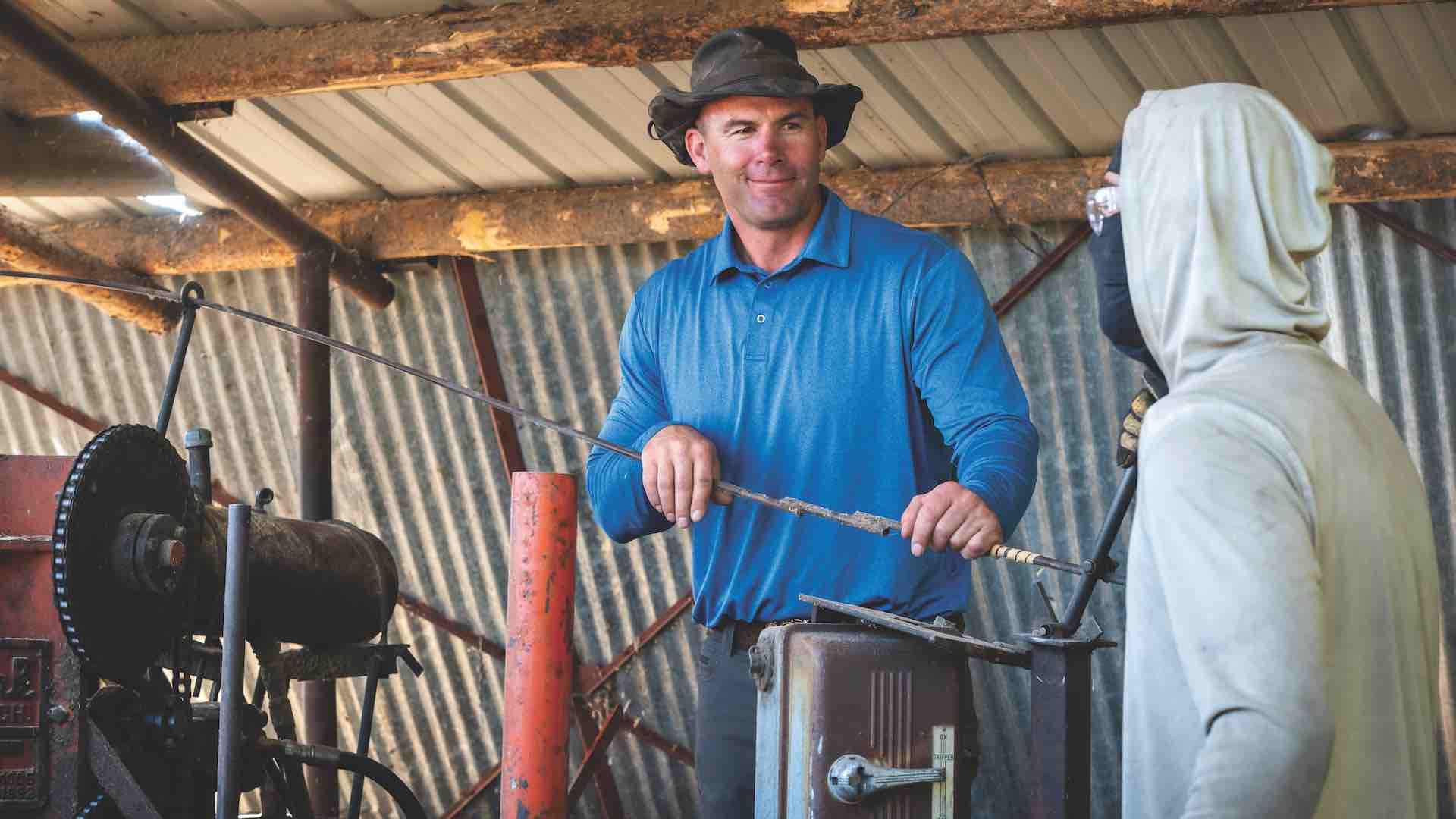
Mark Stosich started Stosich Inc. with his family more than two decades ago. Today, he's part of Goldman Sachs 10,000 Small Businesses program.
Small business owners are at an impasse — 74% report they plan to grow, seeing a future where they can expand their businesses. But they're feeling held back by factors like accessing affordable capital, hiring difficulties and capitalizing on new technologies.
Here's the deal: Giving small business owners a voice in Washington, D.C. helps policymakers understand their needs and shape better policies. But when you're a small business owner juggling every aspect of your business, finding time and opportunities to advocate for those priorities at a national level isn't easy.
- This difficulty is evident. New survey data from Goldman Sachs 10,000 Small Business Voices (10KSBV) program found that 81% of small business owners across the country say they don't believe they're being heard on macro-level issues affecting their business in Washington.
The solution: Goldman Sachs 10KSBV program gives small business owners the tools, connections and space to boost their voices and advocate for the policy changes that will positively impact their business.
- 10KSBV is the advocacy initiative for the alumni of the Goldman Sachs 10K Small Businesses program, which has boosted economic opportunity for small businesses for over a decade.
Why now: On October 29-30, the 10KSBV program hosted a two-day summit in Washington, the largest gathering of small business owners — where over 2,200 small business owners took their message straight to the lawmakers shaping their future.
New findings shape the conversation in D.C.
The results of Goldman Sachs' new survey drove this summit's agenda — focusing on helping small businesses grow and build stronger communities. Small business owners made their key priorities clear:
Expanding access to affordable capital: Supporting small business lenders, adopting technology to streamline financing and improving technical assistance for accessible funding.
- 73% of small business owners are worried about their ability to access capital.
Strengthening the talent pipeline: Connecting small businesses with community college training programs and creating a benefits resource guide that helps attract and retain workers.
- 91% small businesses that are hiring find recruiting qualified employees difficult.
Increasing resources for AI best practices: Helping small businesses expand skills and access resources to implement AI in the most helpful way.
- Small businesses using AI report being held back by a lack of technical expertise (45%) and difficulty choosing the right AI tools (47%).
- 88% said they need more training to help successfully implement AI.
Boosting small manufacturer needs: Giving greater access to capital and expanded participation in innovation and technology transfer programs.
- 65% of small business owners say it is not affordable for the average American to own and operate a small business.
Heightening small businesses' access to government contracts: Increase the ability to compete for government contracts with stronger training and support and raise the simplified acquisition threshold to $250,000.
- In the past 10 years, small businesses receiving federal contracts has decreased by 50% and there have been 60% less entering the federal contracting system, as reported by the House Committee on Small Business.
Next steps: This is a vital opportunity to listen to the priorities these small businesses are highlighting and curate a proactive agenda focused on helping them to continue supporting communities around the country.
"Small business owners are resilient and will find ways to continue to grow, but they shouldn't have to do it alone," says Jill McCarthy, national director of 10KSBV. "That's why Goldman Sachs 10KSBV gives small business owners a seat at the table alongside the national's top policymakers to make their voices heard in the critical conversations affecting their growth."
The takeaway: These small business owners aren't waiting for change, they're driving it.