From bankruptcy to bounce back: Inside Detroit's transformation

A message from: JPMorganChase
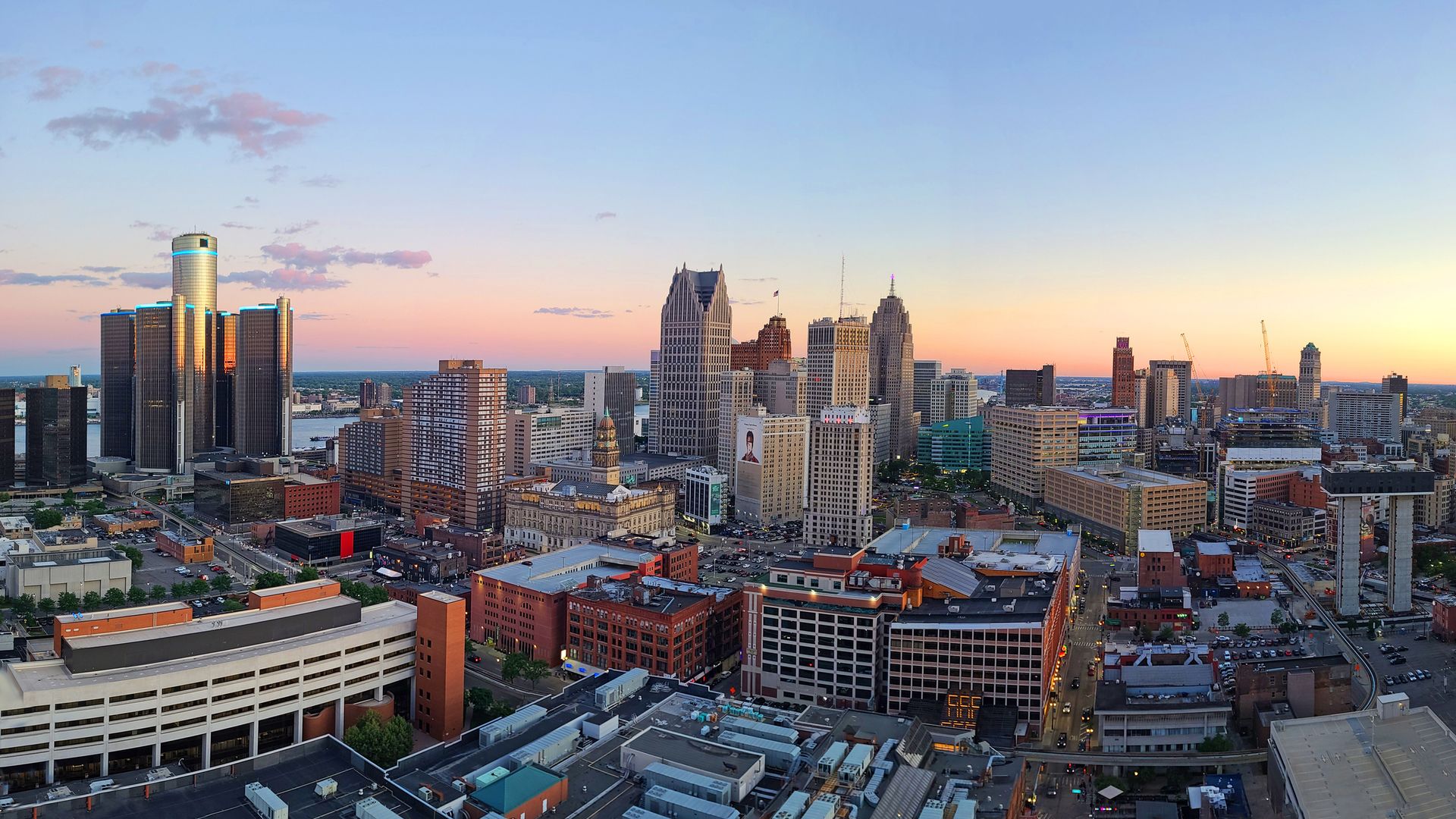
In 2013, JPMorganChase made a historic investment in Detroit's comeback, which reached $200 million in 2022.
Why it's important: This investment — which includes philanthropic capital, skilled volunteerism, low-cost loans and equity investments — has become a model for how the firm uses the breadth of its capabilities and depth of experience to help communities around the world spark long-term, self-sustaining economic growth.
The background: Having provided banking services in Detroit for 90 years, JPMorganChase saw the city's struggle firsthand when it filed the largest municipal bankruptcy in U.S. history in 2013.
But the firm also saw a remarkable opportunity brewing.
- A new mayor had just won a historic write-in campaign on the promise to help Detroit emerge even stronger from bankruptcy, and a coalition of local community, business and civic leaders was already working in lockstep toward the common goal of building an economy that worked for every resident.
JPMorganChase seized the opportunity to test how private capital could help solve big economic challenges.
How it was done: Extensive research and data guided the approach as they focused on areas where they could leverage their own expertise and work closely with local partners to make a significant impact for Detroit's residents, including:
- Neighborhood revitalization and affordable housing.
- Skills training and job creation.
- Small business growth and financial security.
The impact: The returns can be seen in the strength of JPMorganChase's customers and communities — in their ability to access opportunity, plan for the future and pursue their dreams. During this period, Detroit's economy grew stronger.
- From 2015 to 2021, the per capita income of Detroit's residents increased by 23%.
- The percentage of unbanked residents decreased by more than half during that same period, and the median credit score rose by 9%.
- In 2023, Detroit's unemployment rate fell under 7%, its lowest since 2000.
The takeaways: Insights from JPMorganChase's initiatives in Detroit have strengthened the way the firm collaborates with communities, business leaders and government to help solve economic challenges and grow their business.
- The following lessons now guide JPMorganChase's approach to key initiatives:
1️⃣ Investing in communities is good for business.
The growth of a community's private sector is inextricably tied to the strength of local economies.
- A stronger community is good for business, increasing the value companies can bring to their customers, clients, employees, communities and shareholders.
2️⃣ Listening closely to the community is the first step to revitalization.
Connecting with and understanding the communities you're serving starts by listening closely to local community, business and civic leaders to understand where areas of opportunity and collaboration exist.
3️⃣ Staying focused on your distinct strengths and expertise drives change.
When JPMorganChase first went to Detroit, there were hundreds of issues the firm could have taken on.
- But instead of going a mile wide and an inch deep, JPMorganChase identified the areas where they could bring unique value, resources and expertise to drive meaningful change.
4️⃣ Collaboration is critical.
Identifying common objectives across industries and sectors is fundamental to drive systems change.
5️⃣ Delivering systems change requires more than just financial investment.
Human capital and brain power are equally — if not more — important than financial commitments.
- The impact of access to capital on a business and a community is magnified when accompanied by thoughtful, tailored technical assistance.
6️⃣ Promoting strong, diverse capital ecosystems is critical to redevelopment.
Diverse and local financial institutions, such as Community Development Financial Institutions (CDFI) and Minority Depository Institutions, play an important role in providing mortgages, small business loans and more to underserved communities.
7️⃣ Identify innovation and scale it.
No two communities will have the same strategy for inclusive growth. But the approach for taking on these challenges should stay the same:
- Listen to the community, identify areas where business can help catalyze community goals and partner closely with the community for sustained impact.
- Where it makes sense, tap into the creativity of other markets to replicate innovative solutions that have proved successful.
Read the complete playbook for more and learn more about the Zoom In series.