March 18, 2025


Good afternoon, Pros. Hope you're enjoying recess!
📍 If you have a sensitive tip, reach out securely on Signal to Ashley at ashleyrgold.20 and Maria at mariacuri.01.
Situational awareness: "Yes, there are concerns. Yes, there are risks," Vice President Vance said today about AI at the American Dynamism Summit.
- "But we have to be leaning into the AI future with optimism and hope, because I think real technological innovation is going to make our country stronger."
1 big thing: Carr takes FCC in new direction
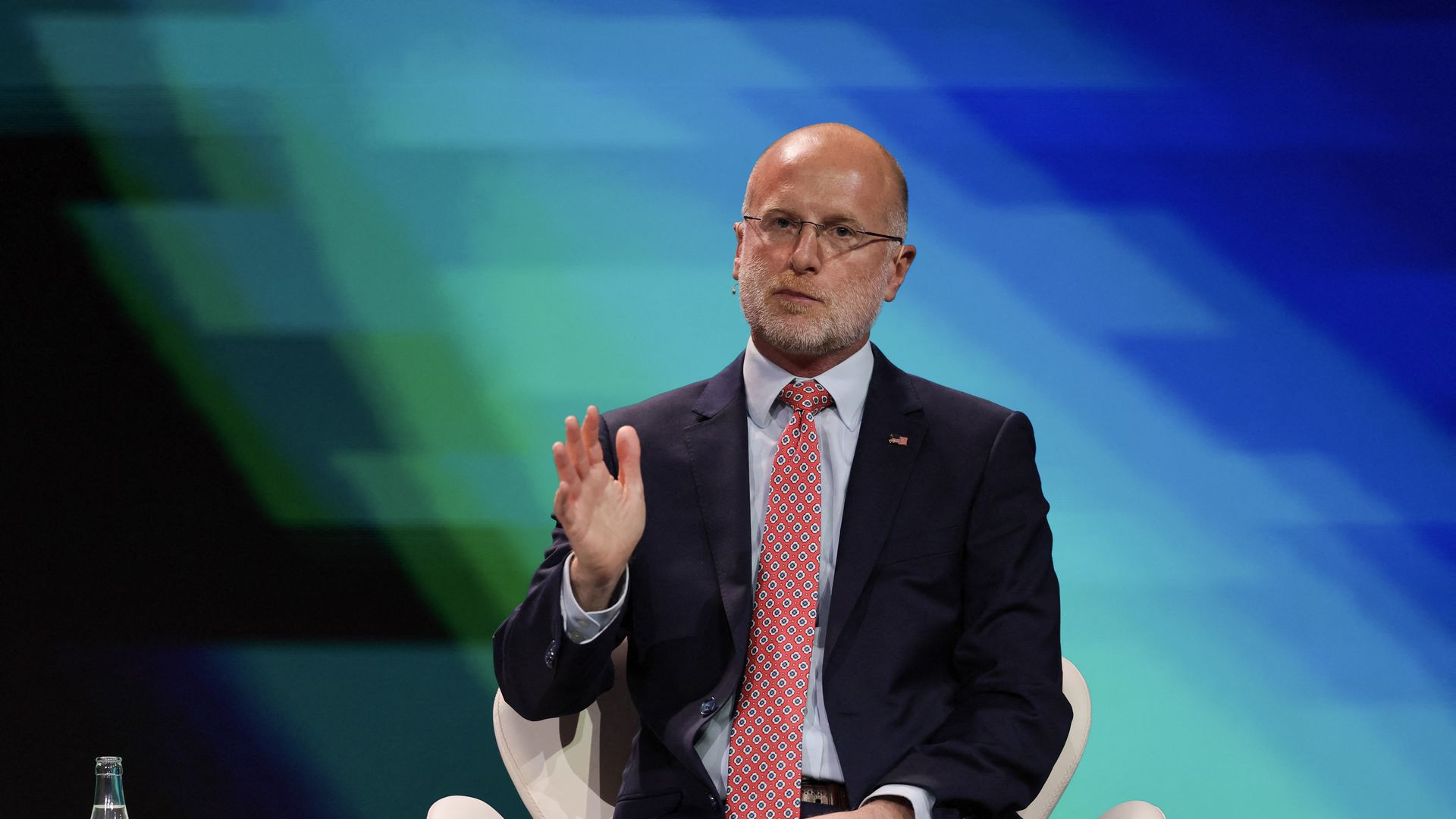
The FCC is putting more muscle into investigations as chair Brendan Carr wields the agency's bully pulpit powers, Maria reports.
Why it matters: The MAGA movement is leading tech agencies to reimagine the work they've traditionally done and the role they play.
- While the FCC is an independent agency under the law responsible to Congress, Carr's moves since becoming chair show he's in clear lockstep with President Trump.
State of play: The FCC's speech authorities are limited, but Carr has shown a willingness to use the agency's licensing powers to wade into content moderation debates that previous chairs have not.
- He has reopened investigations into CBS, ABC, and NBC that former chair Jessica Rosenworcel dismissed, and launched new investigations into NPR, PBS, and San Francisco-based radio station KCBS over editorial decisions.
- He has also targeted tech's Section 230 liability shield, recently questioning whether YouTube is discriminating against faith-based channels.
- In the letter to YouTube, Carr said he's considering expanding the agency's rules to have more authority over multichannel video programming distributors like YouTube TV.
The rule expansion would come as the Trump administration claims to want to slash government regulation.
- A recent executive order gives agency heads the right to stop enforcing regulations without a vote and come up with a list of regs that should be eliminated by mid-April.
- Carr has launched a "Delete, Delete, Delete" docket to get the public's feedback on what should be eliminated that so far includes a little more than 100 submissions, largely from individuals.
Carr's probes have also been unusually public, New Street Research policy adviser and former Democratic FCC commissioner Blair Levin said.
- FCC resources are being used to solicit public feedback on the Kamala Harris "60 Minutes" CBS investigation alleging news distortion. At the top of its consumer complaints page, there's a comment portal link for anyone to directly weigh in.
- "We did investigations all the time, and we investigated quietly. Then if there's a problem, it becomes public. No FCC chair that I'm aware of publicly started an investigation by accusing the companies of crimes without any evidence," Levin said.
"The FCC welcomes this opportunity to efficiently deliver great results for the American people and advance policies that President Trump established," Carr said in a statement to Axios.
Between the lines: Carr's investigative agenda doesn't require a Republican majority to vote, and has largely been about messaging and using the agency as a bully pulpit to spark action in Congress.
- Ultimately, changes to Section 230, for example, would require lawmakers to pass a law and Carr has called on Congress to stop funding PBS and NPR.
- But lawmakers have historically been unable to agree on what to do about tech, from the industry's liability shield to its content moderation decisions.
- And Democrats like Sen. Richard Blumenthal are fighting back against Carr's actions, launching an inquiry into the "political targeting" of newsrooms.
What we're watching: While the first few months of Carr's FCC have been mostly about media investigations, we're anticipating that spectrum and the space industry priorities will heat up.
- The agency's policy moves will be limited until Congress reauthorizes its spectrum auction authority and Republicans gain a majority, but we expect bureau-level action to continue.
- Republicans could have an even stronger hold on the agency as Democratic commissioner Geoffrey Starks on Tuesday announced he will step down this spring.
2. Ferguson's FTC gives antitrust work a MAGA twist

Tech and business aren't breathing big sighs of relief now that FTC chair Andrew Ferguson has taken the reins, despite Republican administrations historically being more hands-off, Ashley reports.
Why it matters: As Ferguson starts his tenure atop the FTC, one thing is clear — antitrust enforcement is here to stay, just with a new flavor, as the agency moves away from Lina Khan-era initiatives.
State of play: Lawyers, the tech industry, and business executives are watching Ferguson carefully to see where he'll stick it out with Biden-era tech industry enforcement matters and where he'll differ.
- Ferguson has said the FTC will keep arguing its ongoing cases against Amazon and Meta. Per a Bloomberg report, a case against Microsoft continues to develop.
- Ferguson also wants to go after what he sees as Big Tech bias as a driver of unfair market power, as we previously reported.
- The FTC declined to comment.
What they're saying: "President Trump appointed me to protect Americans in the marketplace, and that includes from Big Tech. I've said since day one, Big Tech is one of our main priorities and that remains true," Ferguson said in a CNBC interview last week.
- "I think the message that the Trump antitrust enforcers are sending is full speed ahead, they see themselves as the cop on the beat, and they see a market power problem, especially in the tech arena," Wyatt Fore, an antitrust partner at Shinder Cantor Lerner law firm in Washington, D.C., told Axios.
Some early pushback to Ferguson's agenda has emerged. David Grossman, VP of policy and regulatory affairs at the Consumer Tech Association, told Axios that the requests for comments on potential Big Tech censorship is concerning.
- "The FTC should be careful not to base its decisions on unverifiable reports and instead support the digital economy that has been responsible for tremendous American innovation and growth," he said.
- A Wall Street Journal editorial published Monday reads: "Mr. Ferguson would be wise to drop Ms. Khan's antitrust obsessions and refocus on the agency's mission of protecting consumers."
Both Amazon and Meta continue to get ready to go to court in their respective cases. But Ferguson may decide not to pursue similar cases or use the FTC's limited resources on related litigation going forward.
Yes, but: Ferguson has hinted he will be more friendly to mergers, doesn't see the FTC as an AI regulator, and does not appear interested in having the FTC write sweeping new regulations.
What we're watching: As the Microsoft case continues to develop, Ferguson's FTC will shape where it ultimately lands.
- As Big Tech firms continue to invest in AI companies, and larger companies gain footholds in the market, Ferguson will have to decide if there's anywhere for the FTC to step in.
✅ Thank you for reading Axios Pro Policy, and thanks to editors Mackenzie Weinger and David Nather and copy editor Bryan McBournie.
- Do you know someone who needs this newsletter? Have them sign up here.
View archive