July 11, 2024


It's Thursday! We've got a ton of news for you today, so start scrolling.
1 big thing: Senate Commerce tries to boost AI and privacy before August
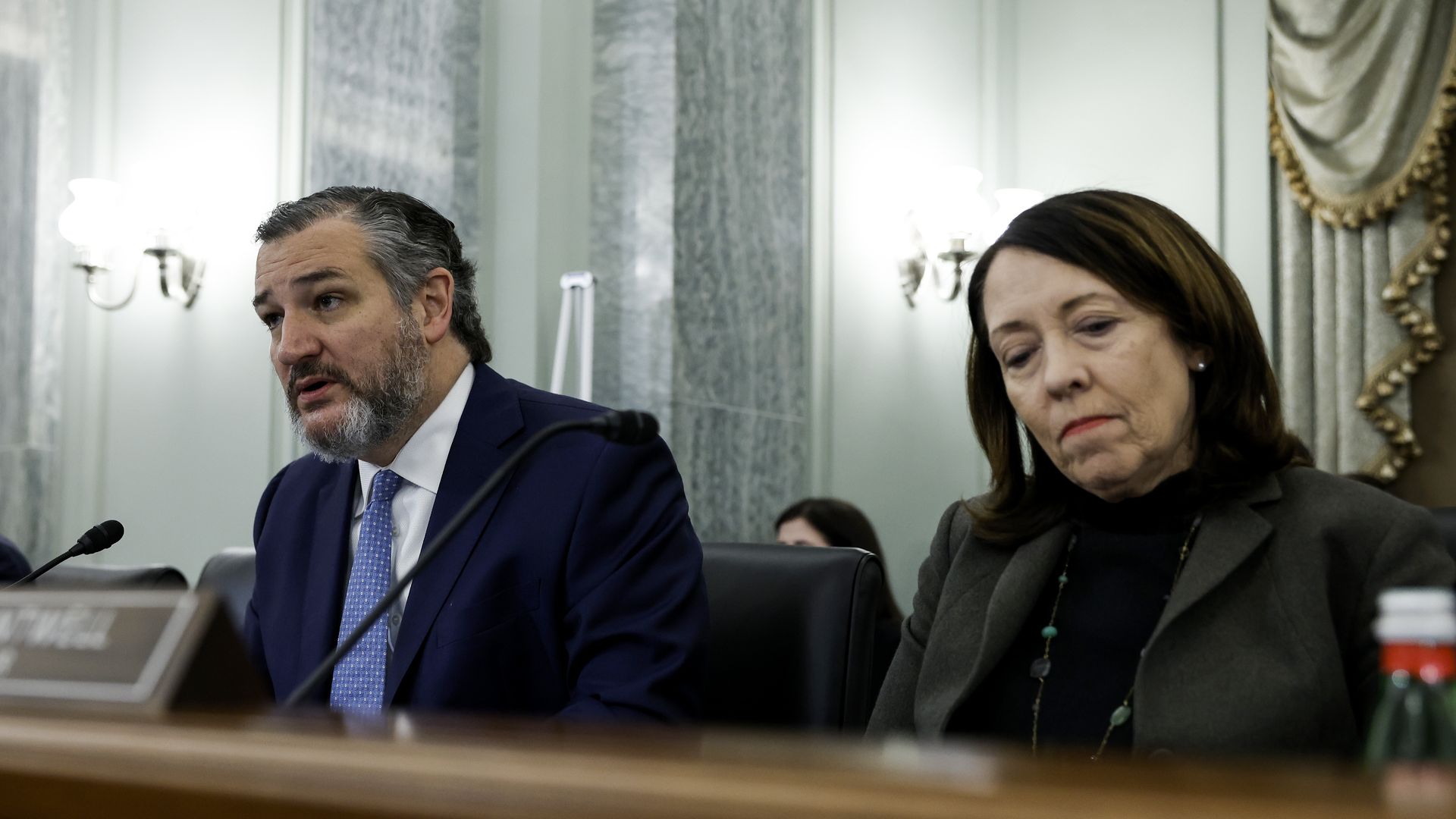
Senate Commerce Committee Chair Maria Cantwell tried to inject new energy into the conversation around AI and privacy at a hearing today, but the way forward for marking up pertinent bills remains fuzzy, Ashley reports.
The big picture: With few legislative days left before the August congressional recess and many distractions on Capitol Hill, tech policy progress is hard to come by.
- Cantwell told reporters after the hearing she wants to mark up both the American Privacy Rights Act and some AI bills at the end of July, after next week's recess.
- She said she's happy to address issues that people have with the privacy bill and will be doing so in the next two weeks before a markup.
- Cantwell declined to name the specific AI bills that might feature at the not-yet-scheduled markup.
Some lawmakers are pushing for movement on AI and privacy, but disagreements among parties and chambers continue to make that difficult.
- Today's Senate Commerce Committee hearing — which featured slim attendance, an all-over-the-place agenda and senators slipping in and out, some weighing in from their offices via videochat — seemed to be an attempt to reset the conversation.
What they're saying: Cantwell wanted to emphasize the importance of a national privacy bill in the world of AI, noting that the risks to people's privacy are higher than ever.
- Cantwell said she believed her APRA counterpart in the House, Rep. Cathy McMorris Rodgers, had "a lot of support" but that "one person" was concerned about the bill. Cantwell said she hopes that person will reconsider.
- She didn't name House Majority Leader Steve Scalise, but we previously reported that he was responsible for AI-specific civil rights–related language being stripped from the House version of the bill, which concerns Cantwell and others.
Friction point: Sen. J.D. Vance, a leading contender to be former President Trump's running mate in the 2024 election, said he's skeptical of AI regulation and that it would entrench Big Tech incumbents.
- Ranking Member Ted Cruz said the privacy bill as it stands is an aggressive regulation of the internet.
- Other members said they were worried about preemption and compliance costs for small businesses.
There may not be an official AI bill markup scheduled (and many have been canceled in the recent past), but new bills keep coming.
- Sens. Cantwell, Marsha Blackburn and Martin Heinrich introduced the COPIED Act today.
- The legislation would set "new federal transparency guidelines for marking, authenticating and detecting AI-generated content, protect journalists, actors and artists against AI-driven theft, and hold violators accountable for abuses."
2. What's inside the Senate NDAA for tech
The Senate Armed Services Committee's version of the annual defense policy bill features an array of provisions focused on AI and emerging tech, Ashley and Mackenzie report.
Why it matters: AI legislation is going to advance by hitching a ride on must-pass bills like the National Defense Authorization Act.
What they're saying: Sen. Mike Rounds told Ashley this week that the NDAA is filled with AI provisions, and "on a committee-by-committee basis, you're going to see lots of opportunities for addressing the incentives for AI, and in some cases, proposing modifications to existing rules to incorporate AI."
- He added: "I don't see a megabill coming in on AI."
What's inside: The Senate's defense policy bill is stuffed with dozens of provisions related to the Pentagon's study and use of AI, quantum and emerging tech, including:
- Requiring a pilot program on using AI-enabled software for DOD shipyards, depots and manufacturing facilities, and other pilots on emerging tech and AI and biotech applications for national security.
- Creating a Multilateral Artificial Intelligence Working Group to develop and coordinate an AI initiative among U.S. allies and partners.
- Establishing a DARPA initiative to "rapidly" expand and support the development of quantum computing capability available to the Pentagon.
The bill also calls on DOD leadership to clarify the roles and responsibilities of its AI workforce and to develop a budget process for programs with AI components that includes estimated data costs.
The House passed its version of the NDAA last month largely along party lines, 217–199.
- Among its tech policy provisions, it includes a call for DOD to create a quantum center to accelerate the transition of advanced quantum and quantum hybrid computing technology from the R&D phase into operational use.
What's next: Once the Senate passes its version of the NDAA, the two chambers need to resolve the differences between the bills.
- Both chambers will need to vote on the final version before sending it to the president's desk.
3. Catch me up: TikTok, the SHIELD Act and more
📱 TikTok update: The House Energy and Commerce Committee today voted to release the official classified transcript from an executive session held in the run-up to passing the TikTok divest-or-ban bill to the Department of Justice.
- In June, the DOJ requested that the committee transfer a copy of the transcript from its March 7 executive session titled "Legislation to Protect American Data and National Security from Foreign Adversaries" to use in its efforts to defend against TikTok's lawsuit.
- House rules required that the committee vote to approve the release.
- DOJ's brief is due July 26.
🛡 SHIELD Act: The Senate yesterday passed the Stopping Harmful Image Exploitation and Limiting Distribution Act by voice vote.
- The legislation would make it a crime to share private intimate visual depictions without consent and address the threat of sexual extortion scams.
🔬 New Science lawmaker: House Science Chair Frank Lucas this week announced that Rep. Greg Lopez is the newest member of the committee.
✍️ UAE AI deal concerns: The chairs of the House Foreign Affairs and China Select committees today sent a letter to national security advisor Jake Sullivan expressing concern that Microsoft struck a $1.5 billion AI deal with UAE company G42 without consulting Congress or having clear regulations in place.
- The UAE and China are reportedly collaborating on AI as Microsoft negotiates transferring sensitive tech to G42, the lawmakers wrote.
- The lawmakers want the National Intelligence Council to prepare an assessment of the ties between G42 and the Chinese government before the partnership with Microsoft proceeds.
✅ Thank you for reading Axios Pro Policy, and thanks to editor Mackenzie Weinger and copy editor Brad Bonhall.
- Do you know someone who needs this newsletter? Have them sign up here.
View archive