May 29, 2024

It's Wednesday! We're here with a deep dive on how agencies have met a major deadline from the AI executive order.
- You'll hear from us again next week when Congress is back, or earlier if there's breaking news you need to know.
1 big thing: Agencies tap chief AI officers

Illustration: Natalie Peeples/Axios
Across the federal government, agencies now have chief AI officers to help deploy the technology responsibly, Maria and Ashley report.
Why it matters: AI officers are helping agencies fulfill many new tasks from President Biden's expansive AI executive order.
- CAIOs hold the primary responsibility in their agency for all things AI, including promoting innovative uses of the technology and managing its risks.
Driving the news: Officers for 24 agencies were appointed by Monday's deadline, with several named well in advance.
- We spoke with a few of them to check in on the progress made and challenges ahead.
The National Science Foundation has dual responsibilities to integrate AI into its own operations and carry out external mandates, awarding grants to support research at universities and institutions nationwide.
- CAIO Dorothy Aronson, who's focused on internal operations, said in an interview that the biggest challenge so far has been finding the right people with the skills and expertise needed in areas of data, privacy, law and technology.
- Tess deBlanc-Knowles, special assistant to the director for artificial intelligence and a former OSTP official, is focused on outward operations for NSF.
- Launching the NAIRR pilot and regional innovation awards, with seven of 10 focusing on AI, has been a highlight, said deBlanc-Knowles, while the biggest challenge is meeting the need for AI education and workforce development across the U.S.
The Department of Homeland Security's Eric Hysen has served as DHS CIO since the start of the Biden administration and as its chief AI officer since September. DHS is using AI both to change internal processes and shake up its work with partner agencies.
- Hysen said he's spending more than half his time on AI-related work.
- DHS has been using predictive AI and machine learning for many years and is now accelerating some major efforts, he said.
- Generative AI pilots at DHS include one with FEMA on resilience plans, one with USCIS on training officers and one with Homeland Security Investigations on connecting details from case files, he said.
Hysen said balancing people's civil liberties with homeland security initiatives is a priority: "People interact with DHS at some of the most significant moments in their lives, and we believe we can improve those and keep the country safe through using AI."
- But if DHS employs AI in any way that sparks concerns among the public, "we [may] lose our permission to be able to use those technologies," he said.
What's next: By the end of March 2025, CAIOs must develop and post on their agency's websites an AI strategy that includes details on workforce needs and planned uses of the tech.
2. What we're hearing: A chief privacy officer's view of CAIOs
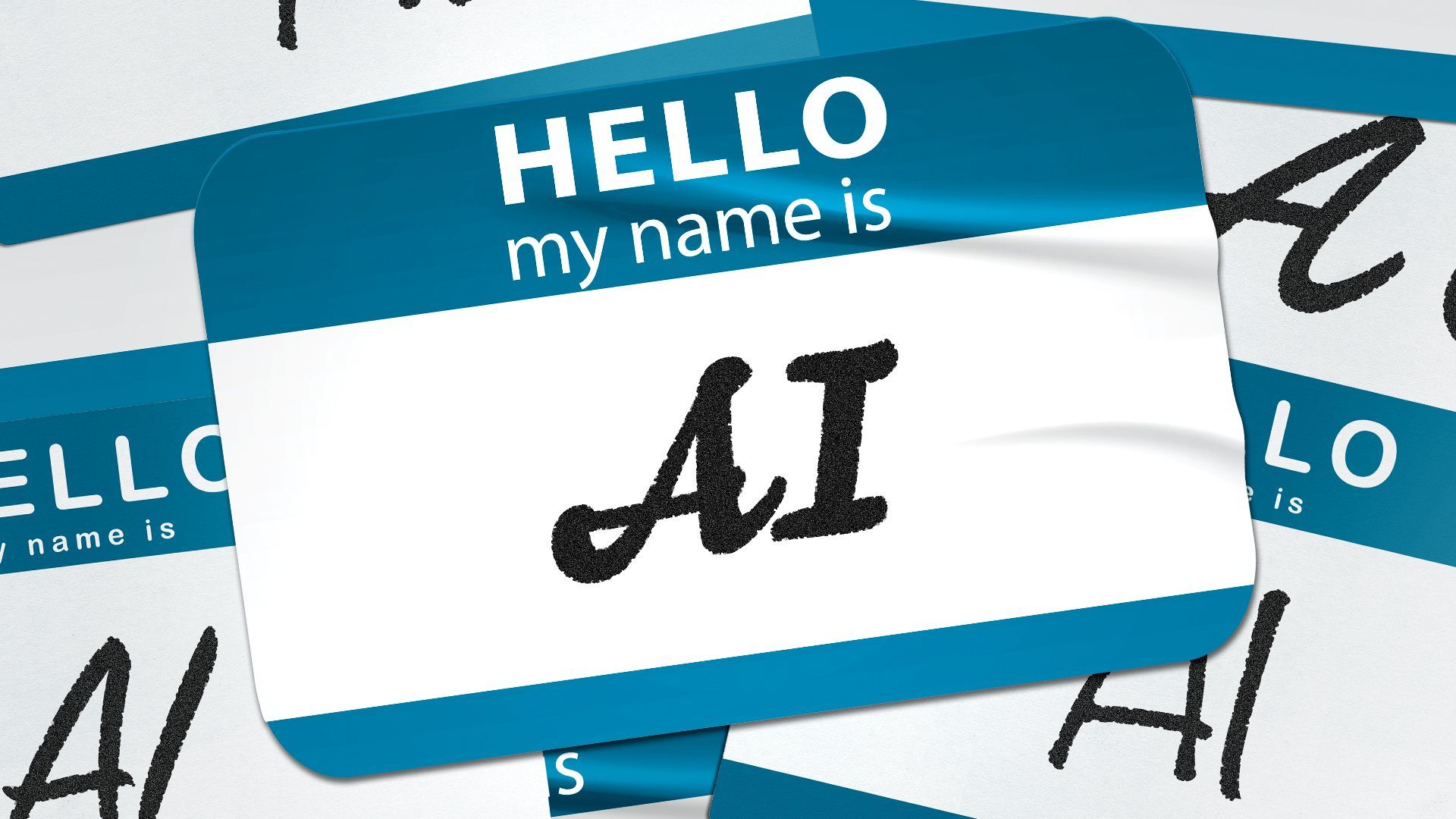
Illustration: Allie Carl/Axios
Chief privacy officers can provide a playbook for the officials taking on AI in government, Future of Privacy Forum CEO Jules Polonetsky said in an interview with Maria.
Why it matters: Before government agencies started naming chief AI officers, the tech industry was hiring chief privacy officers — and the latter can inform the work of the former.
- Because privacy and AI are inextricably linked, CAIOs should heed some of the lessons learned by industry CPOs, Polonetsky said.
Before launching the Future of Privacy Forum 15 years ago, Polonetsky served as CPO for major tech companies in the early 2000s.
- He worked as CPO for DoubleClick — which was later acquired by Google — then AOL.
What they're saying: "It's critical to ensure these roles are set up in ways where they're actually empowered. Otherwise, they can just be for show," Polonetsky said.
- That means giving the CAIOs proper tools, staff and authority to integrate policies and ensure compliance.
- Both privacy and AI officers are responsible for raising issues through the proper channels and mitigating new risks. AI issues directly relate to data use, decisions, transparency and other privacy concerns.
- The AI Safety Institute could help set standards for government agencies to follow, but it needs proper funding to be effective.
Chief AI officers will need proper support and integration to be effective, rather than being just another title, Polonetsky said.
3. The next key AI EO deadlines

Illustration: Sarah Grillo/Axios
It's been 30 weeks since President Biden issued his AI executive order, and a handful of major deadlines are this summer.
The big picture: As agencies work to complete the tasks on time, they're setting standards and best practices for the use of AI across the country.
- The executive branch — not Congress — is in the driver's seat for federal AI regulation.
Here are some of the key deadlines over the next few months:
By June 26, the Commerce Department will submit a report identifying the standards, tools and methods that exist for authenticating content and labeling and detecting faked content.
- The report will also cover how to prevent generative AI from being used to create nonconsensual images of people and child abuse material.
- By that day, NSF will help agencies incorporate privacy-enhancing technologies into their operations to try to protect personal data.
By July 26, the Energy Department will have a plan for analyzing the "nuclear, nonproliferation, biological, chemical, critical infrastructure, and energy-security threats or hazards" posed by AI models.
- Under that same deadline, the Chief Data Officer Council will have guidelines for security reviews on misusing federal data.
- The U.S. Patent and Trademark Office is expected to have shared recommendations with the president on executive actions he might take on AI and copyright.
What's next: The next major deadline is Oct. 29, a year after Biden issued the AI EO. Some of those tasks include:
- The State Department and USAID must publish an AI in Global Development Playbook and a Global AI Research Agenda.
- The attorney general will need to submit a report on the use of AI in the criminal justice system.
- HHS will develop a "strategy for regulating the use of AI or AI-enabled tools in drug-development processes."
✅ Thank you for reading Axios Pro Policy, and thanks to editors Mackenzie Weinger and David Nather and copy editor Brad Bonhall.
- Do you know someone who needs this newsletter? Have them sign up here.
View archive