May 20, 2025


We're back. President Trump is trying to close out the Medicaid debate, but the GOP squabbling over program cuts hasn't abated.
1 big thing: Medicaid fight drags on after Trump push
President Trump sought to shut down the Medicaid debate and get the GOP megabill passed today, but House lawmakers continued to squabble over the extent of program cuts even after he addressed the caucus.
Why it matters: Time is running short for Republicans to pass their bill this week, but hardline conservatives are still pushing for deeper Medicaid cuts while moderates warn they don't want more drastic changes.
- The disputes could spill over into or even delay a House Rules meeting scheduled for 1am ET tomorrow.
Driving the news: House Freedom Caucus Chair Andy Harris left this morning's Hill meeting with Trump saying he was still opposed to the bill as is, adding that he wants much stronger limits on Medicaid provider taxes that states use to help finance their share of the program's costs.
- Trump told lawmakers in the meeting not to "f **k around" with Medicaid, but he also left room for targeting "waste, fraud and abuse" — terms broad enough to invite multiple interpretations.
- "The president called for eliminating waste, fraud and abuse in Medicaid," Harris said. "And we have not eliminated waste, fraud and abuse."
- Conservatives have also been pushing for cuts to the federal share of Medicaid costs, or FMAP. Harris did give a little on that front.
- "We could eliminate waste, fraud and abuse without going into FMAP," he said. "But it's going to involve deep changes to the provider tax."
The other side: But moderate Rep. Rob Bresnahan told reporters this morning that he doesn't want to change the provider tax structure further.
- "That's going to be a nonstarter," he said. "There is a health care system inside of my district that is potentially closing two facilities, and it's something that we can't have in northeastern Pennsylvania and also have the erosion of care."
- Bresnahan added that any changes to FMAP were also a "nonstarter" for him.
Between the lines: Although Trump made comments protective of Medicaid, he also is calling for the current bill to be passed, which has some of the most significant changes to the safety net program in its 60-year history.
- The CBO estimates that 8.6 million more people would become uninsured under the bill, mostly from losing Medicaid, and some from losing Affordable Care Act marketplace coverage.
- But some moderates said they were on board with the current Medicaid changes, saying work requirements and increased eligibility checks made sense.
- "I think they're doing the areas that I recommended," said centrist Rep. Don Bacon.
- He took solace in the absence of deeper cuts in the bill, saying, "I was able to protect FMAP."
2. Kennedy defends budget moves at Senate Approps
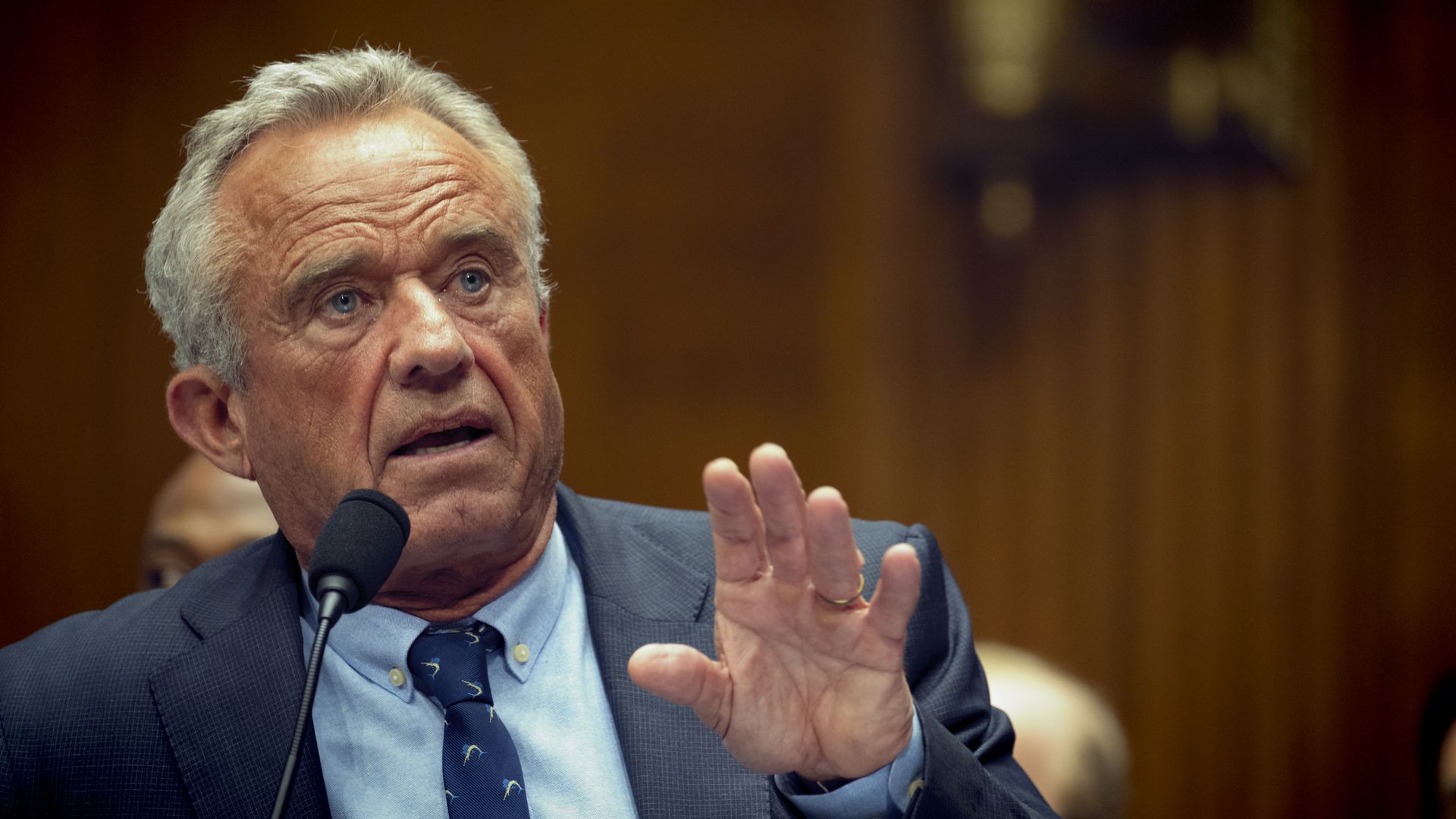
HHS Secretary Robert F. Kennedy Jr. doubled down on pledges to address chronic disease and consolidate federal health programs in testimony before Senate appropriators today.
- It was the third time in a week that Kennedy has defended the Trump administration's FY26 budget priorities on the Hill, and while he faced pointed criticism from Democrats, senators on both sides of the aisle reiterated their support for biomedical research.
What they're saying: Senate Appropriations Labor-HHS Chair Shelley Moore Capito offered muted criticism of Kennedy's reorganization of the federal health bureaucracy and urged him to work closely with Congress.
- "I am concerned that our country is falling behind in biomedical research. This should be a concern that we all share and make investments in," Capito added, listing some medical treatments that NIH helped develop.
Capito also criticized the layoffs of occupational safety workers in her home state.
- "I support the president's vision to right-size our government, but as you and I have discussed, I do not think eliminating NIOSH programs will accomplish that goal," she said. "I encourage you to look closely at all of NIOSH's offices and bring back additional critical staff."
- Senate Appropriations Chair Susan Collins pressed Kennedy to restore the low-income home energy assistance program that the FY26 budget seeks to eliminate, and Kennedy responded in the affirmative.
- Labor-HHS subcommittee Ranking Member Tammy Baldwin pressed Kennedy on who was making the decisions on terminating NIH funding grants, and whether DOGE was making the final call.
Kennedy said his priorities remain consolidating programs to better tackle mental health and addiction, combating the opioid crisis, addressing nutrition and physical activity and emphasizing healthy eating.
- He also said he was equipping the FDA to remove harmful chemicals from food and ending gain-of-function research at NIH.
3. Catch me up: COVID boosters, drug pricing target
- COVID shots: The FDA is changing the way it approves updated COVID-19 vaccines, in a move that could limit shots to adults 65 and older and those with underlying conditions. More here.
- Drug pricing: HHS set a target for Trump's "most favored nation" drug pricing plan at the lowest price in an OECD country with a GDP per capita of at least 60% of the U.S. figure.
- Opioid costs: The total average annual cost associated with a case of opioid use disorder is nearly $700,000, and the condition cost the U.S. an estimated $4 trillion last year, Maya Goldman reports from a new analysis from Avalere.
- Work rules: More than 700 advocacy groups for the disabled and elderly warned House leaders today that Medicaid work requirements would weigh heavily on people with disabilities, older adults between 50 and 65, and low-wage workers who provide services for people with disabilities.
✅ Thank you for reading Axios Pro Policy, and thanks to editors Adriel Bettelheim and David Nather and copy editor Brad Bonhall. Do you know someone who needs this newsletter? Have them sign up here.
View archive