New COVID booster rules could limit shots for people under 65

Add Axios as your preferred source to
see more of our stories on Google.
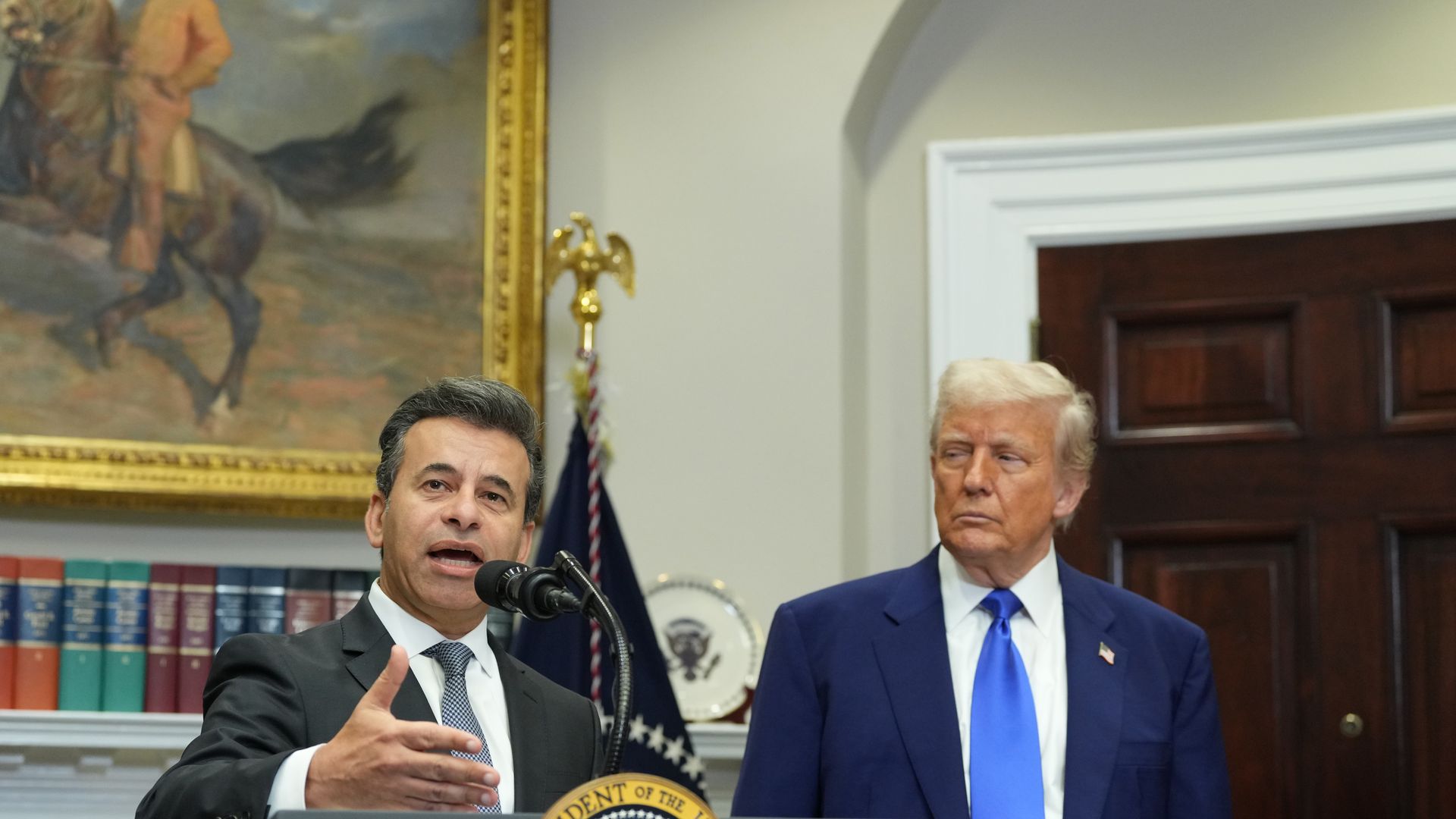
FDA Commissioner Marty Makary and President Trump in the Roosevelt Room of the White House. Photo: Chris Kleponis/CNP/Bloomberg via Getty Images
The Food and Drug Administration will require drug manufacturers to conduct more scientific studies before approving updated COVID-19 vaccines for healthy adults under age 65.
Why it matters: The policy change announced Tuesday will likely limit access to the shots to seniors and individuals with pre-existing conditions who are at higher risk of serious infections.
- The new approach under HHS Secretary Robert F. Kennedy Jr. could add more hurdles for manufacturers like Pfizer and Moderna and limit insurance coverage of the shots for some Americans.
- Kennedy and his new top vaccine regulator, Vinay Prasad, have been outspoken skeptics of COVID vaccine mandates for children, though Prasad has called the vaccine itself "a life-saving advance."
State of play: FDA officials said the new framework will likely shift away from approving updated COVID-19 vaccines each year, especially since the virus is now mutating at a slower rate.
- Regulators will require more data showing the shots are safe and effective for healthy adults and children, by requiring randomized, controlled trials to show benefits outweigh risks, FDA Commissioner Marty Makary and Prasad wrote in a commentary in the New England Journal of Medicine.
- They expect the agency to continue to approve booster shots for adults over 65 and anyone over six months old with at least one risk factor for developing severe COVID-19, if the vaccines are shown to be capable of generating antibodies.
- The original COVID-19 vaccines were tested in large-scale randomized trials. But boosters targeting new strains were subject to a streamlined approach and haven't been subject to more safety and efficacy studies.
What they're saying: "The FDA will approve vaccines for high-risk persons and, at the same time, demand robust, gold-standard data on persons at low risk," Makary and Prasad wrote.
- Pfizer said in a statement that it's evaluating the new policies and having ongoing discussions with the FDA.
- "We stand by the science behind the Pfizer-BioNTech COVID-19 vaccine and continue to believe that broad vaccination programs are an essential tool for helping to prevent COVID-19-associated hospitalizations and severe disease, including death," the company said.
- Moderna said in a statement: "We appreciate the FDA's clear guidance and remain committed to working with the Agency to provide the data they need to ensure access for Americans."
Critics questioned whether the policy shift effectively bypasses federal expert panels that hold public discussions on immunization practices and set recommendations. One such FDA advisory committee is due to meet on Thursday to discuss updated COVID shots.
- Public Citizen said the FDA announcement also doesn't make a convincing case for why COVID-19 vaccines should become unavailable for healthy persons under 65.
- "People should be able to look at the information, discuss it with their clinicians and be vaccinated if that's what they decide," said Robert Steinbrook, director of Public Citizen Health Research Group.
The new requirements could deter manufacturers from investing in new booster shots, said Richard Besser, CEO of the Robert Wood Johnson Foundation.
- "If you don't have a quick path to market for a new vaccine against a current strain of COVID, it's hard for me to imagine that any company would want to do a trial," Besser said. "By the time you finish your trial, the strain that's in the community may have already changed."
Zoom in: The FDA said between 100 million and 200 million people will have access to the new boosters because of risk factors including asthma, cancer, pregnancy, diabetes and certain mental health conditions.
- The agency last week also approved a protein-based COVID vaccine from Novavax — but only for adults age 65 and older or those 12 and up with at least one underlying condition. It also called for postmarketing studies to assess health risks.
Reality check: Uptake of COVID boosters has fallen sharply. About 23% of Americans got the most recent version, per CDC data.
- Fewer than 1 in 6 health care workers got a booster in the 2023-2024 respiratory virus season.
Editor's note: This story has been updated with additional details.
