January 21, 2025


Happy Tuesday! Some Republicans from swing districts are dodging questions about what they'd do in a vote on cutting Medicaid.
1 big thing: Swing GOPers deflect on Medicaid cuts
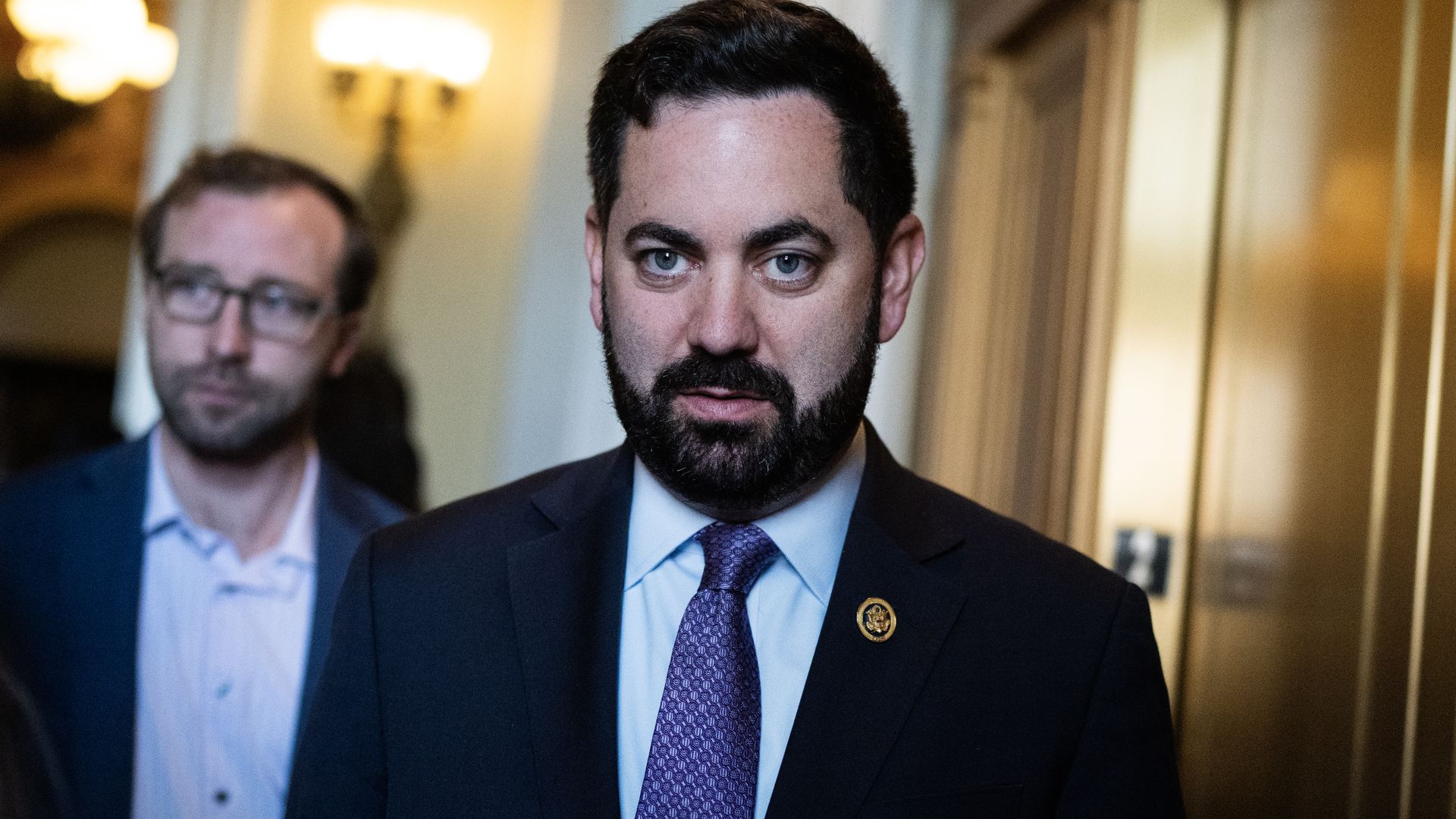
Vulnerable GOP lawmakers are deflecting questions about their openness to cutting Medicaid to help pay for the party's massive tax cut measure, Peter reports.
Why it matters: Republicans can lose only a handful of votes in both the House and Senate, putting pressure on swing votes, and any Medicaid changes are sure to be controversial given potential coverage losses.
What they're saying: "We're far away from going through all the payfors," Rep. Mike Lawler, who hails from a New York swing district and could run for governor, told Peter when asked about including Medicaid.
- "I'm not negotiating in the press on this," he added.
The big picture: House Republicans have discussed far-reaching changes to the Medicaid program, including new caps on how much is spent per person in the program, an idea that was in the 2017 ACA repeal-replace bill.
- Another possible proposal would reduce how much the federal government pays for the Medicaid expansion, which would cause some states to automatically end the expansion because they have "trigger" laws.
Driving the news: "I know there's talks about some Medicaid reform; I'd like to see the details, what that actually looks like," said Rep. Nick LaLota, another swing district member from New York.
- "I have to look at it," Sen. Thom Tillis, one of Senate Democrats' top targets in 2026, told Peter, noting that he had heard some discussion of "block granting."
- "I'm very familiar with North Carolina's waivers and Medicaid program, so as long as I feel like it doesn't come into conflict with the legislative priorities for Medicaid in the state, I'd be open to it," he added.
- Pressed on whether there is a concern about people losing coverage, Tillis responded: "Well, that's the question. I have to be convinced that it comports with our strategy in North Carolina."
The other side: The Democratic group Protect Our Care launched an eight-figure ad campaign today targeting vulnerable Republicans, warning of health care being "ripped away."
Between the lines: It is not yet certain whether Republicans will seek to include Medicaid cuts in a reconciliation package, but the loss of as much as $4 trillion in revenue from tax cuts is making them look for payfors.
- Some key House lawmakers have argued that the mounting national debt calls for actions to reduce spending on Medicaid.
- Sen. Lisa Murkowski, a key moderate vote who is not up for reelection this cycle, expressed the most concern about cuts.
- "I come from a state where Medicaid expansion has been really, really very key, so if it's going to be part of reconciliation, [it's something] I would be looking very critically at," she said.
Sen. Shelley Moore Capito and former Sen. Rob Portman expressed concerns about Medicaid cuts being too steep during the 2017 repeal effort.
- "There's big drivers [of debt], Medicaid's one of them," Capito told Axios last week. "I would have to see specifically what they would be cutting."
2. Trump executive orders roll back Biden policies

President Trump used executive orders on his first day in office to start the process of withdrawing the U.S. from the World Health Organization and roll back a series of health policies issued by former President Biden.
Why it matters: The directives offered more clues about a health care agenda that Trump did not make a prominent part of his campaign platform, Victoria reports.
Here's a rundown of the most noteworthy:
- Withdrawing from the World Health Organization, which would mean the U.S. no longer provides funds to the agency or participates in its global health efforts. The order cites "onerous payments from the United States, far out of proportion with other countries' assessed payments."
- Rescinding a Biden-era executive order that built on the IRA and instructed the Center for Medicare and Medicaid Innovation to test models to lower drug costs.
- Canceling two Biden-era executive orders that made it easier to enroll in and retain access to Medicaid and ACA coverage, via special enrollment periods, extending the open enrollment periods and increasing funding and outreach for the navigators program.
- Trump also rescinded several pandemic-related EOs addressing issues like ensuring equity in the pandemic response, establishing a COVID-19 testing board, accelerating treatment for COVID therapies, and establishing COVID vaccine requirements for federal workers.
The other side: Democrats are already starting to message on the issue, stating that Trump is trying to increase health care costs by rescinding the CMMI drug models EO.
- "On the first day of the Republican trifecta, Donald Trump wasted no time in following through on exactly what House Republicans have been aiming to do for so long: make medicine more expensive," the DCCC charged in a statement today.
Between the lines: Health care rated only brief mentions in Trump's inaugural address.
- He made a reference to the public health system not delivering in times of disaster and stated "more money is spent on it than any country anywhere in the world."
- Trump also referenced his and HHS Secretary-designate Robert F. Kennedy Jr.'s shared interest in ending the chronic disease epidemic.
What's next: Trump is expected to continue to issue EOs or rescissions in the next weeks that could include health-related measures, such as the so-called Mexico City policy or Title 42.
3. Catch me up: Trump's to-do list, bird flu vax

- Unfinished business: President Trump is inheriting a series of health policy headaches that the Biden administration didn't fully resolve, Axios' Maya Goldman reports.
- Bird flu vax: HHS has given Moderna $590 million to speed up trials on an mRNA vaccine against the strain of flu circulating in cows and birds. More from Fierce Biotech.
- GLP-1 benefits: A study of more than 2 million VA patient records found that the drugs lowered the likelihood of dozens of health conditions, including Alzheimer's disease, Axios' Tina Reed reports.
✅ Thank you for reading Axios Pro Policy, and thanks to editors Adriel Bettelheim and David Nather and copy editor Brad Bonhall. Do you know someone who needs this newsletter? Have them sign up here.
View archive