September 16, 2024


Welcome back! Some top congressional Republicans tell us they're ready to repeal Medicare drug price negotiations if they control the government next year.
1 big thing: GOP puts a target on drug price talks
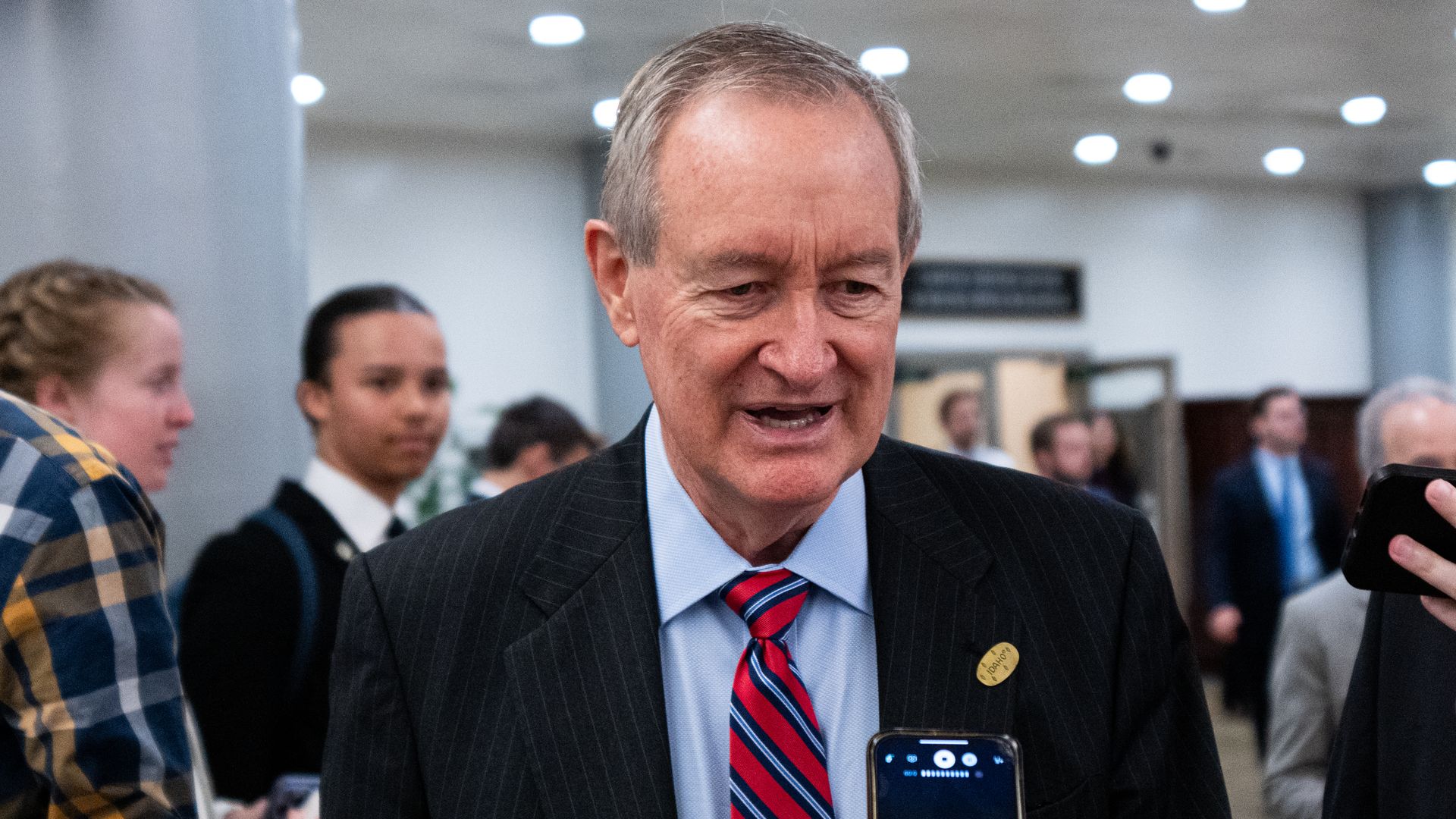
Some well-placed Hill Republicans say they're ready to repeal the Inflation Reduction Act's Medicare drug price talks if the GOP sweeps the elections, Peter reports.
Why it matters: Although former President Trump and his running mate, JD Vance, have expressed support for lowering drug prices in some way, many GOP lawmakers are openly discussing killing a process that they say hinders innovation and artificially sets prices.
- Their plans for any replacement are less concrete.
What they're saying: "I would try to remove that and replace it, but I can't tell you the exact, you know, what it would be yet," Sen. Mike Crapo, who's in line to be the next chairman of the Senate Finance Committee if Republicans flip the chamber, told Axios.
- Rep. Buddy Carter said the IRA drug pricing provisions are "the worst legislation I've ever witnessed in 10 years in Congress and 10 years in the state legislature" and he "absolutely" wants to repeal them.
- Sen. Thom Tillis said he "100%" wants to repeal the negotiation provisions, while other drug pricing sections of the law would need to be evaluated based on whether they have "a positive impact on business."
Trump hasn't clarified what he'd do about the drug price talks, but he's likely to use executive action to tie Medicare prices to the lowest price that other developed countries pay for drugs — a proposal that never was realized during his presidency.
Between the lines: The Congressional Budget Office found that the IRA negotiations would save about $100 billion over 10 years.
- That poses an obstacle to repeal efforts, since killing the negotiations would cost money at a time the GOP likely would be looking to extend tax cuts.
- Republicans also may not be eager in general to reopen a grinding health care debate, given that Medicare negotiating drug prices is popular with voters.
Although many GOP lawmakers are eager to kill the talks, it's not everyone's priority.
- Sen. Ron Johnson said he was focused on tax issues. "We have this looming massive tax increase in 2026," he said.
- "I'm probably more primarily focused on the energy provisions in the IRA," said Rep. Scott Perry, a Freedom Caucus member.
Vice President Kamala Harris has called for expanding the negotiations and making more drugs subject to price talks, if she's elected.
- Hill Democrats are trying to showcase how the talks are already yielding savings for seniors and working-class Americans. Senate Finance is due to hold a hearing on the drug price negotiations tomorrow with a range of witnesses from the right and left.
The other side: Republicans argue that the IRA provision is not a real "negotiation" because companies that opt out would be hit with a steep tax for nonparticipation, making the process little more than price setting.
- They're also warning of the IRA's other harms, especially potential premium increases in Medicare Part D.
2. More narrow health bills headed to House floor

The House will vote on more health bills under suspension of the rules when lawmakers return tomorrow.
Why it matters: Some bills are sponsored by retiring members, making them prime candidates for inclusion in any year-end health deal, Victoria reports.
Here's what is scheduled to go to the floor:
- The Chronic Disease Flexible Coverage Act would enable people with high-deductible health plans used with health savings accounts to have 14 preventive care services for chronic disease management covered before the plan deductible is reached.
- It's a priority for retiring members Reps. Brad Wenstrup and Earl Blumenauer and was approved with bipartisan support out of the Ways and Means Committee last year.
- The DeOndra Dixon INCLUDE Project Act would authorize a Down syndrome research project and is a priority of retiring House Energy and Commerce Chair Cathy McMorris Rodgers.
- The TELEMH Act would create a new Medicare modifier, or coding change, specifically for mental health services provided via telehealth, and is sponsored by Reps. John James, David Schweikert and Don Davis.
Other bills on the calendar focus on reauthorization of poison control centers, Alzheimer's and traumatic brain injury research programs, and addressing fraud in Medicaid.
3. What we're watching: IVF vote and Biosecure Act
/2024/09/16/1726503143482.gif?w=3840)
1. Another IVF vote: Senate Majority Leader Chuck Schumer as soon as this week will try to revive a package of four bills that mimics former President Trump's proposal to mandate insurance coverage of IVF treatments.
- Senate Democrats offered up the legislation earlier this summer in an effort to put Republicans on the record on IVF, and GOP lawmakers, like last time, are likely to kill it, instead promoting an alternative by Katie Britt and Ted Cruz.
2. Biosecure prospects: The Senate as early as this week is expected to file a substitute amendment to the FY25 defense authorization bill that could contain the chamber's version of the China biotech crackdown. The House passed a standalone version on suspension last week.
3. Physician-owned hospitals: 86 national and state medical organizations are urging Congress to lift the ban on physician-owned hospitals in the Affordable Care Act, saying eased restrictions could save some rural hospitals.
✅ Thank you for reading Axios Pro Policy, and thanks to editors Adriel Bettelheim and David Nather and copy editor Brad Bonhall. Do you know someone who needs this newsletter? Have them sign up here.
View archive