January 09, 2025



🍻 Happy Thursday, folks! Let's dive in.
🎶 Today's last song is from our esteemed editor Chuck McCutcheon, who's doing some reporting today: The Bad Plus' jazz version of Tears for Fears' "Everybody Wants to Rule the World."
1 big thing: Rural co-ops seek Trump's help
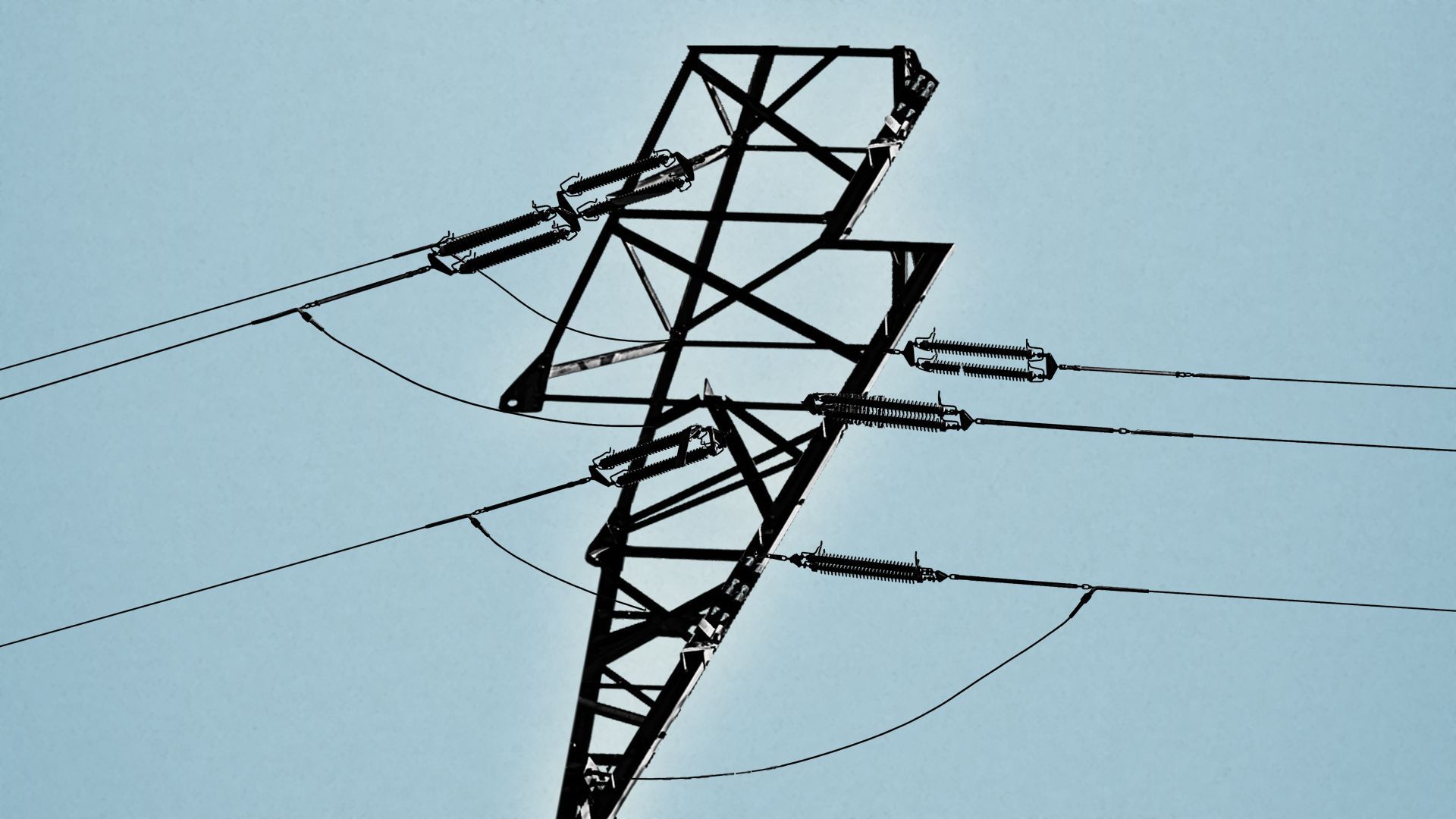
Electric cooperatives' top lobbyist Jim Matheson thinks the incoming Trump administration will help utilities tackle rising power demand, Nick and Daniel write.
Why it matters: The co-ops are influential with Republicans from rural states. The National Rural Electric Cooperative Association and its members could play a big role in swaying debates about permitting and EPA rules.
- The cooperatives provide power to 42 million people across 48 states.
Matheson, a former House Democrat from Utah, outlined the association's policy priorities in a letter last month to President-elect Trump. He took some time yesterday to elaborate to us on those priorities.
Power demand: Matheson said skyrocketing power demand driven by AI and new manufacturing only adds more urgency to the permitting negotiations that fell apart at the end of last year.
- "We've been beating this drum for a while, and what I'm excited about is, I think other people are getting it," he said. "Our discussions with the various landing teams in the incoming administration, they get it."
- One thing he argues will help: rolling back the Biden EPA's greenhouse gas rules for power plants.
- NRECA has sued EPA over the rules, and Matheson said the litigation "may address that issue before that regulatory process plays out."
Permitting: NRECA waded into the thorny debate over transmission last year to oppose a provision on Manchin-Barrasso that it thought would extend FERC jurisdiction over its members.
- Still, he said that bill offers a good baseline for the permitting debate headed into this year.
- "I think transmission does need to be part of it.… The fact that you had something come out of a committee in a bipartisan way is at least one indicator that there's some interest in this."
Reconciliation: Co-ops are focused on maintaining more than $10 billion established by the IRA for rural development: the New ERA program and PACE program, he said.
- NRECA members also support keeping the energy production and investment tax credits, which the IRA allowed public power utilities and rural co-ops to directly access for the first time.
- Matheson doesn't expect direct pay provisions to be a target in GOP reconciliation talks.
- But he's preparing to "talk about the importance of a level playing field for us to make investments in our community.… The for-profit sectors had all the benefit of that over the years, and we have not."
2. DOE sees hitches in new nuke waste site
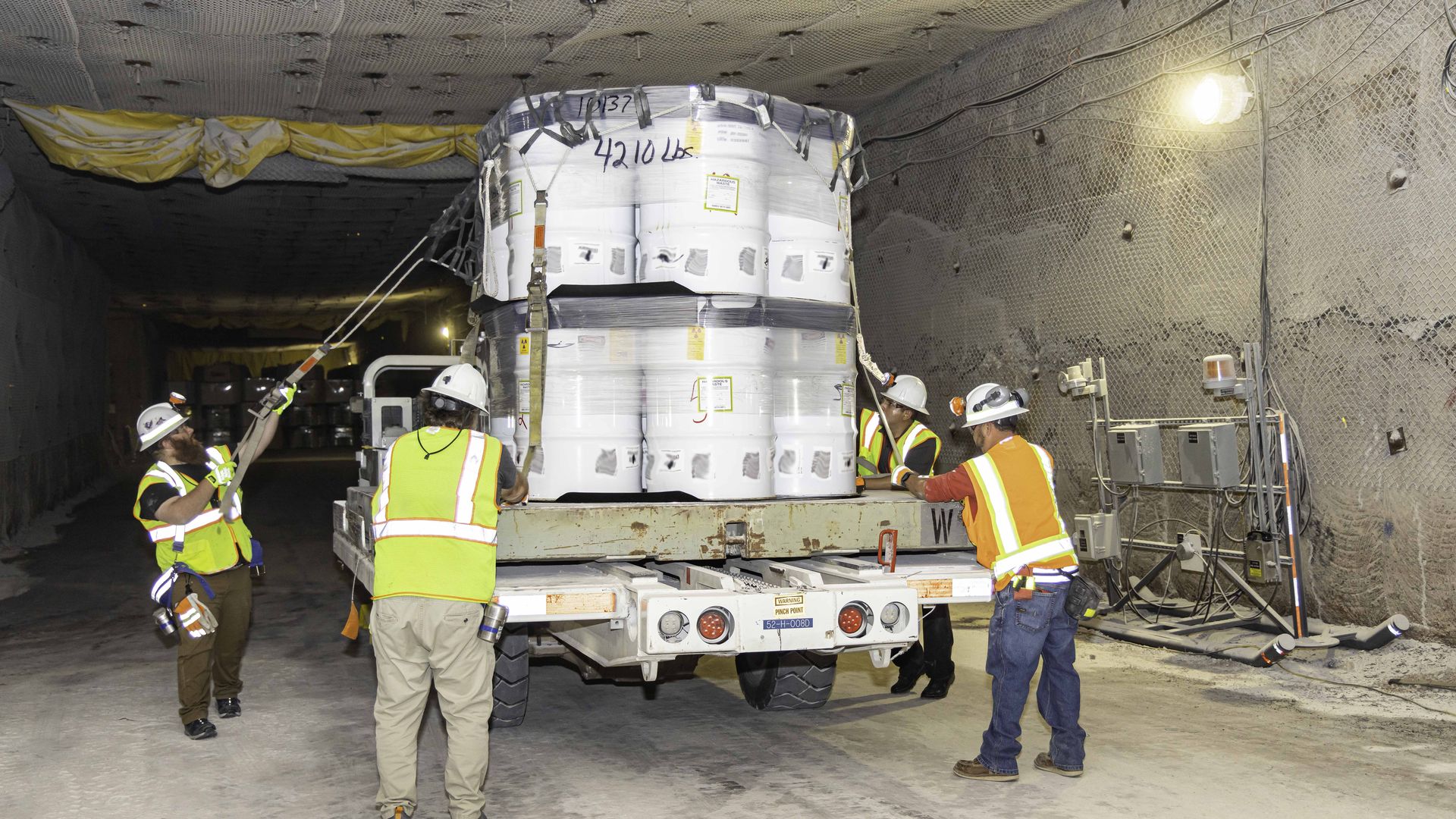
The Energy Department sees potential challenges to finding a second spot to bury nuclear waste from weapons plants — including proving the need for one to Congress, a new report says.
Why it matters: New Mexico officials required DOE in 2023 to study finding a new waste repository located outside the state, Chuck writes.
- New Mexico already hosts the Waste Isolation Pilot Plant (WIPP), the nation's first deep geologic burial site for radioactive rubbish, in its southeastern corner.
Context: Discarded tools, gloves and other plutonium-contaminated materials have been buried 2,150 feet underground at WIPP since 1999.
- The state has authority to regulate "mixed" hazardous and radioactive waste under RCRA.
Driving the news: The department issued its report late last month summarizing work toward finding a future home for "transuranic," or TRU, wastes.
- It said that based on its 2023 inventory across the nuclear weapons complex, WIPP has enough capacity to store all known and potential waste.
- As a result, it said, "effectively demonstrating the need to receive [congressional] authorization and funding for a second TRU waste repository at this time may be challenging."
The department conducted a more recent inventory and said in a statement that it "remains confident that WIPP has adequate statutory capacity for defense TRU waste needs."
- In fact, the 2024 numbers showed a decrease in the amount of waste expected to head to WIPP.
The other side: Don Hancock of Albuquerque's Southwest Research and Information Center faulted the report for not more broadly involving entities outside the agency's Environmental Management program.
- "The report is inadequate because all of the appropriate DOE actors weren't involved," Hancock told Chuck.
3. Catch me up: Confirmation, reconciliation
/2025/01/09/1736441680042.gif?w=3840)
👀 1. Hearing fireworks: Senate ENR Chair Mike Lee formally scheduled a confirmation hearing next week for DOE nominee Chris Wright, drawing another condemnation from Ranking Member Martin Heinrich.
- Heinrich said in a letter that Democrats had yet to receive Wright's ethics forms. He raised similar objections about Interior nom Doug Burgum.
🗣️ 2. Hill confab: Republicans look no closer to resolving their reconciliation strategy dispute after Trump met with the Senate GOP last night, Axios' Stef W. Kight and Hans Nichols report.
- Senators are still pitching him on a two-bill reconciliation strategy that could separate energy and tax provisions.
💻 3. Flatline: U.S. greenhouse gas emissions in 2024 were "nearly unchanged" from the previous year, an unusual bump in a multi-decadal downward trend, according to an annual report from the Rhodium Group.
⚡️ 4. Fleischmoves: Rep. Chuck Fleischmann is starting a new bipartisan energy caucus focused on promoting more domestic energy production across the board. He said Rep. Marc Veasey will be involved on the Democratic side.
🪑 5. Have a seat: House Natural Resources Chair Bruce Westerman announced today that Rep. Harriet Hageman will lead the water, wildlife and fisheries subcommittee, while several other chairs will return from last Congress.
- He also tapped Rep. Rob Wittman for vice chair.
✅ Thank you for reading Axios Pro Policy, and thanks to editors Chuck McCutcheon and David Nather and copy editor Brad Bonhall.
View archive