Axios What's Next

June 14, 2024



1 big thing: Brands you can hear, taste — and even smell
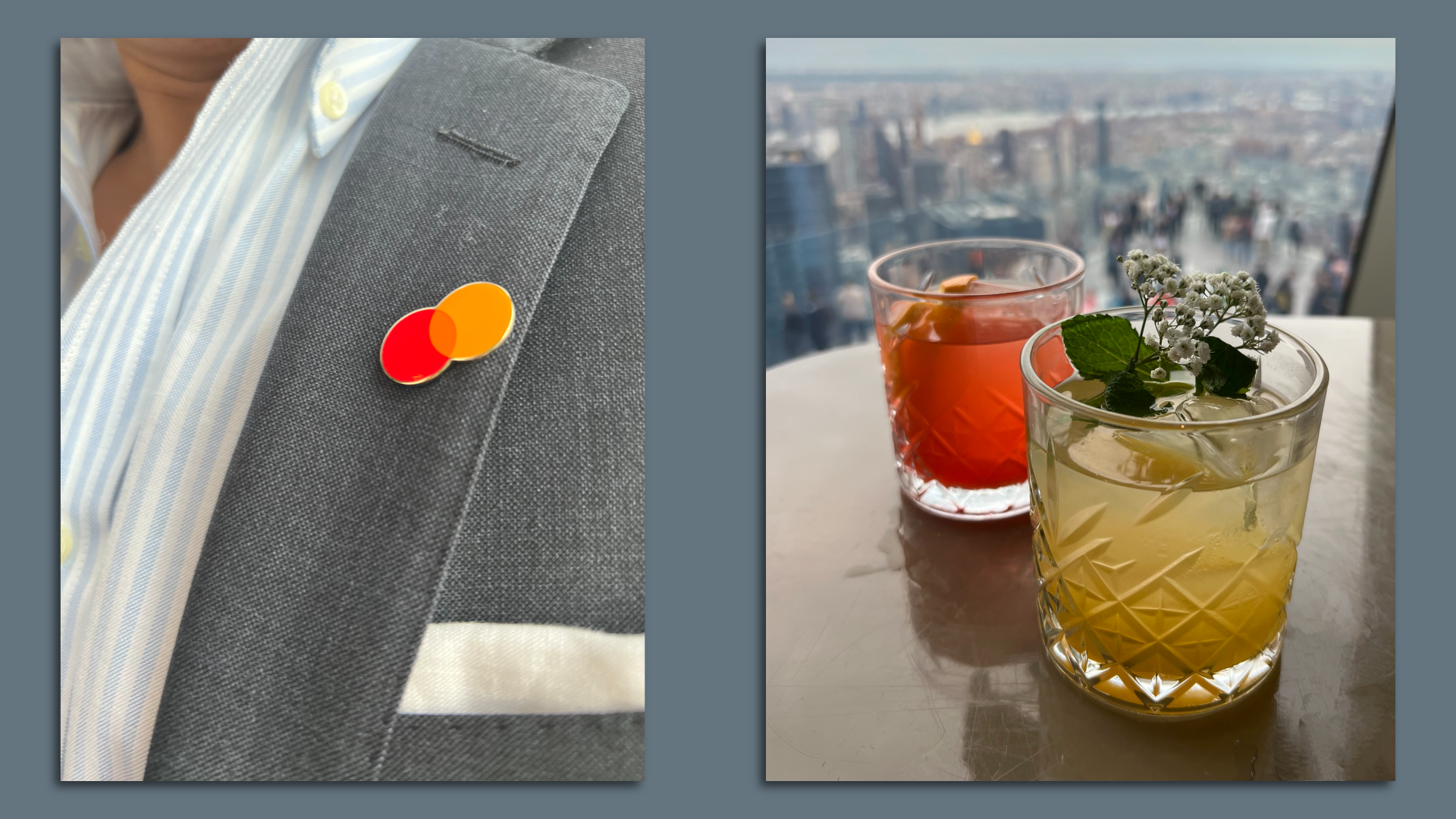
Mastercard is opening restaurants, selling perfume and cocktails in its flagship colors, and playing a signature tune at the cash register — all to engage customers' five senses with representations of its brand.
Why it matters: Multisensory marketing is a hot concept in corporate branding, as companies seek to go beyond traditional advertising and PR stunts.
Driving the news: Mastercard has been at the forefront of the multisensory branding push, rolling out initiatives aimed at conveying the scent, sound and flavor of its name and "Priceless" tagline.
- Sight: The Mastercard logo was refashioned to become more symbolic, with the company name removed and the overlapping red-and-yellow circles repositioned.
- Taste: Mastercard introduced red-and-yellow Ladurée macarons and cocktails — and it's opened half-a-dozen restaurants in New York, Hong Kong, Rome and elsewhere, with more on the way.
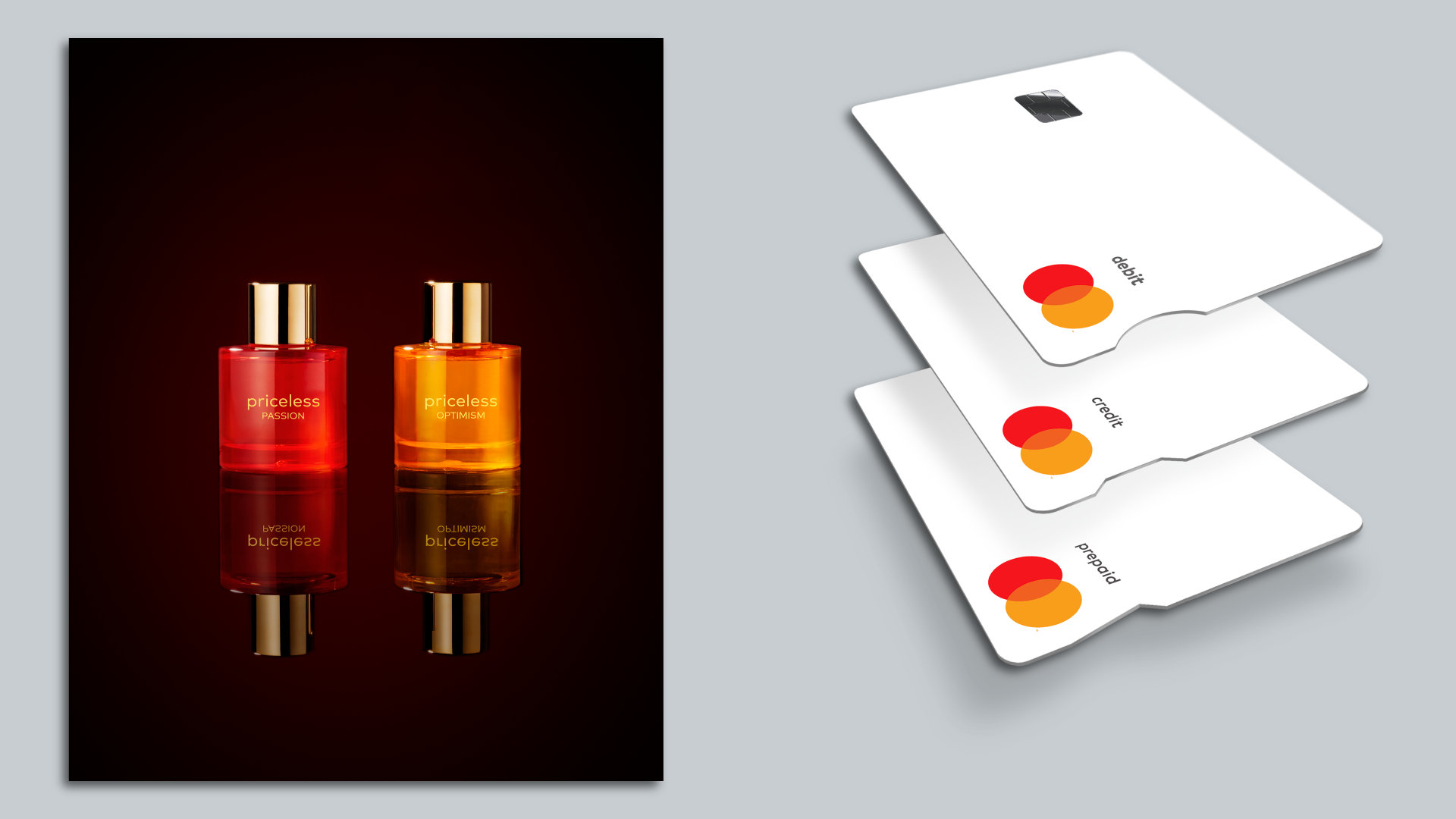
- Smell: The aroma of Mastercard is meant to be encapsulated in two fragrances, Priceless Passion and Priceless Optimism — which come in red and yellow bottles, respectively.
- Sound: Mastercard's "sonic brand" is a 1.3-second ditty that plays at 590 million point-of-sale terminals when a Mastercard transaction is completed.
- Touch: Credit, debit and prepaid cards with distinctive notches in them — known as touch cards — are aimed at people with visual impairments.
What they're saying: "The theory is that a normal human being is blessed with five senses," Mastercard chief marketing officer Raja Rajamannar tells Axios.
- "Each sense is a mechanism by which information goes into the individual's brain, [they] processes it, and then they either think, feel, act or do something with it."
- "Marketing people have only historically relied on the sense of sight and the sense of sound, and they were doing it in a highly intuitive rather than a scientific fashion."
To change that, Mastercard began evaluating its logo scientifically to find the most eye-pleasing colors and proportions.
- "We actually did study the golden ratio, and we said, 'This is the extent of overlap there has to be between the two circles,'" says Rajamannar, author of a book called "Quantum Marketing."
- His team adjusted the shades of red and yellow, and removed the Mastercard name and all heavy lines.
- The streamlined symbol "instantly became a big hit when we launched it," he says.
Zoom out: Multisensory branding has become an academic discipline in business schools — and a recognized technique among marketers.
- New York City's Fashion Institute of Technology, for example, allows students to minor in the subject — which it calls "the art and science of engaging human senses holistically."
Landor, the major branding consultancy, has also doubled down on the trend.
- "The future will embrace a multisensorial approach to brand building," Gabriel Miller, Landor's president for North America, wrote for The Drum, a marketing trade publication.
- "This means that agencies must invest in more than just design as brands are no longer confined to a visual identity alone."
- Landor, for instance, owns amp, which has created "sonic brands" for Mastercard, Mercedes-Benz, Philadelphia cream cheese, BMW and others.
Case study: American Express developed a sonic brand with Made Music Studio, an amp competitor.
- It's meant for AmEx's airport Centurion Lounges and sponsored events like Coachella and the U.S. Open.
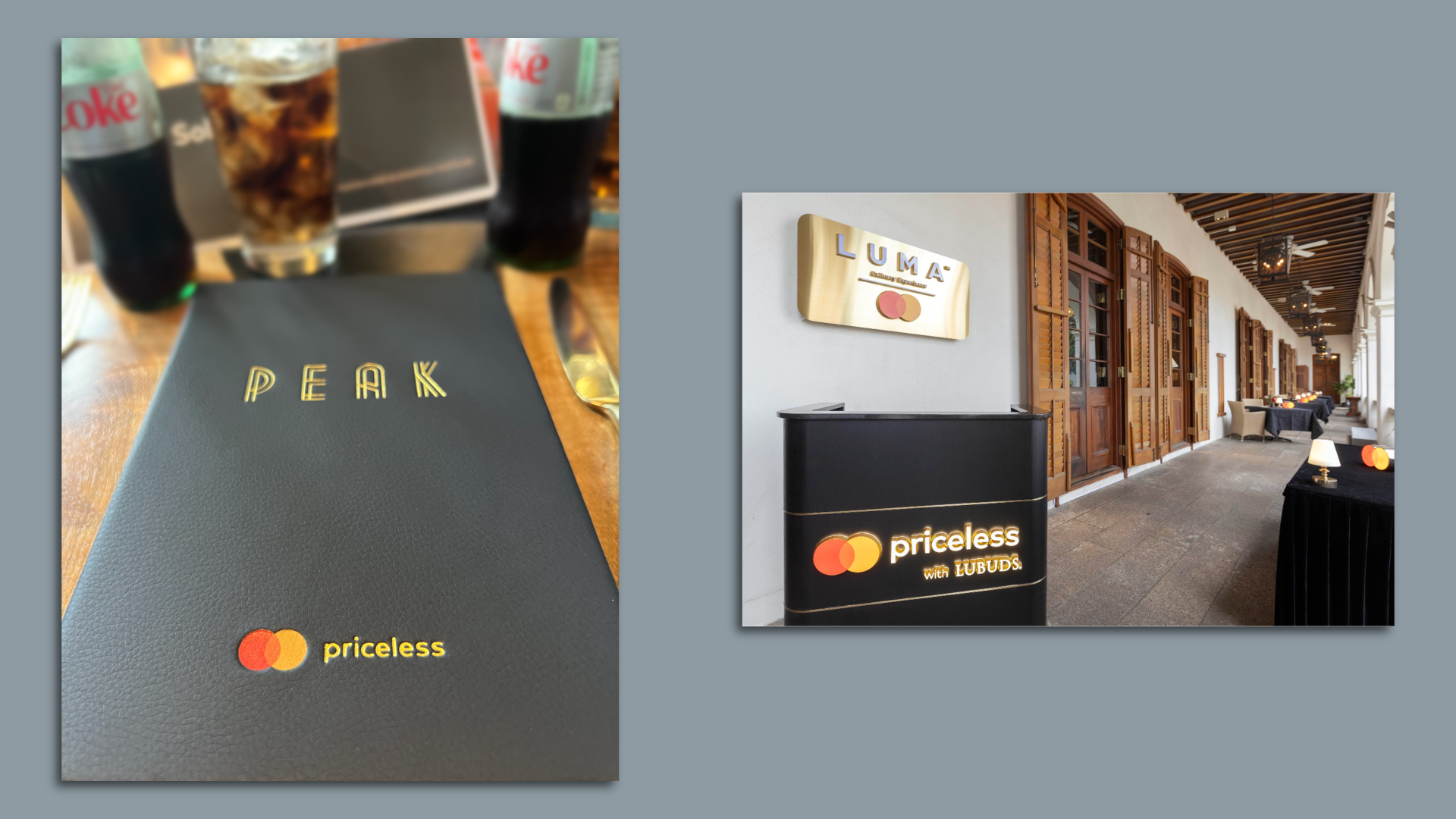
Zoom in: Mastercard recently held a media dinner at one of its half-a-dozen restaurants, Peak with Priceless, which is on the 101st floor of 30 Hudson Yards in Manhattan.
- The exquisite menu and breathtaking views are meant to evoke the kinds of experiences the "Priceless" branding campaign is based on.
What's next: Mastercard plans to get "deeper and stronger in multisensory marketing," Rajamannar says.
- "In this journey we are fairly nascent," he adds. "Many other companies haven't even figured out how to do this."
2. Tesla shareholders back Musk's pay deal



4. "The most American city"

Axios What's Next
