
Axios Vitals

February 22, 2024
Happy Thursday, Vitals readers. Today's newsletter is 843 words or a 3-minute read.
1 big thing: IVF's new legal uncertainty
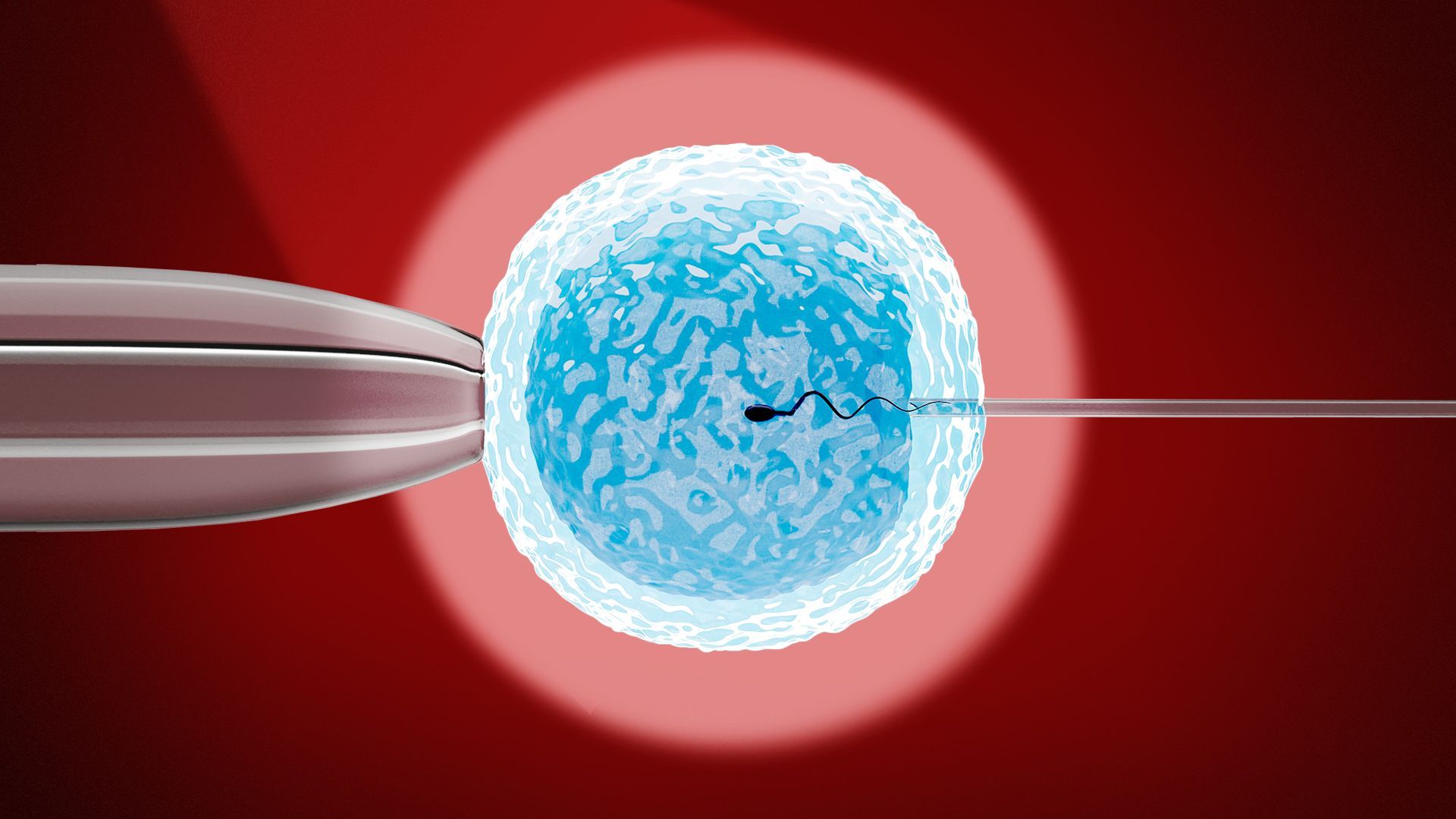
Illustration: Annelise Capossela/Axios
The Alabama Supreme Court's ruling that frozen embryos are children creates new legal murkiness around in vitro fertilization, Tina writes.
Why it matters: The ruling, the first time a court has recognized frozen embryos as human beings, raises vast legal questions in the post-Roe landscape, including how and if leftover embryos can ever be disposed of.
The big picture: Fertility providers and legal experts say the decision could create major liability risks that could drive up the costs of providing IVF services and force the industry to shutter in the state.
- The University of Alabama at Birmingham yesterday paused IVF treatments, citing uncertainty from the ruling.
- IVF advocates also worry that the ruling could encourage other states with strict abortion bans to pursue IVF restrictions.
What they're saying: The most immediate question that stems from the Alabama ruling is whether an embryo transfer that results in a miscarriage could result in penalties to providers, said Rachel Loftspring, a partner at The Family Law and Fertility Law Group in Cincinnati.
- If stored embryos are damaged as a result of a freezer malfunction, it might previously have been handled as a malpractice claim. In Alabama, it may now mean a wrongful death suit, experts speculated.
Zoom in: Clinics typically require clients to sign agreements specifying what should happen to embryos — such as whether they should be destroyed — in the event of a divorce or death of prospective parents.
- The Alabama court's interpretation of the law could essentially override those agreements, turning property disputes into custody battles, said Lindsay Heller, a family law attorney at Fox Rothschild.
- Another unsettled question is what happens if patients are no longer able or willing to pay embryo storage fees.
- "When we think about the abandonment of a kid, that's criminal. Well, what if somebody abandons an embryo?" Loftspring said.
2. Overdose epidemic's stunning reach


More than 4 in 10 Americans personally know someone who has died of an overdose, Axios' Caitlin Owens writes on a new study in the American Journal of Public Health.
Why it matters: With more than 100,000 people dying from overdoses a year, America's drug crisis has undeniably altered millions of lives. But the study suggests that the epidemic's reach into American life has, if anything, been underestimated.
By the numbers: More than 125 million Americans know at least one person who has fatally overdosed, the RAND-led study projects.
- Most who reported knowing someone who died of an overdose said they actually knew multiple people who died from drugs.
- More than 40 million adults have had their lives disrupted by overdose loss, and an estimated 12.5 million people are still feeling a "significant or devastating effect."
Although there's limited research specifically on the impact of overdose losses, traumatic bereavement in general is known to have an adverse impact on physical health, mental health and substance use.
3. MA proposal may have bipartisan appeal
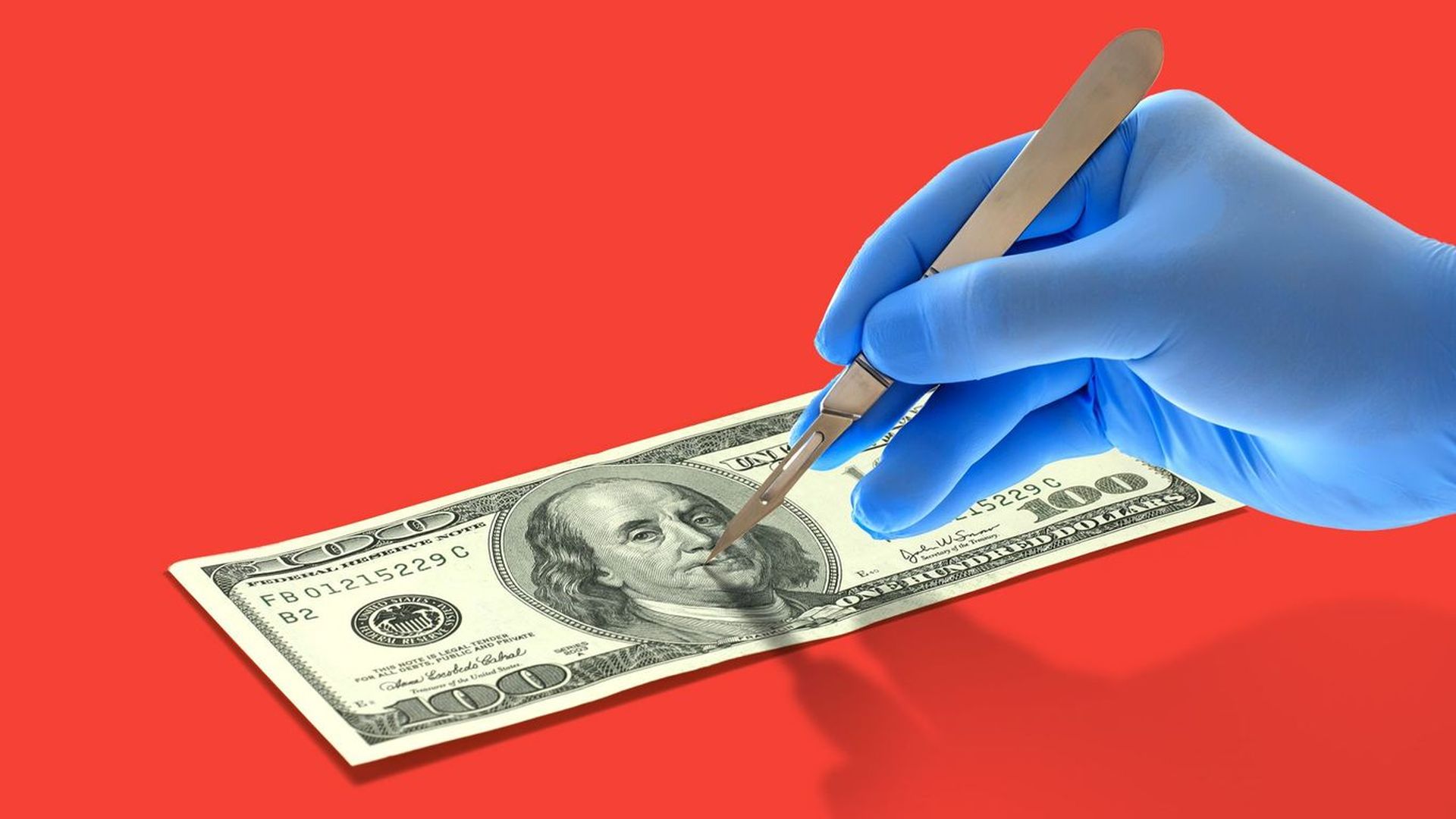
Illustration: Natalie Peeples/Axios
A right-leaning think tank led by a former Trump official is proposing a plan that would cut Medicare Advantage spending by $250 billion over a decade, or 3.3%.
Why it matters: The Paragon Health Institute plan, provided first to Axios, was developed with input from a group of health wonks across the ideological spectrum, Caitlin writes.
The big picture: Its measured proposals contrast with more sweeping approaches to overhauling MA and traditional Medicare, and it comes amid growing criticism of MA costs and business practices.
- The paper frames MA as a positive free-market alternative to traditional Medicare and suggests proposals for addressing flaws in the program's financing.
What they're saying: "There will be quibbles with individual proposals in their paper, but certainly there's much in here with bipartisan appeal (and bipartisan opposition, as Congress hasn't shown much willingness to limit MA overpayments since the ACA's passage)," said the Brookings Institution's Loren Adler in an email.
If you need smart, quick intel on health care policy for your job, get Axios Pro.
4. Burnout worse for women health workers

Illustration: Shoshana Gordon/Axios
Health care's big burnout problem is significantly worse for women working in the field than men, Maya writes on a new comprehensive review of research on health care worker wellbeing.
Why it matters: Burnout pushes some exhausted health care workers out of the industry, and it can also increase the risk of medical errors that put patients in danger.
- Women account for about 3 in 4 health care jobs in the United States.
What they found: George Washington University researchers reviewed 71 studies from across 26 countries over more than four decades.
- Lack of control over work, family caregiving responsibilities and gender inequality were recurring factors cited in those studies.
5. Catch up quick
💰 The Biden administration will invest $100 million in women's health research as part of a new White House initiative. (Axios)
🖥️ Health tech giant Change Healthcare said there was a cyberattack on its systems. (TechCrunch)
⌚️ Smartwatches or smart rings that claim to measure blood glucose levels without piercing the skin should not be used, the FDA is warning consumers. (Reuters)
🏛️ The latest effort to pursue single-payer health care in California is a "tough sell" amid the state's budget deficit. (Los Angeles Times)
Thanks for reading Axios Vitals, and to health care editor Jason Millman and copy editor Cindy Orosco-Wright. Please ask your friends and colleagues to sign up.
Sign up for Axios Vitals

Healthcare policy and business analysis from Tina Reed, Maya Goldman, and Caitlin Owens.


