Axios Vitals

August 17, 2026

Mondays in August, right? Today's newsletter is 778 words, a 3-minute read.
1 big thing: Prior authorization gets automation boost

One of health care's biggest administrative hassles — waiting for an insurer's approval for doctor-ordered care — is on the verge of getting a technological fix.
Why it matters: The federal government's long-promised effort to modernize prior authorization is beginning to show up in the software doctors use every day.
Driving the news: Electronic health records giant Epic tells Axios it's rolling out a new tool that immediately flags doctors if a procedure needs a health plan's check-off.
- The company is going live months ahead of a Jan. 1 deadline with data from UnitedHealthcare, Aetna and Network Health. Another 16 insurers are testing the system.
- Clinicians at Ochsner Health, Froedtert ThedaCare Health, Denver Health and Summit Health are among the first to gain access.
The big picture: Health systems now largely rely on their own lists of insurer requirements or seek them out when circumstances dictate. Automation means services not requiring pre-treatment review can begin immediately.
- Epic's move stems from a 2024 CMS rule requiring insurers to provide data in a way that can be easily used to determine prior authorization requirements.
Between the lines: Prior authorization remains a target for scrutiny amid complaints that government and industry streamlining efforts haven't eliminated hurdles for patients and doctors.
- Insurers turned down at least 1 in 8 requests for prior authorization last year in Medicare Advantage, Medicaid managed care and Affordable Care Act marketplaces, a new KFF analysis found.
Reality check: Simply knowing when prior authorization is required doesn't eliminate having to go through the reviews or ensure that care will be delivered faster.
- The system is only as useful as the information the payers feed into it. Insurers have faced long-standing problems keeping provider directories and other basic information up to date, raising questions about whether flawed data could snag the streamlining efforts.
2. Why prescription drug prices are plunging


America is experiencing its biggest prescription drug price deflation in generations.
Why it matters: By one important measure, there is a striking reversal underway for one of health care's most stubbornly expensive necessities amid a major Washington push to lower drug costs.
By the numbers: Prescription drug prices fell 0.8% in July and are down 3.1% from a year ago — the steepest annual decline in more than six decades, according to the recent Consumer Price Index.
- Prices haven't risen in any month this year, an unusually persistent stretch of flat or falling drug prices.
- The downward trend comes as costs for hospital and physician services continue to rise.
The intrigue: Trump administration officials are taking a victory lap for the price drop, although TrumpRx — the administration's website connecting patients with discounted cash prices for certain drugs — likely only accounts for part of the decline.
- Another potential factor: Medicare negotiations established under the Inflation Reduction Act took effect in January for 10 of the program's costliest drugs, with negotiated prices as much as 79% below their list prices.
What we're watching: Falling prices in the aggregate do not necessarily translate into relief for consumers, given the complexity of drug pricing and payments.
3. Trump team tells GOP to lean in on health care

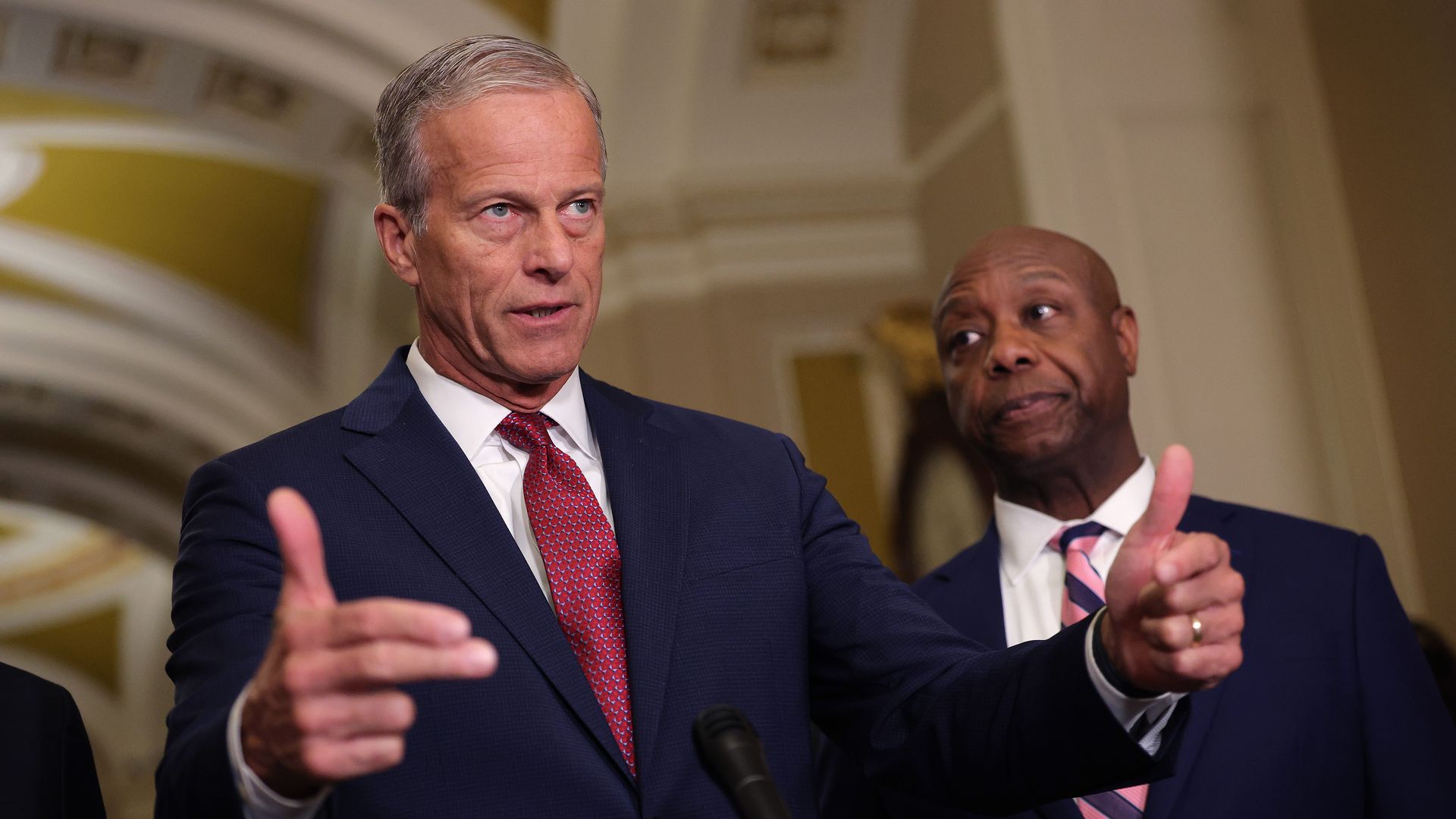
President Trump's top political hands had some surprising advice for Senate Republicans as they left for August recess: Talk more about health care.
Why it matters: Trump and the MAGA base are fixated on the voter-ID and proof-of-citizenship SAVE Act. But Republican message testing from Trump's own pollster suggests candidates are better off focusing elsewhere.
Driving the news: Top Trumpworld campaign officials, including James Blair, pollster Tony Fabrizio and Senate Leadership Fund executive director Alex Latcham, briefed senators and aides Aug. 5 on the midterms.
- One of the strongest potential campaign messages is going after health insurers, according to slides viewed by Axios.
Republicans had a 46-point advantage when calling for greater transparency around insurers' profits, claim denials and wait times for patient care while hitting Democrats for "lining insurers' pockets."
Between the lines: Health care has long been a weakness for Republicans. The decision to let enhanced Affordable Care Act tax credits expire last year was broadly unpopular.
- Now, Republicans see an opening to go on offense by making insurance companies the enemy.
4. While you were weekending
🥬 FDA investigators traveled to Taylor Farms' operation in Mexico for the first time to inspect facilities linked to the largest cyclospora outbreak in the U.S. (WashPost)
⚖️ A federal judge ruled Idaho can't ban abortion when the pregnancy threatens a woman's health. (Idaho Statesman)
⚕️ Nebraska's Medicaid director resigned as the state became the first to implement more aggressive work requirements. (Nebraska Examiner)
Thanks for reading Axios Vitals, and to editors Adriel Bettelheim and copy editor Matt Piper. Please ask your friends and colleagues to sign up.
Sign up for Axios Vitals