Axios Vitals

April 20, 2026


Welcome back, Vitals gang! Today's newsletter is 1,130 words, a 4.5-minute read.
⚡️ Join Axios Live in Washington, D.C., on Wednesday at 7:30am ET for an event examining access to specialty care with Rep. Greg Murphy (R-N.C.), Rep. Kim Schrier (D-Wash.) and No Patient Left Behind executive director Priscilla VanderVeer. RSVP.
1 big thing: Drug ads in the crosshairs
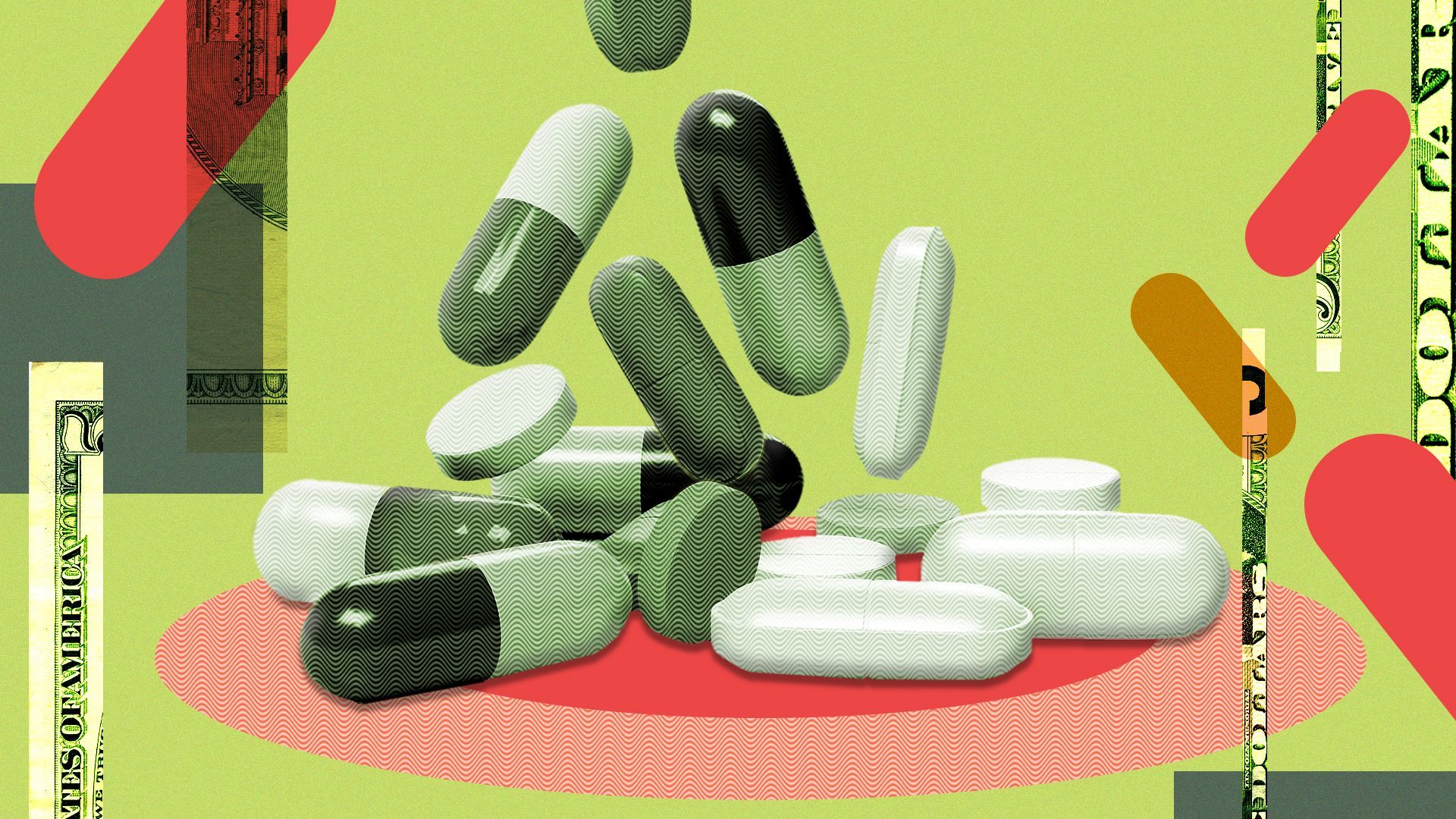
Prescription drug commercials are facing renewed scrutiny as the Trump administration and lawmakers from both parties seek new controls on ads that account for more than $10 billion in annual spending.
Why it matters: The U.S. and New Zealand are the only countries that allow direct-to-consumer pharmaceutical advertising, which critics blame for promoting unnecessary drug use and driving up health costs.
- But any policy shifts will likely face strong industry resistance and could collide with free speech concerns.
Driving the news: The FDA, in its 2027 budget request this month, asked Congress to give it new authority to crack down on drug ads that lack "fair balance" on the benefits and risks of taking a product.
- The agency wants to address messages that are "frequently misleading and confusing to consumers and patients," per the budget document.
- The FDA has already sent thousands of warnings to manufacturers over ads it deemed "misleading" and moved to close a loophole allowing certain side effects to be listed on a linked website instead of in the ad itself.
- Sens. Roger Marshall (R-Kan.) and Dick Durbin (D-Ill.) urged the agency late last month to use its existing powers to require certain drug ads to undergo reviews before they can be shown.
Between the lines: The FDA cites a 2024 review in the Journal of Pharmaceutical Health Services Research that found only 33% of drug industry social media posts mention potential harms.
- It says 88% of advertisements for top-selling drugs posted by individuals and organizations don't comply with its fair balance guidelines.
- The agency also is grappling with more advertising from telehealth companies that promote prescription drugs without warnings or risks, including hundreds of advertisements for controlled substances.
Yes, but: There are legal questions about whether some of the moves would infringe on First Amendment free speech protections.
- Some legal experts say last month's Supreme Court decision that therapists' conversations with patients are constitutionally protected speech showed how justices are approaching First Amendment issues in a health care context.
2. Trump order boosts psychedelic drugs
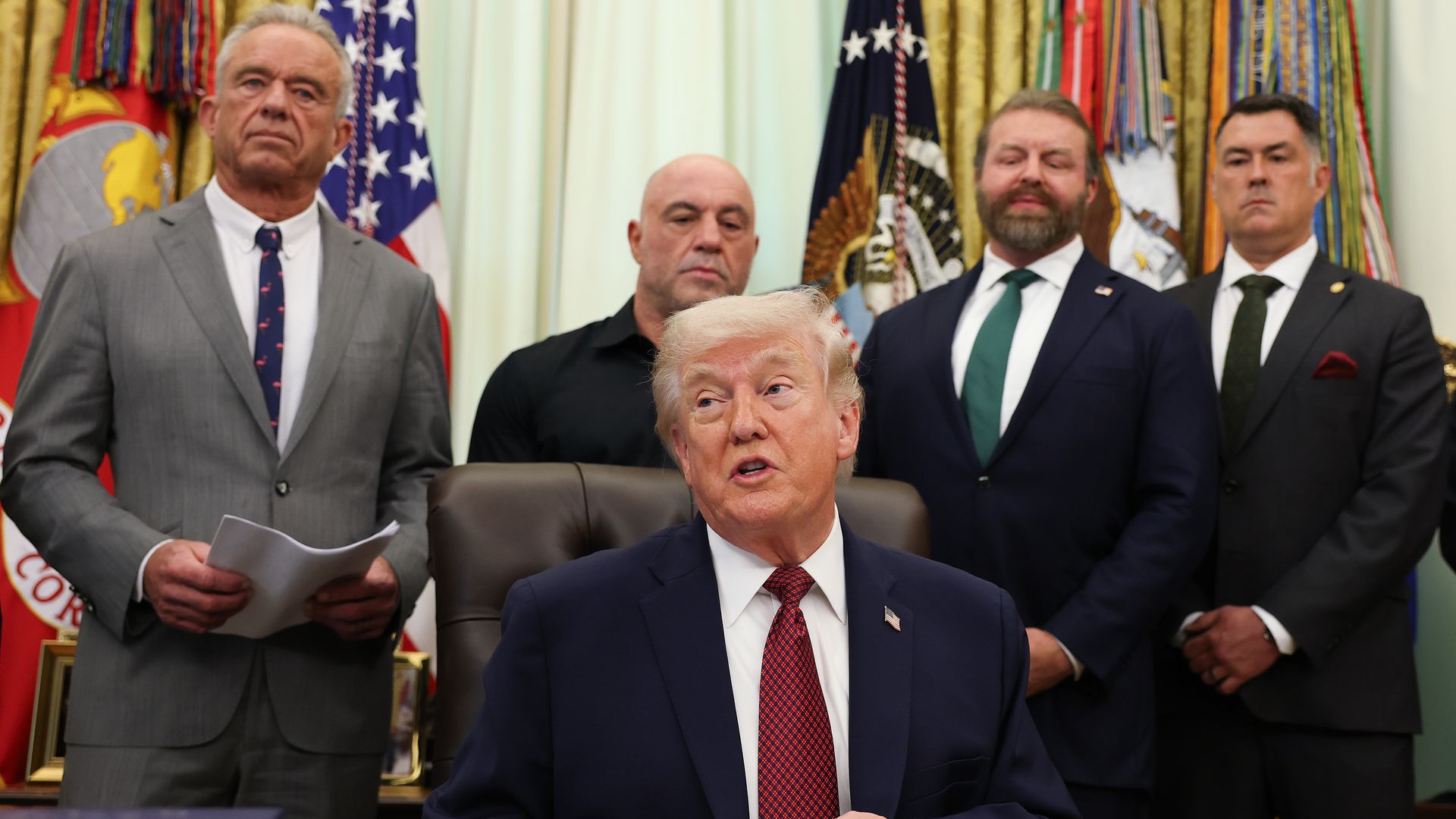
President Trump on Saturday ordered the administration to speed reviews of certain psychedelic drugs, including ibogaine compounds that have been promoted as alternative mental health treatments but are now classified as having no accepted medical use.
Why it matters: It's the strongest endorsement yet of alternative therapies that veterans groups have campaigned to take mainstream.
Driving the news: Trump's order directs the FDA to issue priority vouchers that cut review times to psychedelics designated "breakthrough therapies."
- It also targets $50 million for psychedelics research and lays the groundwork for human clinical trials.
Between the lines: Trump was joined in the Oval Office by podcaster Joe Rogan, who said he texted Trump about ibogaine's benefits.
- "The text message came back: 'Sounds great. Do you want FDA approval? Let's do it.' It was literally that quick," Rogan said.
- Ibogaine, which is derived from a plant native to Africa, is offered in clinics in Mexico that have become destinations for some veterans who have suffered traumatic brain injuries.
Yes, but: The Schedule I controlled substance can trigger serious heart problems, which prompted NIH to discontinue research in the 1990s.
- "It's been incredibly difficult to study ibogaine in the U.S. because of its known cardiotoxicity," Frederick Barrett, director of the Johns Hopkins Center for Psychedelic and Consciousness Research, told AP.
- "If the executive order can pave the way for doing objective, scientific research with this compound, it would help us understand whether it is truly a better psychedelic therapy than others."
3. New Alzheimer's drug controversy

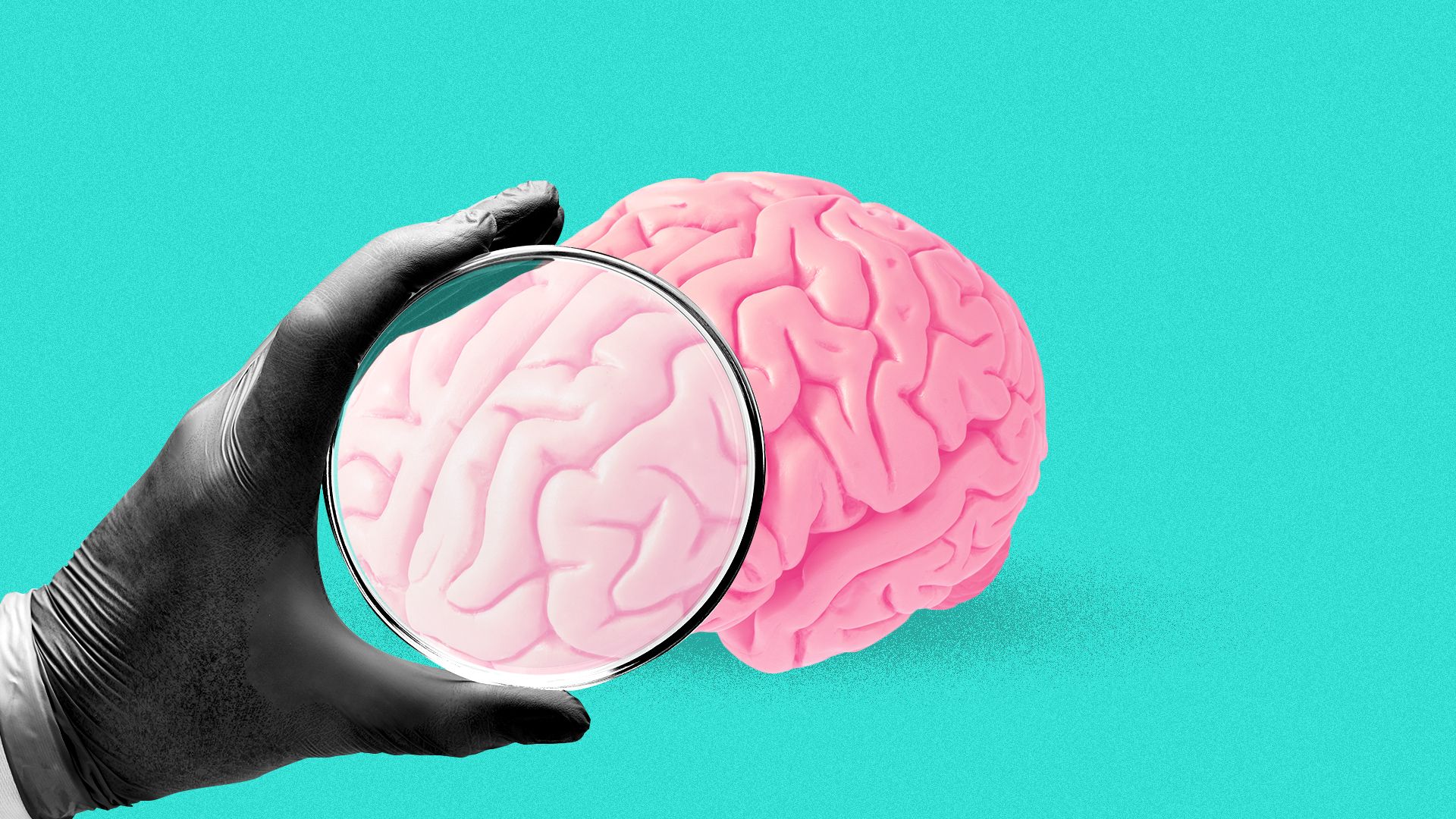
A new review of 17 clinical trials is rekindling a heated debate over whether Alzheimer's drugs that target proteins in the brain known as amyloid plaques deliver a clear benefit to patients.
Why it matters: While the highly touted drugs are effective at slowing the progression of the disease, their commercial success hinges on whether the medical establishment and insurers find they're worth the cost and safety risks.
Driving the news: The review by Cochrane, a network of health researchers, concluded the drugs have no clinically meaningful effects, while increasing the risk of bleeding and swelling in the brain.
- The effects on cognitive decline and the severity of dementia were "absent or trivial," falling well below established thresholds for making a meaningful difference, the review concluded.
- Cochrane said that future Alzheimer's research should focus on other pathways to address a dreaded condition that afflicts nearly 7 million people in the U.S.
The other side: Some researchers say the review was flawed and combined failed drugs with two FDA-approved treatments: Eisai and Biogen's Leqembi and Eli Lilly's Kisunla.
What's next: The U.K.'s health spending watchdog is reviewing a prior decision not to allow those two drugs on the country's National Health System on cost grounds.
4. OpenAI launches new model for life sciences

OpenAI is offering a new series of AI models aimed at helping life sciences researchers work faster.
Why it matters: Research is increasingly computational, but scientists are drowning in data across fields like genomics, protein analysis and biochemistry.
By the numbers: Right now it takes roughly 10 to 15 years to go from target discovery to regulatory approval for new drugs in the U.S., according to OpenAI.
- Only one in 10 drugs entering clinical trials ultimately gets approved.
The big picture: OpenAI designed the first life sciences model — GPT-Rosalind — to be better at fundamental reasoning in fields like biochemistry and genomics, according to Joy Jiao, OpenAI's life sciences research lead.
- The company says the models won't replace scientists, but rather help them move faster through some of the most time-intensive and analytically demanding work of the scientific process.
- While there's an industry-wide effort to reduce AI hallucinations overall, OpenAI said its new models are designed to synthesize evidence, generate hypotheses, and support analysis — not replace expert judgment or real-world validation.
Fun fact: The model is named after British chemist Rosalind Franklin, whose research helped reveal the structure of DNA.
5. While you were weekending
🥼 The number of competitive grants awarded by NIH is down by more than half compared with a year ago, including fewer for women's health, cancer and mental health. (WashPost)
💉 An mRNA vaccine for pancreatic cancer showed lasting results in an early trial, raising hopes for patients with one of the deadliest cancers. (NBC News)
⚕️ The Texas Medical Board sanctioned three doctors whose patients died after receiving delayed or inappropriate care under the state's abortion ban. (ProPublica)
Thanks for reading Axios Vitals, and to editors Adriel Bettelheim and David Nather and copy editor Matt Piper. Please ask your friends and colleagues to sign up.
Sign up for Axios Vitals