Axios Vitals

August 10, 2026


Welcome back, Vitals gang. Today's newsletter is 820 words, a 3-minute read.
1 big thing: We'll likely never know how COVID started

More than six years after COVID swept the world, there's still no definitive answer about its true origins — and likely never will be.
Why it matters: For all of the political vitriol and intelligence disputes over the topic, missing evidence means the debate over whether it jumped from animals to humans or came from a lab may never be satisfyingly settled.
- That lack of closure could breed more recriminations and institutional distrust.
Driving the news: The Senate Homeland Security Committee's legal battle against former top infectious disease official Anthony Fauci has brought COVID's origins roaring back into the political sphere.
- The committee subpoenaed Fauci to answer questions at a hearing about how the pandemic began only to see him invoke his Fifth Amendment rights, citing Chairman Rand Paul's desire to see him imprisoned.
- The committee voted along partisan lines last week to hold Fauci in contempt of Congress. Paul (R-Ky.) then referred the matter to the Department of Justice.
The big picture: There have been numerous assessments over the past six years of whether COVID jumped naturally from animals — potentially in a Chinese wet market — or was the product of a leak from a Chinese lab.
- But the conclusions use language like "suggests" or "likely" or "probable," building cases through the biology of the virus, declassified intelligence reports and other circumstantial evidence. There's never been an identified "case one" — the first infected person — to help settle the matter.
- Though the lab leak theory has gained traction in recent years, it will remain just a theory unless more clear-cut information about what happened to whom and when emerges.
Between the lines: A big part of the furor on the political right is over Fauci's alleged role in downplaying the lab leak theory.
- The idea of COVID escaping a virology lab in Wuhan, China, was at first dismissed by most of the scientific establishment and the media.
But its credibility has grown over time.
2. Health care hiring shows signs of tailing off
Health care isn't powering the labor market as much as usual this summer, adding 22,000 jobs in July — below its 36,000 average monthly gain over the past year.
Why it matters: The cooling trend seen in the latest government jobs report reflects broader post-pandemic shifts away from hospital care and toward outpatient services and residential care facilities.
Driving the news: Ambulatory care accounted for the lion's share of the health sector's gains in July, with 18,100 jobs added, the Bureau of Labor Statistics reported Friday.
- Home health services added 4,600 positions, while physicians' offices added 4,200.
- Nursing and residential care facilities accounted for another 4,300.
- Meanwhile, hospitals lost a net 400 positions after adding nearly 10,000 in June.
The big picture: Health care's upward trend remains a bright spot in a weakening job market that's seen surprisingly big losses in local education while retail trade and financial sector firms also pull back.
- The Labor Department said that employment in May and June was a combined 103,000 lower than initially estimated.
- Demographic shifts as baby boomers age are likely to continue driving demand for skilled, high-wage health roles, such as physicians and nurses.
What we're watching: Whether cuts to federal health programs, AI automation and rising costs make health systems and other employers level off hiring for lower-wage positions over the rest of the year.
3. FDA advisers to evaluate cancer blood test
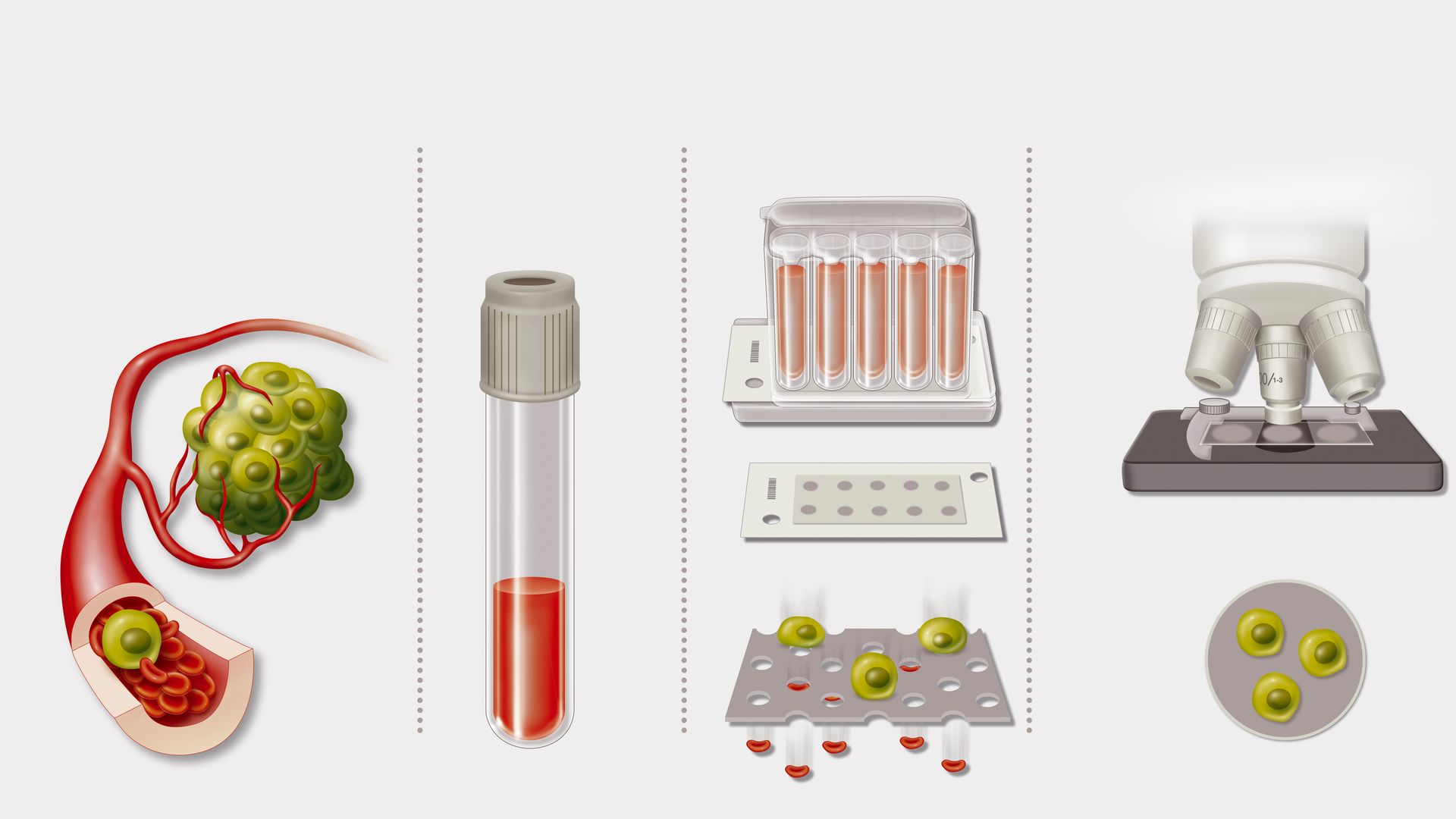
FDA advisers are due to meet next month to discuss what would be the first agency approval of a blood test that screens for multiple types of cancer.
Why it matters: Consumers can already buy so-called MCED tests for as much as $1,000, but an FDA green light would likely pave the way for coverage by Medicare and most private insurers.
Driving the news: FDA advisers will meet Sept. 23 to evaluate Grail's Galleri test, which was designated a breakthrough device in 2018 and competes with multiple other tests.
How it works: The tests check blood samples for pieces of DNA, RNA or proteins shed by abnormal cancer cells.
- They don't diagnose cancer and aren't intended to replace screenings like mammograms, colonoscopies and Pap tests.
- Grail says its product can detect more cancers before symptoms appear. But a trial with Britain's National Health Service failed to show a significant reduction of late-stage cancer cases, BMJ reported in February.
4. While you were weekending
🫀 The failure of a Novo Nordisk heart drug is raising questions about whether inflammation is a cause or just a sign of atherosclerosis. (NYT)
🦠 NIH director Jay Bhattacharya said public trust in health officials has dropped due to the Biden administration's pandemic response and how the media covered the virus. (Politico)
🤖 Researchers say their new AI-designed virus could protect against drug-resistant bacteria, despite security concerns. (WSJ)
Thanks for reading Axios Vitals, and to editors Adriel Bettelheim and David Nather and copy editor Matt Piper. Please ask your friends and colleagues to sign up.
Sign up for Axios Vitals