Axios Vitals

November 20, 2025



Hello, Thursday! Today's newsletter is 1,147 words or a 4.5-minute read.
1 big thing: The health impact of Trump's new "public charge" rule

The Trump administration is proposing to weigh immigrants' use of programs like Medicaid or SNAP, as well as other public benefits, when determining if they should get permanent residency.
Why it matters: The proposal is another case of the administration putting public health on a collision course with immigration policy.
Driving the news: A homeland security proposal published this week lays out a new version of a "public charge" policy, which was expanded during Trump's first term and then rolled back during the Biden years.
- Critics say the latest effort, if finalized, could further discourage the use of health, nutrition and housing services after the GOP reconciliation package limited legal immigrants' access to health insurance.
State of play: The Department of Homeland Security on Monday said the policy could save nearly $90 billion over a decade as people unenroll from or skip out on public programs.
- The 140-page rule seeks to override previous policies that outlined which public benefits could disqualify immigrants from getting a green card, instead leaving decisions to the discretion of individual immigration officers on a case-by-case basis.
- Limiting criteria goes against congressional intent, DHS wrote. The change could mean that officers also consider use of services beyond Medicaid, like getting care at a community health center, when looking at green card applications, legal experts told Axios.
- DHS acknowledged in the proposal that the policy could lead to worse health outcomes, like increased prevalence of obesity and communicable diseases.
- Emergency room doctors are concerned that more people will skip primary and preventive care, leading them to get care only in ERs.
Between the lines: The proposal comes after the State Department reportedly concluded this month that it can deny visas to the U.S. based on an applicant's health conditions, including obesity and diabetes.
- HHS this year also prohibited community health centers from serving undocumented immigrants, though the move is being challenged in court.
DHS spokesperson Matthew Tragesser said in a statement to Axios that the proposed rule restores officers' broader discretion.
- It promotes self-reliance and the idea that "government benefits should not incentivize immigration," he said.
2. Chances for ACA subsidy extension mostly dead


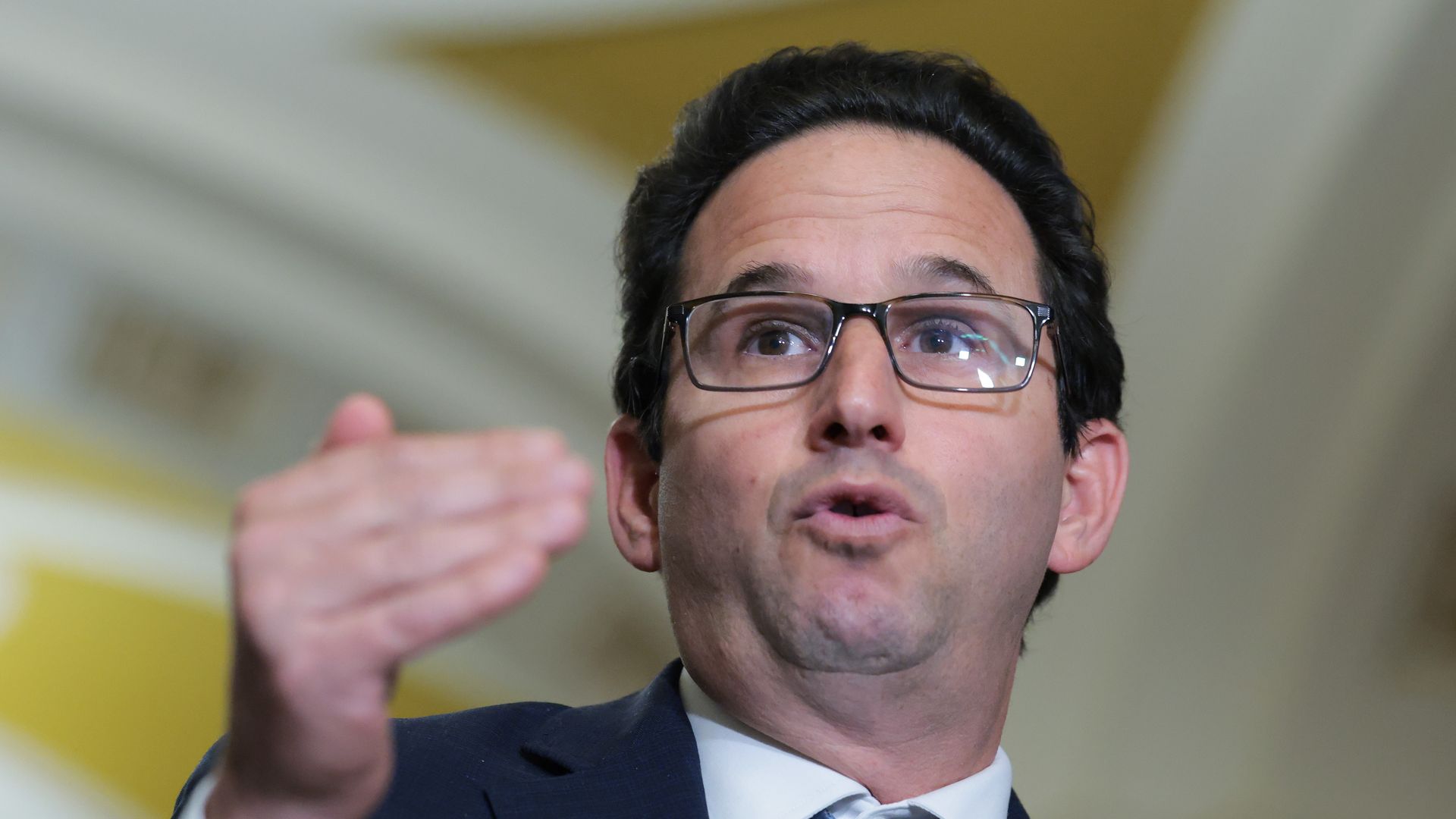
Lawmakers are losing hope for a deal to extend the Affordable Care Acts's enhanced subsidies, with leaders in both parties admitting the odds of a bipartisan deal are slim to none.
- Sen. Brian Schatz (D-Hawai'i), a leadership member, said yesterday that it "seems imaginary" that Republicans can find 13 votes to extend ACA tax credits.
Why it matters: The Senate will vote next month on extending the subsidies, which cover 22 million people and expire at the end of the year. But Republicans are uniting against an extension, with Trump pushing against it. That leaves Democrats arguing among themselves over what to do next.
- Sen. Bernie Sanders (I-Vt.) proposed this week that Democrats unite around a package that would repeal $1 trillion in GOP health care cuts, expand Medicare and lower prescription drug prices, Axios first reported.
- Moderates want to pursue a proposal that could pick off some Republican support and, against all odds, pass the Senate.
- A Senate Finance Committee hearing on the issue yesterday descended into familiar partisan sparring, and there have not been productive bipartisan talks behind the scenes so far.
The bottom line: Sen. Shelley Moore Capito (R-W.Va.), also a member of leadership, told reporters she expects a side-by-side vote on dueling health care bills next month.
- "We're going to settle on a package of our own," she said, adding, "rather than trying to get a bipartisan vehicle right now. I don't see that happening."
3. Exclusive: Dems want more drug negotiations

Top House Democrats today are due to unveil a plan to expand Medicare drug price negotiations in a bid to lower health costs.
Why it matters: The measure has no chance of being passed in this Congress, but it serves as a marker of where Democrats could go if they flip control of the House in the midterms.
What's inside: The measure from Reps. Frank Pallone (N.J.), Richard Neal (Mass.) and Bobby Scott (Va.), the top Democrats on the three House committees that handle health care, would increase the number of drugs Medicare can negotiate from 20 to 50 each year.
- It would notably extend the prices that the government negotiates with drugmakers beyond Medicare to the private insurance market.
- The plan would similarly extend the Inflation Reduction Act's $2,000 cap on annual out-of-pocket drug costs and $35 per month cap on insulin costs to people with private insurance.
- It would undo a provision in Republicans' budget law this year that exempted more "orphan" drugs for rare diseases from Medicare drug price negotiation.
- In a nod to President Trump's efforts to address international pricing parity, the bill would also require the health secretary to consider the price of a drug in other developed countries while negotiating the U.S. price.
4. New COVID guidelines aren't swaying the public


The Trump administration's dialed-back guidance on COVID-19 vaccines hasn't significantly changed Americans' willingness to get the shots heading into respiratory virus season, a Pew Research Center survey found.
The big picture: Most of the public either hasn't heard about the CDC's new recommendations emphasizing personal choice or says it won't affect their decisions.
- Almost 6 in 10 say they don't want an updated COVID-19 shot — roughly the same share as a year ago. But there remains a big partisan divide on the merits of vaccination.
By the numbers: Pew found 44% of U.S. adults haven't heard about the CDC's September decision to scrap guidelines that virtually everyone should get a COVID-19 vaccine, recommending instead that they consult with a health care provider to determine whether the vaccine is right for them.
- Americans over age 50 and Democrats were likelier than other groups to have heard about the changes.
- 63% of those who have heard about the changes said the new guidance had no influence on their decision whether to get an updated vaccine, while 24% said the changes had a minor influence and 12% said they've had a major influence.
About half of younger Americans under 30 who are familiar with the new policies said the changes had at least a minor influence, compared with 36% of those 65 and older.
5. Catch up quick
🤔 Some health insurers are reconsidering their involvement in Medicaid managed care, in light of program cuts from the GOP budget law and rising health costs. (Modern Healthcare)
🏛️ Robert F. Kennedy Jr. confidant Calley Means is taking a permanent post in the administration to be a bridge between the "Make America Healthy Again" movement and Trump's MAGA coalition. (WSJ)
⚕️ For at least the next 12 years, rural areas will continue to have only about two-thirds of the primary care doctors they need, a report finds. (Stateline)
Thanks for reading Axios Vitals, and to editors Adriel Bettelheim and David Nather and copy editor Matt Piper. Please ask your friends and colleagues to sign up.
Sign up for Axios Vitals