Axios Vitals

January 14, 2026

Good morning. Today's newsletter is 1,062 words, a 4-minute read.
1 big thing: Health deal may move without ACA aid
Congressional negotiators are working to revive the health care deal that was dropped from a government spending package in late 2024 — but the odds of resurrecting enhanced Obamacare subsidies as part of the effort appear dire.
Why it matters: Long-stalled bipartisan priorities that are in play include an overhaul of pharmacy benefit manager practices, as well as a measure that would place more controls on Medicare outpatient spending.
- They'd likely be combined with a renewal of health programs due to expire Jan. 30, including certain Medicare telehealth flexibilities and funding for community health centers.
Driving the news: Leadership and health committees in both parties have quietly swapped offers on a package over the past week while attention was primarily focused on the fight over expired Affordable Care Act tax credits.
- Democrats included a three-year extension of the ACA subsidies in their latest offer knowing that GOP leadership is likely to reject it, sources said.
- That would still leave intact most of the health care deal that was destined to ride on a government funding package before it was scuttled at the last minute by Elon Musk and then President-elect Donald Trump.
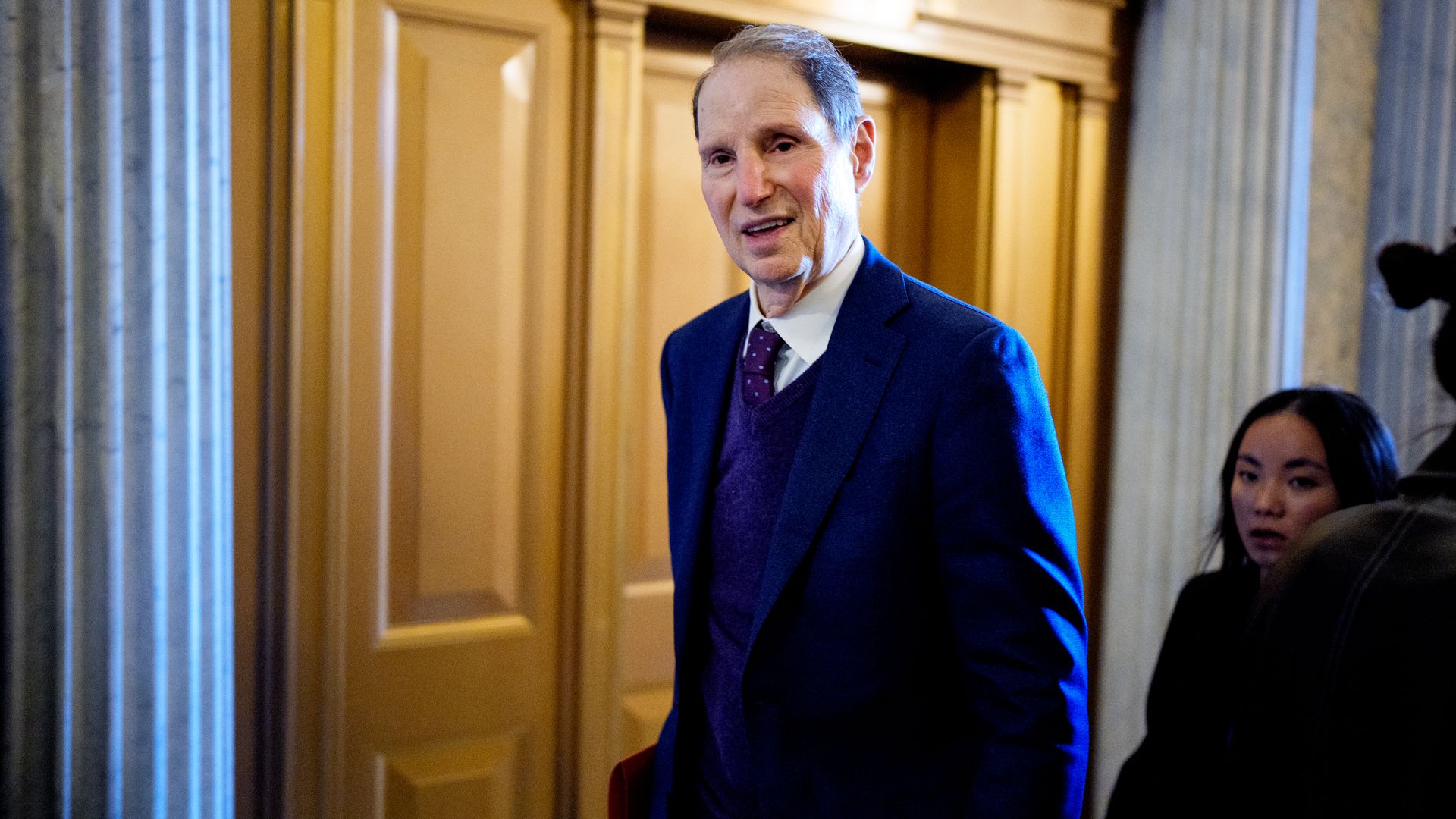
What we're hearing: Asked about the likelihood of a health package without the ACA subsidies, Senate Finance Committee Ranking Member Ron Wyden (D-Ore.) pointed to the overwhelming 26-0 vote in his committee for the PBM overhaul in 2023.
- "I'm not going to negotiate with myself but the reality is I think a 26-0 vote in the Senate ... it's like unheard of," Wyden told Axios, adding he is "feeling upbeat" about getting the PBM bill over the finish line.
- Senate Finance Chairman Mike Crapo (R-Idaho) also told Axios he is "feeling optimistic" about the PBM bill, saying there is "broad support here and at the White House."
- That measure includes provisions like "delinking" the price of a drug from PBM compensation in Medicare Part D.
The prospective package would also include a measure that would require off-campus hospital outpatient departments to have a unique identifier number.
- It's a cost-saving measure designed to prevent outpatient departments from billing payers at higher amounts associated with full-service hospitals.
2. Exclusive: Kidney donations dip amid scrutiny


The number of available donor kidneys from people who just died declined for the first time in more than a decade last year, according to a new analysis of national data by the Kidney Transplant Collaborative.
Why it matters: The drop comes after thousands of people have removed themselves from U.S. organ donor registries amid renewed scrutiny of the transplant system, including reports that organs were being removed while donors still showed signs of life.
- Kidneys are the most-needed organs in the U.S. Some 94,000 people in the country are waiting for a kidney transplant at any time.
What they're saying: "This reversal will cost lives, as fewer donated organs mean fewer lifesaving transplants for Americans who urgently need them," the Association of Organ Procurement Organizations told Axios. The group didn't take part in the analysis.
State of play: The number of deceased kidney donors dipped from 15,937 in 2024 to 15,274 last year, driving a slight decrease in year-over-year kidney transplants.
The number of kidneys recovered from deceased donors declined starting in June, per the analysis.
- A Senate investigation released that month raised serious patient safety concerns surrounding transplantation, citing examples of inappropriate conduct and conflicts of interest among organ procurement organizations.

3. Working family's health spend nears $4,000
The typical American working family spends nearly $4,000 per year on health care, including their share of insurance premiums and out-of-pocket costs, according to a new analysis by the Center for Economic and Policy Research.
Why it matters: That's just the median amount, and plenty of families pay thousands more. But it goes a long way in explaining why health care is at the forefront of voters' "affordability" concerns.
Details: The study used Census data from 2024 and defines "working families" as those with at least one worker between the ages of 18 and 64.
- This means it includes families that get their insurance from employers, the Affordable Care Act marketplaces and Medicaid.
The big picture: There's huge variation in how much families pay for health care, and the burden of that spending depends on their income.
- As a result, it makes sense to look at spending as a dollar amount and as a percentage of income.
- The report classified families that spend more than 10% of their before-tax family income on health care as being "cost burdened."
By the numbers: More than 1 in 8 working families were cost-burdened in 2024, per the report.
- Among the lowest-income fifth of working families, more than 1 in 5 were cost-burdened.
- The top 10% of health care spenders spent $14,800 or more per year on health care.
4. FDA asks GLP-1 makers to end suicide warnings

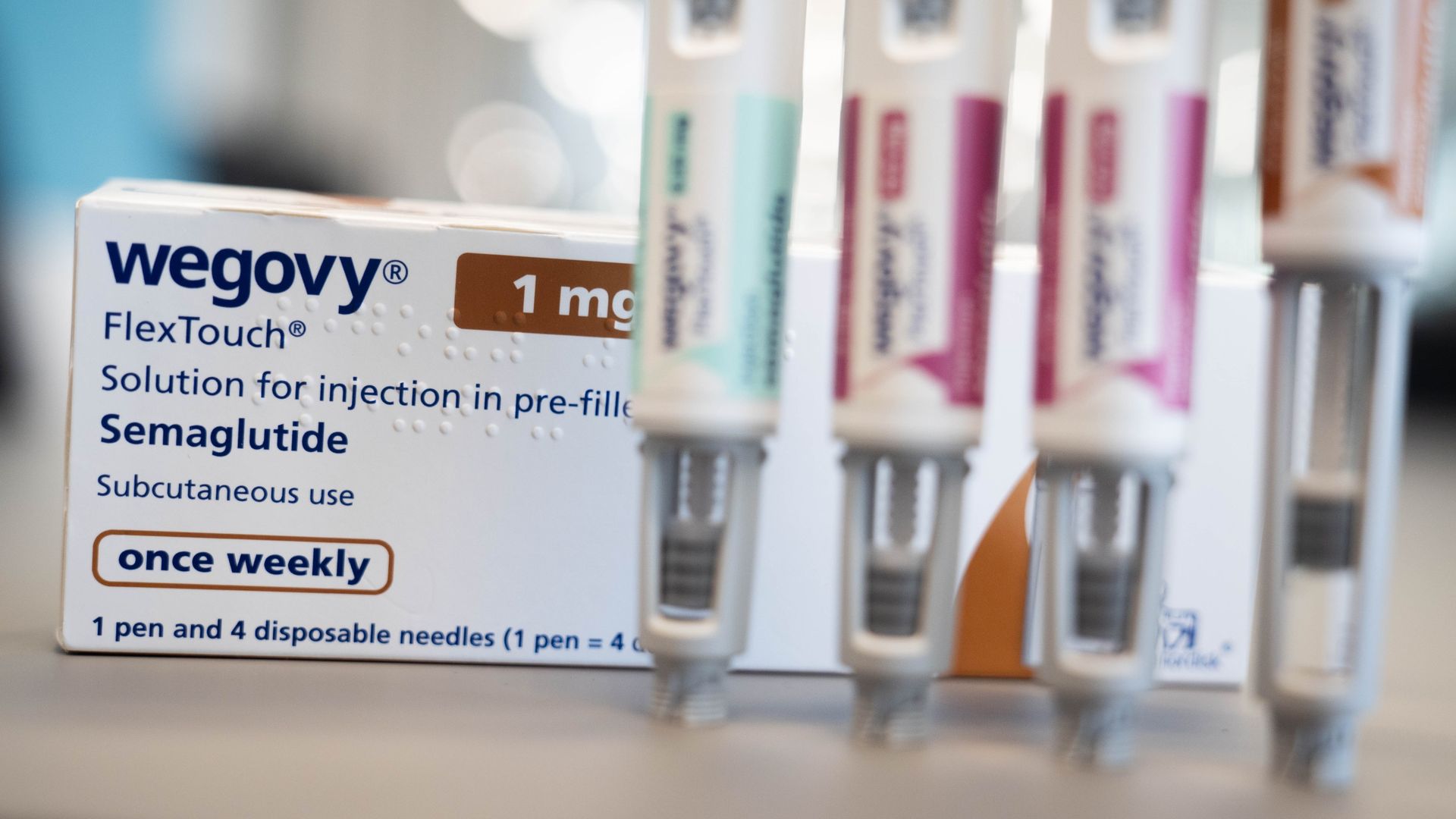
The FDA yesterday told Eli Lilly and Novo Nordisk to remove warnings about the risk of suicidal thoughts and behavior from the labels of their blockbuster GLP-1 weight-loss drugs.
Why it matters: The action caps more than a year of studies into reported side effects in people taking the injectable drugs. It covers Novo Nordisk's Saxenda and Wegovy and Lilly's Zepbound.
Driving the news: Regulators said a comprehensive review found no increased risk of suicidal ideation or behavior associated with the use of GLP-1s.
- The warnings were based on reports of events observed with older medicines used or studied for weight loss.
- Labels have said suicidal behavior or thoughts have been reported in clinical trials for other weight-loss products and recommend that doctors monitor patients for unusual changes in mood or behavior.
Between the lines: Some research has focused on patients with psychiatric disorders, since certain antipsychotics or antidepressants are associated with weight gain and could make the patients possible candidates for GLP-1s.
5. Catch up quick
💸 President Trump said his administration will release a framework to lower health care costs later this week. (USA Today)
💉 An advisory panel that reports to the HHS secretary on vaccine injury compensation appears to be in limbo after some members were told they were being removed. (Endpoints News)
⚖️ Six leading medical groups plan to ask the courts to throw out revisions to the childhood vaccination schedule announced last week. (NYT)
Thanks for reading Axios Vitals, and to editors Adriel Bettelheim and David Nather and copy editor Matt Piper. Please ask your friends and colleagues to sign up.
Sign up for Axios Vitals