Axios Vitals

April 28, 2026



Good morning. Today's newsletter is 1,068 words, a 4-minute read.
1 big thing: ADHD medication surges for young women

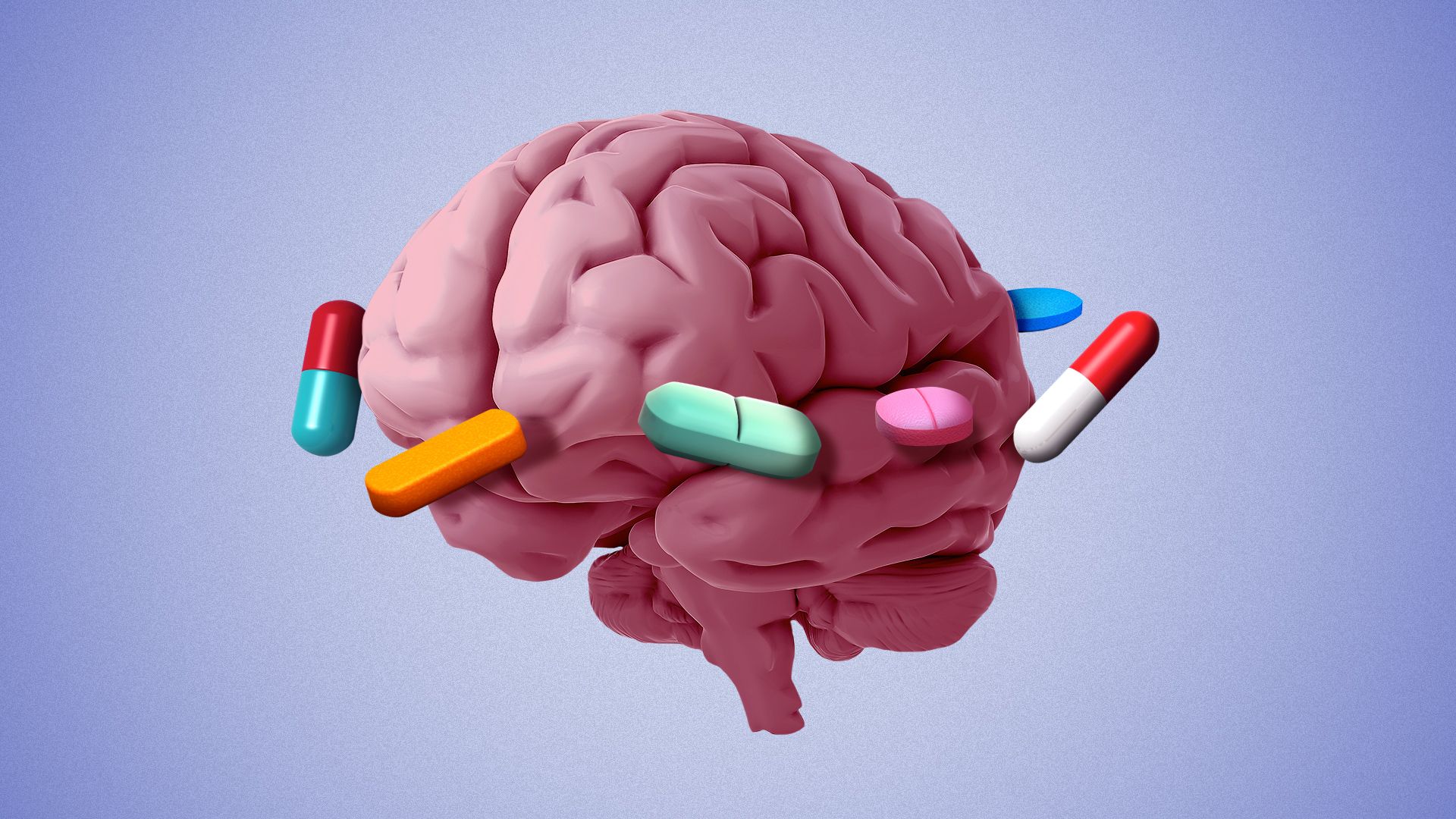
Stimulant use has spiked in the post-pandemic era, particularly among young adult women.
Why it matters: Demand for ADHD medications is surging, but the drugs may not be reaching the people who need them the most.
Driving the news: The latest data point comes from Trilliant Health, which found a 94% increase in stimulant prescriptions for commercially insured women ages 18-44 between 2018 and 2024.
- Among men the same age, Trilliant found a 65% increase.
The analysis also found a marked change in who prescribes the drugs.
- In 2018, the top prescriber groups were primary care providers (39% of prescriptions) and psychiatrists (24%).
- By 2024, "allied health" professionals like nurse practitioners and physician assistants had risen to the top spot, responsible for 34% of prescriptions.
The big picture: ADHD awareness has coincided with a significant increase in prescriptions for drugs like Adderall and Vyvanse, leading to large spikes in demand that have depleted supplies and led to a yearslong stimulant shortage.
- The rise of telehealth platforms offering prescriptions for such medications was initially lauded as a model for the future and a way to reach underserved populations.
- But that narrative eventually took a darker turn. Last year, two executives of telehealth company Done were convicted for their roles in "a years-long scheme to illegally distribute Adderall over the internet," per the Justice Department.
Between the lines: Two things are likely true: There are still a lot of people who need stimulants who aren't getting them, and there are also people currently taking ADHD medication who don't need them, said Columbia University psychiatry professor Mark Olfson.
- One particular problem is diagnosis, especially since it's increasingly done by generalists.
- "ADHD is a difficult diagnosis to make for non-specialists, particularly for people who are presenting without a history of being assessed during childhood," Olfson said.
2. South Carolina declares measles outbreak over
South Carolina officials yesterday formally declared an end to the measles outbreak that spawned nearly 1,000 cases since October and marked the worst flare-up of its kind in the U.S. in more than three decades.
The big picture: The last confirmed case was reported March 15, a 42-day stretch that's double the incubation period and a clear sign the transmission chain is broken.
Driving the news: Officials said that 932 of the 997 total cases were among the unvaccinated and that 65% of the cases were in children ages 5 to 17.
- A timely response and a marked rise in vaccinations may have helped contain the highly contagious virus: Doses of the MMR vaccine given between October and March in the epicenter of Spartanburg County rose 94% over the previous year, and 31% statewide.
- Republican Gov. Henry McMaster ruled out vaccine mandates to control the spread, citing the pandemic experience, but underscored the importance of vaccination as a personal choice.
- "We are certainly not letting our guard down, and I don't think that South Carolinians who are still vulnerable to the virus, that don't have immunity, should let their guard down," Brannon Traxler, chief medical officer for the state health department, told ABC News.
What we're watching: An outbreak that began in August along the Utah-Arizona border remains hard to track because of residents' reluctance to participate in investigations or seek care, local officials said.
- There have been 1,792 confirmed measles cases in the U.S. this year.
3. Fallout projected from hepatitis B shot delay
The CDC's decision to scrap the federal hepatitis B vaccine recommendation for all infants at birth could add hundreds of millions in health costs, drive up chronic infections and increase premature deaths from cirrhosis or liver cancer, according to new research in JAMA Pediatrics.
Why it matters: The longer the delay in vaccination, the higher the cost in human life and health care, researchers said.
- Delaying the shot until age 12 could result in nearly $369 million in added costs, according to their high-end estimate.
Driving the news: The study was the first to estimate the potential effects of the December recommendation to delay the hepatitis B vaccine for infants born to parents who tested negative. Parents could get their infants vaccinated after at least 2 months of age after consulting with doctors.
- Doing so would result in $16.4 million in added costs and 29 hepatitis-related deaths, the researchers wrote.
- Delayed receipt of the first dose also decreased the likelihood that a child would finish the routine three-shot series. And obstacles to arranging a consultation with doctors could further lower vaccination rates.
Health Secretary Robert F. Kennedy Jr.'s vaccine advisers have argued the vaccine is not necessary for children born to mothers who test negative — and emphasized "individual-based decision-making" as the administration reshapes long-standing vaccine policy.
4. Lilly signals continued biotech deal spree
Eli Lilly plans to sustain its aggressive dealmaking pace in 2026, directing more cash to early-stage biotech deals, including companies in Phase 1 and Phase 2 trials.
The big picture: Fueled by obesity drug success, the Indianapolis drug giant is pursuing a high-volume strategy and taking a lot of risk deliberately, corporate development chief Jacob Van Naarden told Katherine Davis first on Pro.
Driving the news: Lilly said yesterday it will buy blood cancer biotech Ajax Therapeutics in a deal worth up to $2.3 billion.
- It's Lilly's sixth acquisition this year, after inking around 40 deals in 2025 totaling roughly $4 billion in upfront payments.
Zoom in: The Ajax deal expands Lilly's oncology and hematology pipeline with next-generation treatments for myeloproliferative neoplasms, a group of chronic blood cancers.
- Before Ajax, Lilly last week agreed to acquire cancer biotech Kelonia Therapeutics for up to $7 billion.
- It also bought sleep disorder biotech Centessa Pharmaceuticals in a deal worth up to $7.8 billion in March and cell therapy and RNA biotech Orna Therapeutics for $2.4 billion in February.
If you need smart, quick intel on health tech dealmaking for your job, get Axios Pro.
5. Catch up quick
🤖 Members of Utah's medical licensing board called for the suspension of a program allowing a startup to use AI to refill prescription medications. (Endpoints)
🥼 An integrative medicine doctor married to acting Attorney General Todd Blanche was named to an advisory council that provides funding recommendations to NIH. (Stat)
💰 Leaders of the "Make America Healthy Again" movement say they'll help Republicans stay in power but have little money to do it. (Politico)
Thanks for reading Axios Vitals, and to editors Adriel Bettelheim and David Nather and copy editor Matt Piper. Please ask your friends and colleagues to sign up.
Sign up for Axios Vitals