Axios Vitals

June 23, 2026



Happy Tuesday! Today's newsletter is 824 words, a 3-minute read.
1 big thing: Key moment for organ donation revamp

The troubled U.S. organ donation system is set for a pivotal series of changes as administrators begin overhauling the process for deciding which organizations work with hospitals to facilitate donations.
Why it matters: More than 100,000 Americans are waiting for transplants, and the system has been dogged by patient safety concerns, instances of inappropriate conduct and conflicts of interest among organ procurement groups.
Driving the news: HHS could shut down more than 40% of the nonprofits that obtain organs later this year and institute a competitive bidding process to replace those that lose certification.
- The aim is to boost donation and transplant rates by introducing competition into a system that's operated with monopolies for decades, with 55 organizations serving specific service areas.
- The moves come after bipartisan congressional investigations into the organ donation system and a push by the Trump administration last year to decertify a Miami contractor over unsafe practices, administrative errors and underperformance.
How it works: Organ procurement organizations have been measured by criteria that include the organ donation rate and transplant rate in the service area.
- Those in the highest performance tier will automatically get recertified to serve their geographic area.
- Those in the middle will have to compete, and lowest-tier groups will be decertified and not allowed to compete for other open contracts.
Critics say the changes will bring more chaos to an already troubled system.
- "The uncertainty just keeps us off-kilter," said Jeffrey Trageser, president of the Association of Organ Procurement Organizations and executive director of the entity serving San Diego.
- His organization has been in the highest-performing tier, "but if OPOs all around us are decertified, it's going to destabilize the system, and that'll have impacts on us," he said.
- Transplant surgeons worry the changes will make their jobs harder, too.
2. Push for more insulin cost caps gains steam
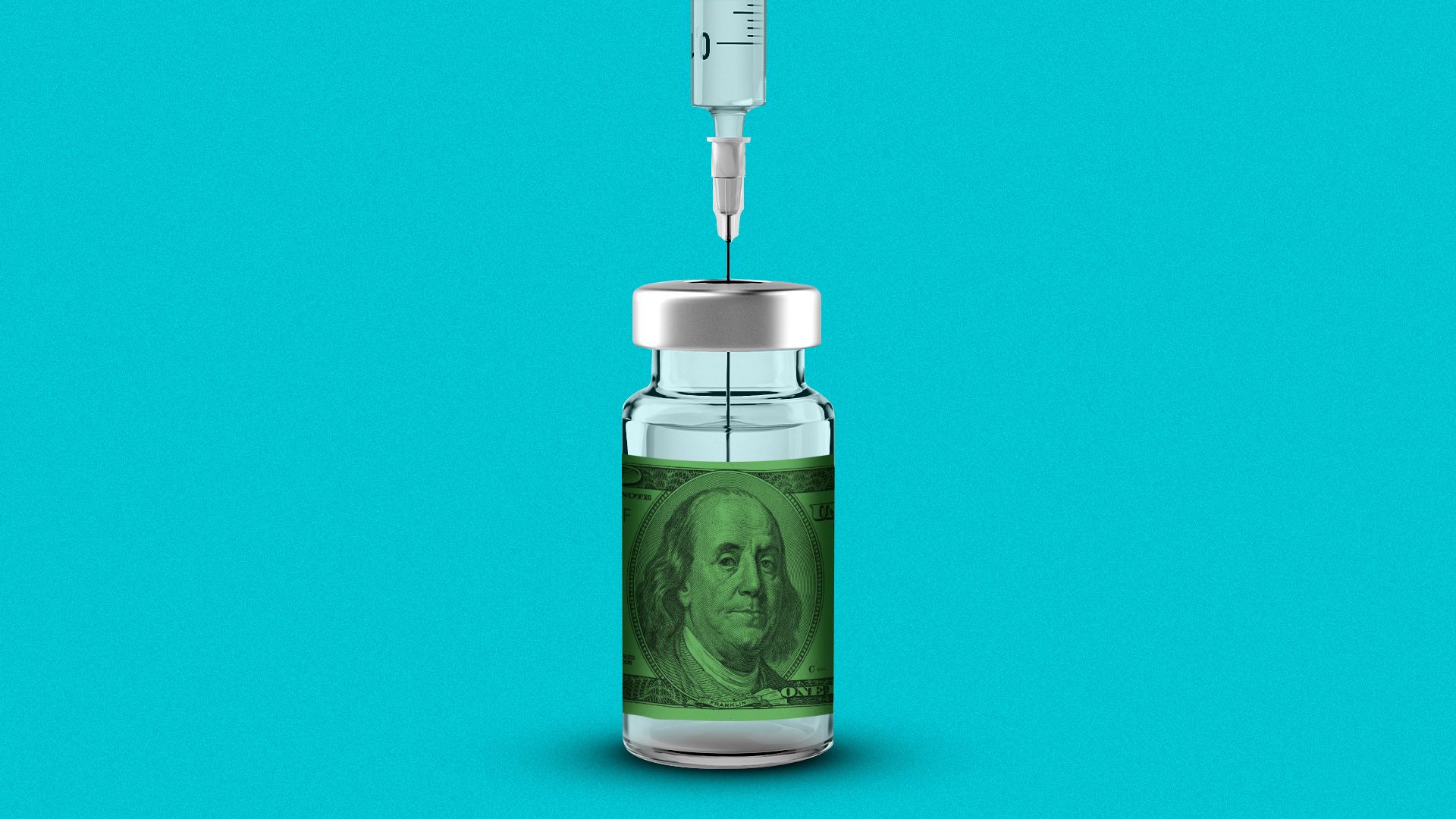
A Senate plan to limit insulin costs in private insurance markets is getting new life after a key committee gave it bipartisan backing.
Why it matters: Capping out-of-pocket insulin costs at $35 per month for patients with diabetes in commercial insurance has been a goal for years, but efforts have stalled over concerns about excessive government meddling.
- Congress capped insulin costs at $35 per month for people on Medicare in 2022.
Driving the news: The Senate measure got a bipartisan 15-8 vote in the Senate health committee last week when it was offered as an amendment to a separate bill.
- Chairman Bill Cassidy (R-La.) postponed a vote on the underlying measure, saying the insulin measure needed more work, largely over technical concerns.
- Cassidy told Axios he expects he can work out details with co-sponsor Susan Collins (R-Maine) in time for a committee vote next month.
The big picture: Attention around high insulin costs helped spur drug companies to voluntarily cap costs. But backers of the Senate bill say people are still struggling and that congressional action is needed.
- The American Diabetes Association, which backs the measure, says insulin remains unaffordable for almost 30% of people, citing an October survey.
3. New HHS plan to streamline clinical trials

The Trump administration yesterday launched new efforts aimed at accelerating clinical trials that include allowing a single high-quality late-stage trial with supporting evidence to be sufficient for a drug approval.
Why it matters: The efforts come as China's biotech sector is threatening America's long-standing dominance in drug-making and biotech executives and investors are pressing the administration to respond.
Driving the news: The new steps include an FDA pilot program and updated guidance that the administration says could reduce early trial timelines by six to 12 months.
- The agency also is continuing to pivot away from a requirement that two late-stage clinical trials be conducted for a drug approval.
- NIH's National Cancer Institute will also take steps to improve enrollment in cancer studies. And the Office of the National Coordinator for Health Information Technology will look for ways to better connect patients with trials through electronic health records.
Context: Former FDA commissioner Marty Makary made a priority of revamping early-stage trials, but administration officials said the latest efforts have been under discussion since the beginning of Trump 2.0.
4. Catch up quick
🏥 Indiana is setting government price controls on hospitals amid growing frustration with rising insurance costs and hospital prices. (KFF Health News)
💊 Hospitals are urging the administration to intervene after Eli Lilly stopped paying drug discounts under the 340B program last week. (Healthcare Dive)
💸 The active year for biotech M&A continued as AbbVie agreed to buy Apogee Therapeutics for $10.9 billion in cash. (Axios)
Editor's note: An incorrect chart was used in yesterday's story about the likelihood of voting for candidates who support reinstating enhanced ACA subsidies. The chart should have shown that 45% are more likely to support those candidates; 16% less likely; and to 22% it makes no difference.
Thanks for reading Axios Vitals, and to editors Adriel Bettelheim and David Nather and copy editor Matt Piper. Please ask your friends and colleagues to sign up.
Sign up for Axios Vitals