Insulin cost cap gets another look in Congress

Add Axios as your preferred source to
see more of our stories on Google.
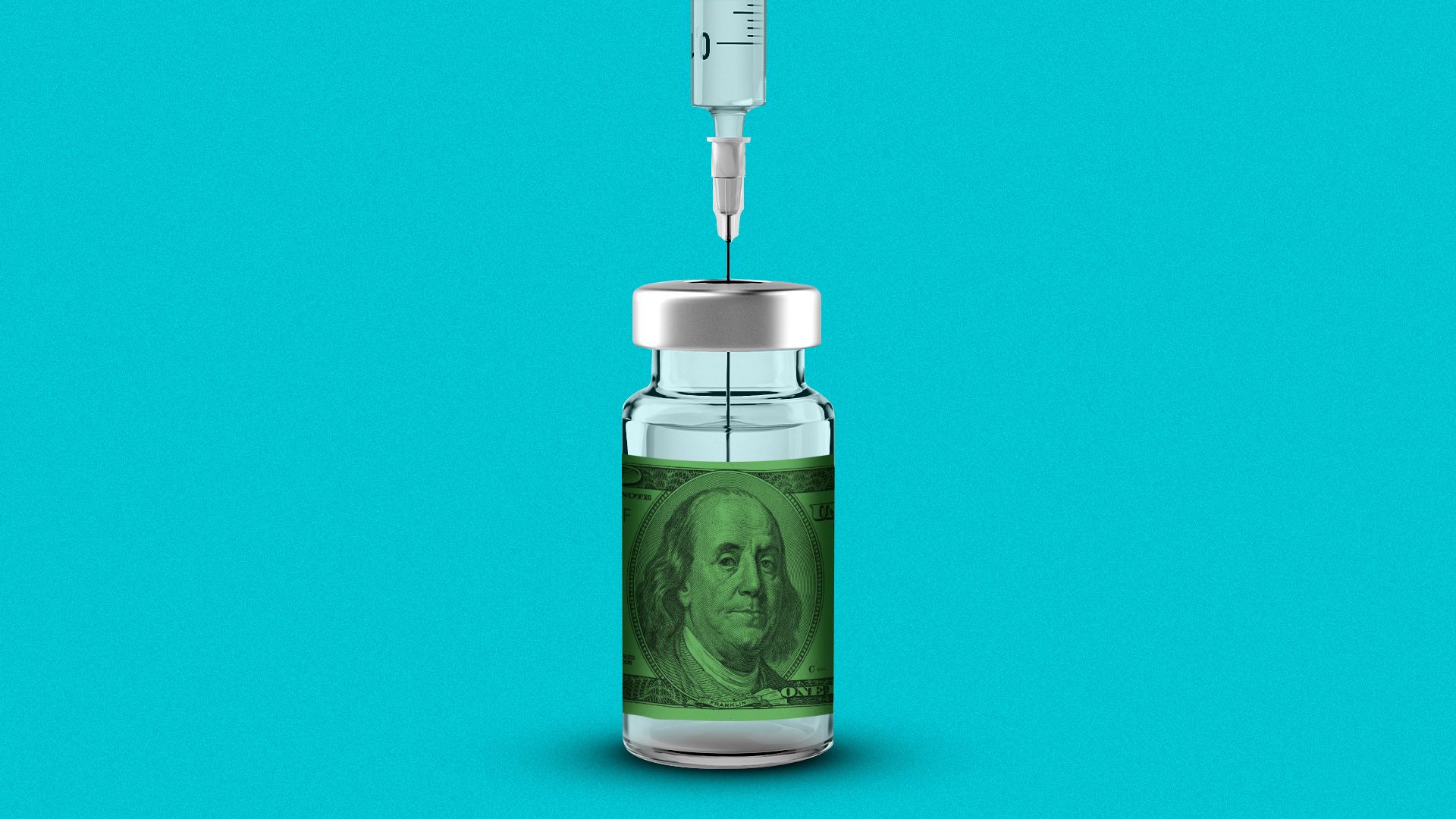
Illustration: Aïda Amer/Axios
A Senate plan to limit insulin costs in private insurance markets is getting new life after a key committee gave it bipartisan backing.
Why it matters: Capping out-of-pocket insulin costs at $35 per month for patients with diabetes in commercial insurance has been a goal for years, but efforts have stalled over concerns about excessive government meddling.
- Congress capped insulin costs at $35 per month for people on Medicare in 2022.
Driving the news: The Senate measure got a bipartisan 15-8 vote in the Senate health committee last week when it was offered as an amendment to a separate bill.
- Chairman Bill Cassidy (R-La.) postponed a vote on the underlying measure, saying the insulin measure needed more work, largely over technical concerns.
- Cassidy told Axios he expects he can work out details with co-sponsor Susan Collins (R-Maine) in time for a committee vote next month.
- "We're going to do our best, I think we can," he said.
- He said his concerns are "more technical" than substantive, like ensuring there is not "redundancy" with certain provisions in an overhaul of pharmacy benefit managers passed earlier this year.
The big picture: The bill would extend the $35 cap to people on private insurance and create a pilot program in 10 states to cap costs for uninsured people.
- Sponsors besides Collins are Sens. Jeanne Shaheen (D-N.H.), Raphael Warnock (D-Ga.) and John Kennedy (R-La.).
- Attention around high insulin costs helped spur drug companies to voluntarily cap costs. But backers of the Senate bill say people are still struggling and that congressional action is needed.
- The American Diabetes Association, which backs the measure, says insulin remains unaffordable for almost 30% of people, citing an October survey.
- While some states have imposed their own insulin cost caps, research suggests they haven't been enough to improve insulin uptake among commercially insured patients.
What we're watching: Some Republicans have historically been wary of interfering in the private market.
- The measure still could be a candidate for a health package in a lame-duck session.
