Axios Vitals

December 04, 2025



Let's make it a good Thursday. Today's newsletter is 1,143 words or a 4.5-minute read.
1 big thing: Brain drain threatens drug approvals
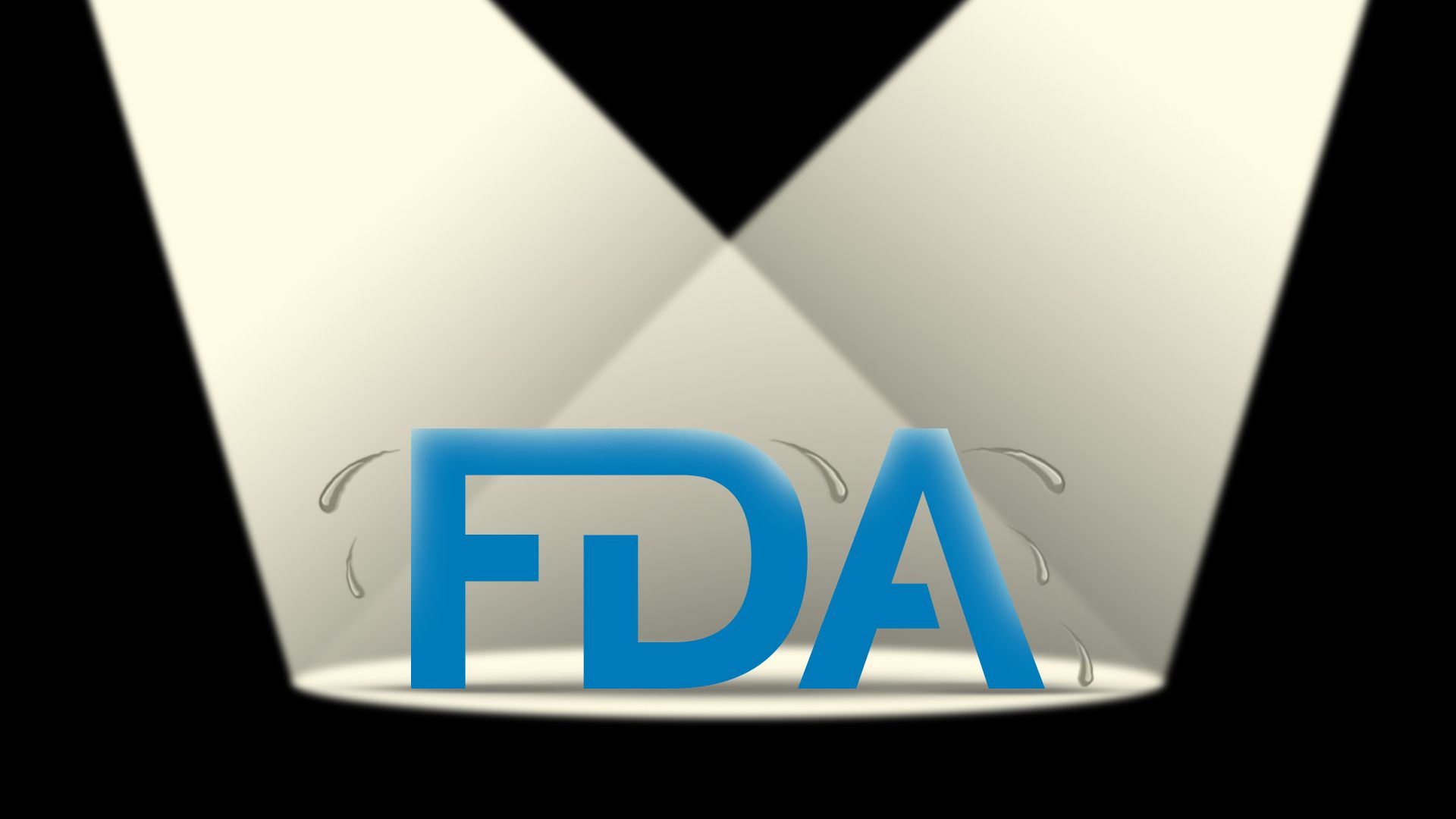
Another abrupt departure of a high-ranking FDA official is raising alarm about a brain drain that could mean new drugs take longer to reach the public.
Why it matters: Biotech and pharmaceutical companies rely on the FDA for dependable guidance as they spend huge sums developing new treatments. The American public needs the agency to ensure treatments are safe and effective.
Driving the news: The latest uproar surrounds the unexpected departure of Richard Pazdur, a respected oncologist who just three weeks ago became the fourth person to direct the FDA's drug center this year.
- Pazdur's appointment had helped calm nerves to some degree within industry after months of turmoil. But now, executives and even former FDA commissioners are publicly questioning the agency's direction.
- Health Secretary Robert F. Kennedy Jr. inserted himself in the personnel drama and met with Pazdur yesterday, Axios' Caitlin Owens reported. An HHS official said the meeting was to thank Pazdur for his service.
- Tracy Beth Høeg, a sports medicine doctor and critic of the COVID-19 response, will be acting director of the drug center.
What they're saying: John Crowley, CEO of the industry group the Biotechnology Innovation Organization, said the FDA is at a "tipping point."
- "This constant turmoil is undermining America's leadership in biotechnology, creating unprecedented regulatory instability and unpredictability, and risks ceding this critical sector to China," he said in a statement.
- Twelve former FDA commissioners from Republican and Democratic administrations took the highly unusual step of publicly airing their concerns yesterday, writing in the New England Journal of Medicine that the upheaval "could diminish both the FDA's strength and Americans' health and safety."
The persistent complaint from former FDA officials and industry leaders is that political appointees are shutting out career agency scientists from decision-making, and that the departure of many agency veterans will jeopardize the drug review process.
- Yesterday, agency leaders removed the longtime director of the office of over-the-counter drugs from her position, Stat reported.
2. Obamacare exchanges vulnerable to fraud: GAO

Federal auditors used fictitious identities and Social Security numbers to obtain subsidized Affordable Care Act coverage for almost two dozen individuals who didn't exist, the Government Accountability Office reported yesterday.
Why it matters: Republicans in Congress have cited waste, fraud and abuse in ACA coverage as a justification for not renewing enhanced tax credits that expire at the end of this year.
- The report gives GOP policymakers new fodder as they resist a faltering effort to extend the subsidies.
- The congressional watchdog agency told three House Republican committee chairs that fraud risks it first identified in 2015 were still plaguing systems the government uses to determine eligibility for ACA coverage.
What they found: Auditors used fake identities to successfully obtain ACA coverage worth about $2,300 a month for four fictitious applicants from November through December 2024.
- They also obtained subsidized coverage for 18 of 20 other fictitious applications through this September. Advance premium tax credits for those enrollees total more than $10,000 per month.
- The applications were made directly through the federal HealthCare.gov portal or with the help of an insurance broker.
- Republican lawmakers requested the investigation, but GAO has conducted similar testing of ACA coverage in the past, prior to COVID-era subsidy enhancements.
3. ACA premium hikes would force painful choices


About a third of people who get their health coverage through the ACA would look for a cheaper plan if the enhanced subsidies expire — but a quarter would be very likely to just go without insurance, according to a new KFF survey.
Why it matters: The survey shows how people would try to minimize the pain if they have a big jump in ACA premiums next year — which is almost certain to happen since Congress looks increasingly unlikely to reach an agreement to extend the subsidies.
- The average out-of-pocket premium payments are expected to more than double — a 114% increase — without the enhanced subsidies, per KFF estimates.
By the numbers: 58% of people with ACA coverage said they wouldn't be able to afford a $300 increase in premium payments without a big disruption to their finances.
- Another 20% said they wouldn't be able to afford a $1,000 increase (which is possible, according to the KFF estimates).
- To soften the blow, 15% said they'd be very likely to look for another job that provides health coverage.
- Just 10% said they'd be very likely to stick with their ACA plan and eat the costs.
What we're watching: Both parties would get some blame if the premiums go up, but more people with ACA coverage would blame President Trump (37%) or congressional Republicans (33%) than Democrats (29%).
Methodology: The survey was conducted Nov. 7-15 online and by phone, in English and Spanish, among 1,350 U.S. adults with ACA coverage. The margin of error was 3 percentage points.
4. The risk of hepatitis B shot curbs

Eliminating or restricting hepatitis B vaccines for newborns would increase the chances of mother-to-child transmission and potentially raise the risk of lifelong illness and even death, according to findings published yesterday in the journal JAMA.
Why it matters: An advisory committee to the CDC today will debate the birth dose recommendations for hepatitis B shots and possibly vote to recommend delaying immunizations to a later age.
- Kennedy has promoted the debunked idea the hepatitis B vaccine is linked to increased risk of autism, and that the liver disease is primarily spread through sex or needle sharing, so newborns don't need it.
What they found: Researchers, including former CDC director Rochelle Walensky, estimated the effects of multiple policy changes.
- Eliminating the birth dose for infants of mothers who test negative for the virus would raise annual infections 8%, to 674.
- Restricting the birth dose only to infants of mothers who test positive would raise cases to 1,101, or a 76% increase from current levels.
- The authors say the projections likely underestimate the effects of scrapping a universal birth dose policy, because they don't account for rising vaccine hesitancy and other factors.
Context: The hepatitis B vaccine is delivered to infants to protect against both perinatal and environmental exposure to the virus, which could lead to chronic infection and lifelong complications, and even death.
- Research has shown it's 90% effective at preventing infection from the mother if given within 24 hours of birth.
5. Catch up quick
🔎 The FDA said it won't release details of an investigation into 10 alleged child deaths related to COVID-19 vaccines in the "near term." (Endpoints News)
🧫 Speaker Mike Johnson is working to strip language from a defense authorization bill that would mandate IVF coverage for active duty service members. (MS NOW)
🦠 Total measles cases topped 1,800 for this year, with current hot spots among unvaccinated or undervaccinated groups in Utah, Arizona and South Carolina. (CIDRAP)
Thanks for reading Axios Vitals, and to editors Adriel Bettelheim and David Nather and copy editor Matt Piper. Please ask your friends and colleagues to sign up.
Sign up for Axios Vitals