Axios Vitals

June 16, 2026



Hello Tuesday! Today's newsletter is 944 words, a 3.5-minute read.
1 big thing: Dems' bid to expand drug price talks
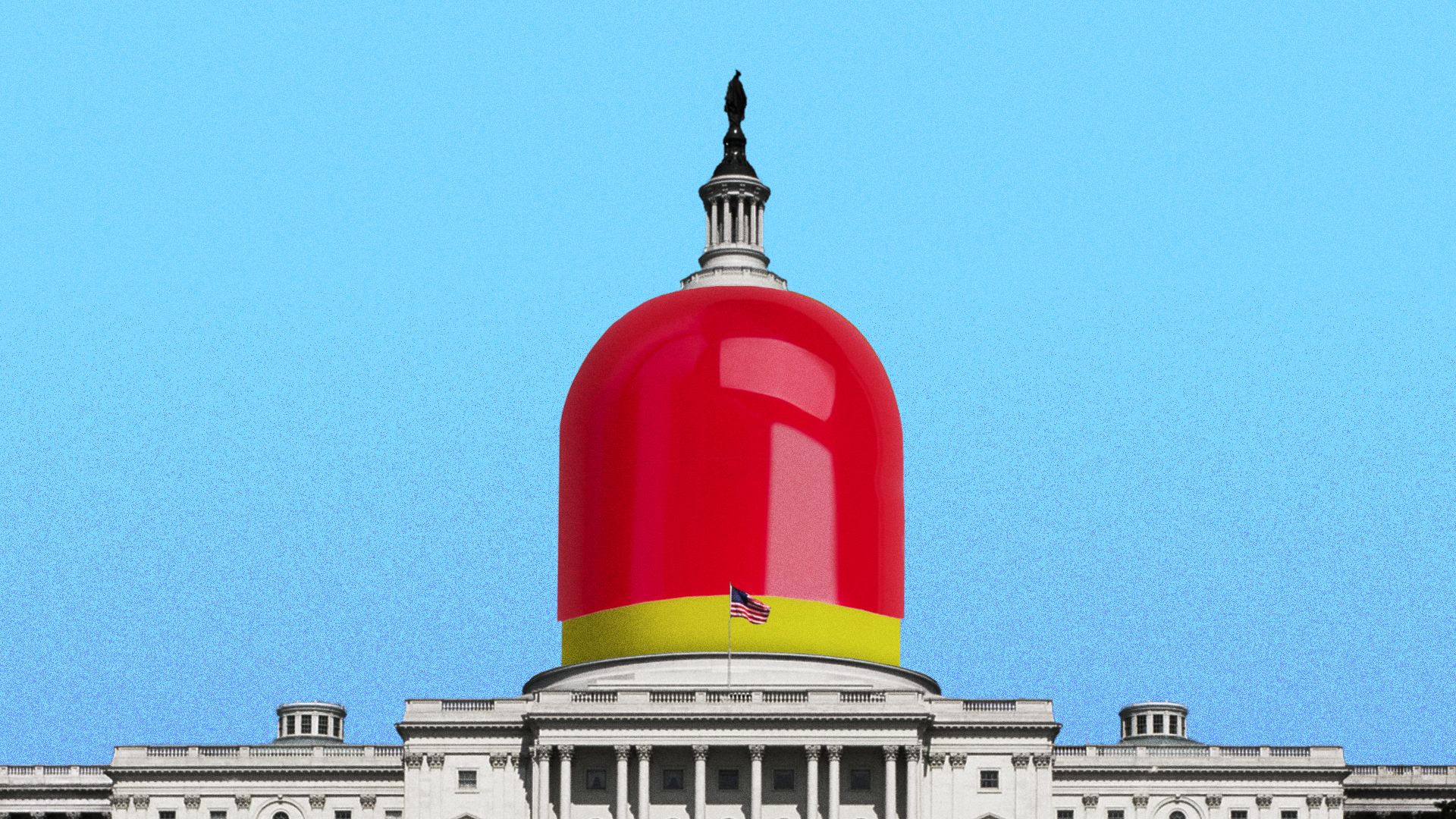
Senate Democrats today are unveiling a proposal to expand Medicare drug price negotiations, in a bid to counter President Trump's election-year messaging on health care affordability.
Why it matters: High prescription drug prices are a key concern for voters ahead of the midterms — one Trump is trying to address through voluntary pricing deals with leading drug companies and with the TrumpRx website.
Driving the news: Democrats argue Trump hasn't delivered meaningful results the way they did in 2022 through the Inflation Reduction Act, which included first-ever government price talks with the pharmaceutical industry.
- A 48-page outline from Senate Finance Committee Democrats out today lays out a range of follow-on proposals that the party could pass if it wins back power in November, and asks for feedback.
- Options include making more drugs subject to the Medicare negotiations each year and cutting the time between when a drug is launched and negotiations can begin.
- Using an idea Trump frequently touts, the plan also calls for factoring lower prices paid in other developed countries into Medicare drug price negotiations.
What they're saying: Democrats contrasted their drug pricing proposals with Trump's "most favored nation" agreements that 17 major manufacturers struck with the administration.
- Democrats, the outline says, "delivered durable policy change" through the Inflation Reduction Act but "recognize more must be done to lower prices."
Between the lines: Drug prices consistently rank high among voters' affordability concerns.
- The Senate Finance document points to polling Trump pollster Fabrizio Ward did for Arnold Ventures last year that found that 86% of Trump voters and 88% of voters overall say it is important for the government to negotiate drug prices.
- Democratic pollster Lake Research Partners this month found more than two-thirds of voters say prescription drug prices have gotten more expensive and that most blame the pharmaceutical industry.
2. UnitedHealth and FTC reach deal in insulin case
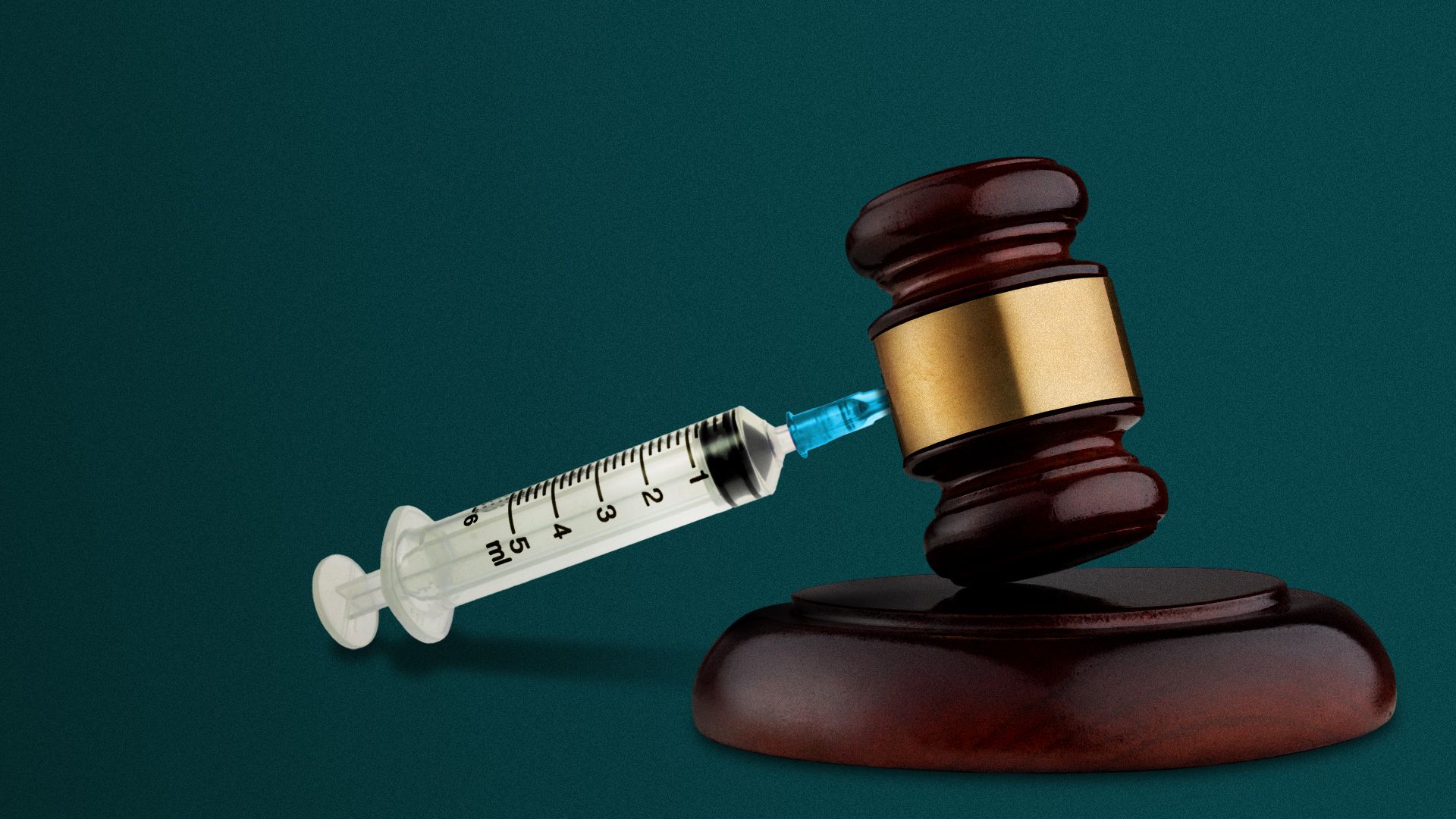
The Federal Trade Commission is halting an antitrust suit against UnitedHealth Group's pharmacy benefit manager to consider a proposed agreement to settle charges that the company inflated the price of insulin.
Why it matters: The suit, filed in 2024 under the Biden administration, was seen as a major challenge to the three biggest PBMs, who were accused of driving up costs to diabetes patients.
Driving the news: The FTC said in a court filing that it would stay proceedings pending a determination by the commission on the proposed deal.
- If the deal is accepted, it would resolve claims against United's OptumRx unit and its offshore group purchasing organization, Emisar.
- In March, the FTC reached a settlement with CVS Health and its PBM, Caremark. It also settled with Cigna and its Express Scripts PBM in February.
The Express Scripts agreement, among other things, required the PBM to delink its compensation from drug list prices and stop making drugs with high acquisition costs preferred on its formularies.
3. NIH moves to reduce animal testing in research


The administration took another step toward pivoting away from animal testing in biomedical research yesterday, establishing an NIH office to develop and promote 3D human tissue models, computational tools and other alternatives.
Why it matters: It makes good on a pledge NIH director Jay Bhattacharya made in April 2025 and follows FDA's launch of a pilot program to phase out some animal testing requirements for antibody therapies and other drugs.
Driving the news: The new Office of Research Innovation, Validation, and Application, or ORIVA, will fund methods that simulate human disease — including "organoids" grown from patient cells — and computer models and AI that simulate biological systems and drug interactions.
- The office also is supposed to serve as a hub for coordinating with other government agencies and regulatory changes.
Reality check: It could take years to reach a point where alternative methods can be widely deployed.
- While some technologies like organ-on-a-chip have been shown to potentially save drug companies billions in testing, many still use animals to cover their bets, industry experts say.
- Some experts have also said predicting drug efficacy using AI models will require more data, particularly in areas like oncology and neurology.
NIH didn't say how much money is being directed toward the effort. The administration proposed a 12% cut to NIH spending in its FY27 budget.
4. 1 big number: Telehealth mental health claims

Mental health conditions were by far the top-ranking diagnostic category for telehealth services in the first quarter of this year, accounting for 52% of the overall share of patients, according to a FAIR Health tracker.
Why it matters: Some providers and digital health companies say behavioral care is uniquely suited to telehealth and are working to expand options amid a shortage of therapists and other professionals.
By the numbers: Mental health accounted for more than 60% of telehealth claims for individuals ages 10 to 40, with much lower proportions for kids up to 9 years old and for senior citizens.
- The percentage of patients with a telehealth claim increased from 17% in the fourth quarter of 2025 to more than 18% in the first quarter, a 6.3% rise.
- Overweight and obesity ranked third among diagnostic categories nationally and in the Midwest and Northeast, and fifth in the South and West.
5. Catch up quick
💊 The FDA allowed Colorado to become the second state to import certain prescription drugs from Canada in an effort to lower prices for residents. (Stat)
⚖️ Express Scripts sued Tennessee over the state's law banning a pharmacy benefits services business from also owning pharmacies. (Healthcare Finance)
📉 Centene will offer buyouts to most employees to cut expenses after membership in its health plans dropped steeply over the last year. (Bloomberg)
Thanks for reading Axios Vitals, and to editors Adriel Bettelheim and David Nather and copy editor Matt Piper. Please ask your friends and colleagues to sign up.
Sign up for Axios Vitals