Axios Vitals

February 19, 2026


Welcome to Thursday. Today's newsletter is 1,068 words, a 4-minute read.
1 big thing: Big Pharma unfazed by drug price deals


Big drug companies' pricing deals with the Trump administration barely came up during their most recent round of quarterly earnings calls, in yet another sign that the agreements were mutually beneficial for both parties.
Why it matters: The Trump administration wants to tout lower drug prices on the campaign trail, but it's still unclear how much patients will ultimately benefit.
The big picture: Although details of the deals involving more than a dozen leading drug companies are confidential, the industry has made concessions on some prices in exchange for more regulatory certainty — with little to no noticeable impact on the bottom line.
- "If you have engaged in something that materially changed your outlook, you have to communicate that," said Rob Smith, managing partner at Capital Alpha. "The fact that they're not saying much kind of tells you what you need to know."
- CMS administrator Mehmet Oz at a PhRMA event earlier this week suggested the pricing deals were accommodating to manufacturers.
- "I don't want to hurt innovation," he said. He noted that much of the price adjustments were for Medicaid, where "prices are lower anyway, so it's less hurtful; the sector did OK, we believe."
What they're saying: "Strategic actions in 2025 helped us resolve significant uncertainties, including achieving greater clarity on pricing and tariffs, and demonstrating the underlying resilience of our business," Pfizer CEO Albert Bourla said on the company's Q4 earnings call early this month.
- Some companies simply said the deals had been baked into their 2026 outlooks.
- Gilead described any drag on earnings as "manageable," noting that the deal it cut with President Trump plus changes to the Affordable Care Act will impact its flagship HIV business by about 2% in 2026.
The other side: The outliers were Novo Nordisk and Eli Lilly, the manufacturers of popular new anti-obesity drugs, who portrayed the deals they struck as more impactful.
2. NIH director will also run CDC
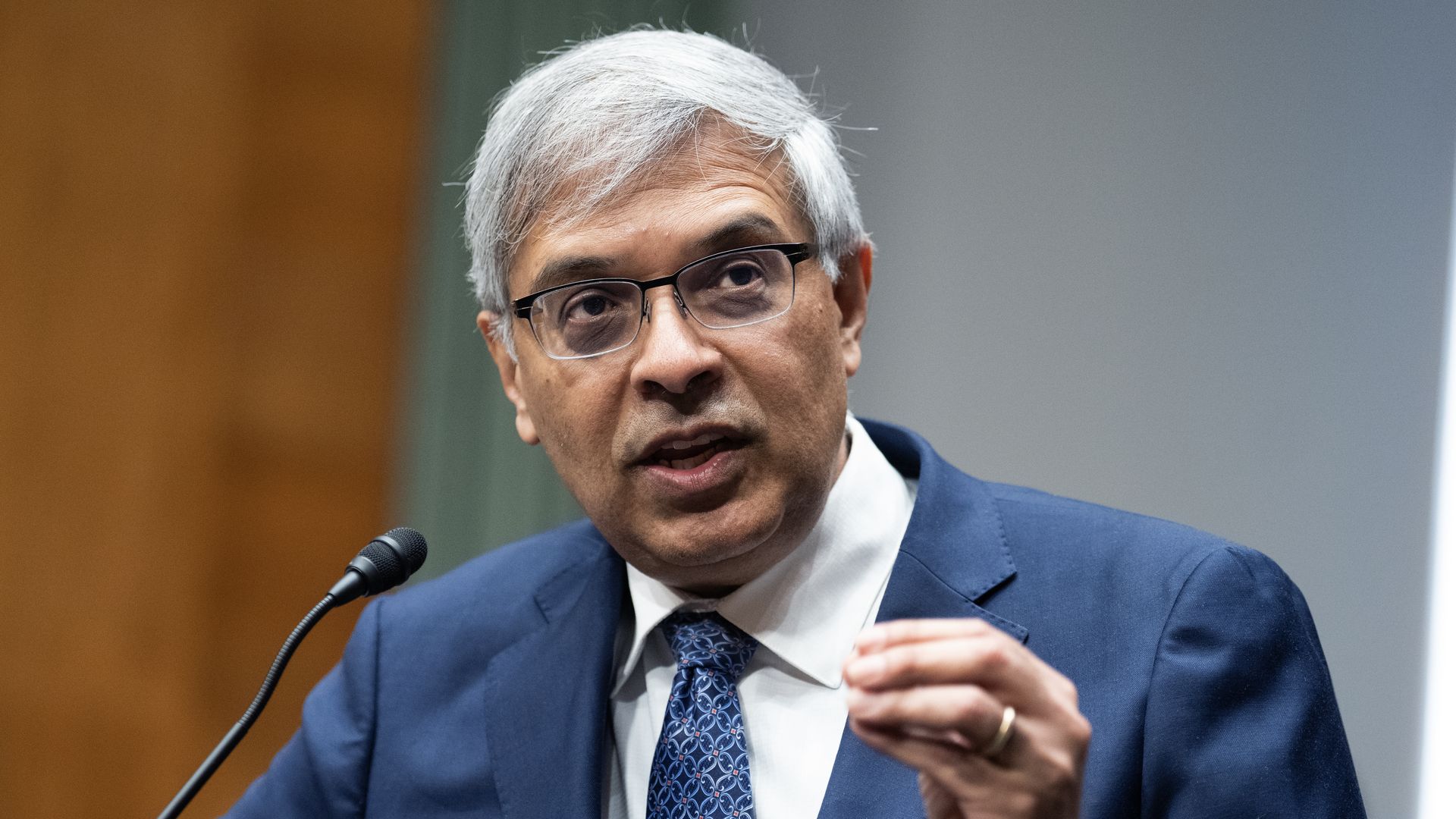
NIH director Jay Bhattacharya will also become acting director of the CDC as the Trump administration continues a shakeup of its senior health leadership, two sources told Axios.
Why it matters: The CDC has lacked a permanent political leader since August, when Health Secretary Robert F. Kennedy Jr. fired career scientist Susan Monarez.
- Deputy Health Secretary Jim O'Neill, who is leaving his post, has been acting CDC director since then, presiding over the agency during a period of heavy turnover from staff reductions and DOGE-directed layoffs.
- Bhattacharya's appointment was first reported by the New York Times.
Driving the news: Bhattacharya is a former Stanford professor who has tried to deflect controversy over the administration's health agenda while others on the Trump health team have leaned into their roles as disruptors.
- He's presided over NIH during a period of unprecedented budget cuts and grant freezes, taking credit for fighting what he called "politicized science" while telling Congress he didn't accept the job to terminate grants.
- Bhattacharya rose to prominence in the Trump world as a vocal opponent of COVID-era lockdowns.
- He cowrote the Great Barrington Declaration, a petition from a group of scientists that argued for allowing COVID to spread among young, healthy people to reach herd immunity faster.
The permanent CDC director has to be confirmed by the Senate, which could be a big political lift heading into the midterm elections.
3. FDA will now review flu vaccine it rejected
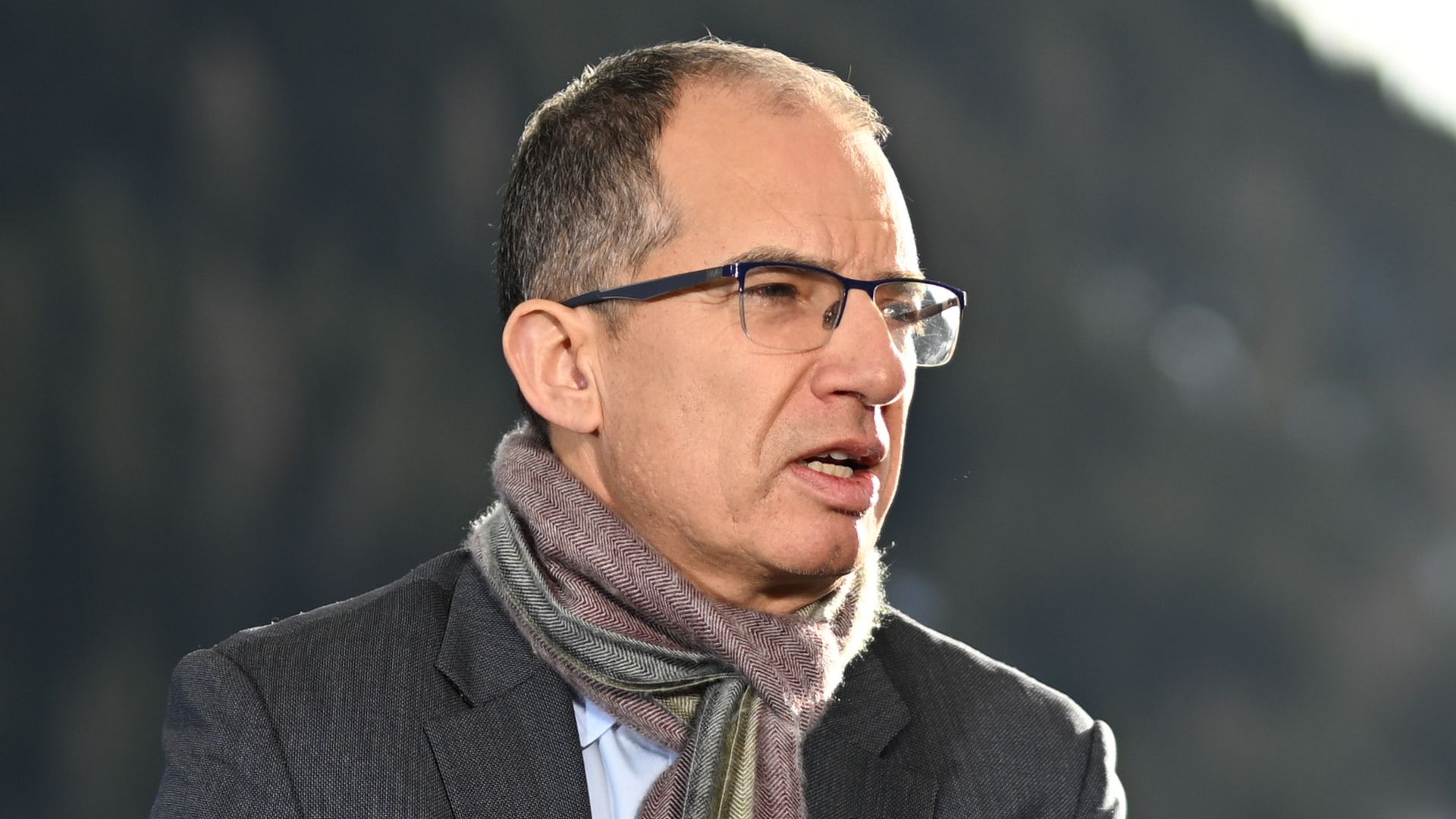
Moderna yesterday said the FDA will review its application for a new mRNA flu vaccine, reversing the surprise refusal to evaluate the shot last week after the company amended the proposal.
Why it matters: The denial sent shockwaves through the drug industry and raised new fears about the Trump administration chilling the development of new vaccines.
Driving the news: Moderna said yesterday that the review is proceeding after it met with regulators and amended its application.
- The new proposal seeks full approval for people age 50 to 64 and accelerated approval for those 65 and older, with a requirement for an additional study in older adults once the vaccine is on the market.
What they're saying: "We appreciate the FDA's engagement in a constructive Type A meeting and its agreement to advance our application for review," Moderna CEO Stéphane Bancel said in a statement.
- "Pending FDA approval, we look forward to making our flu vaccine available later this year so that America's seniors have access to a new option to protect themselves against flu."
Between the lines: The development came after FDA commissioner Marty Makary's defended the initial decision at a Tuesday event hosted by the drug industry trade group PhRMA, arguing Moderna's study design was flawed.
- But Makary sounded a conciliatory note, saying the rejection was "part of a conversation" with the company.
4. Insurer-backed group spotlights hospital costs

A coalition backed by health insurers and employers is launching a new effort to showcase hospital pricing as a central driver of rising health care costs, Axios has learned.
Why it matters: Health care affordability is emerging as a key election-year issue, with the Trump administration and many in Congress increasingly questioning why drug prices and insurance premiums are as high as they are.
What we're hearing: Hospital Watch is calling for more scrutiny on hospitals — which account for the largest share of U.S. health spending.
- The venture is an initiative of Better Solutions for Healthcare, a coalition of health insurers and employers.
- "Lawmakers have begun to understand that they can have a health care debate about affordability in other parts of the health care ecosystem," said Adam Buckalew, senior adviser for the initiative and a health care lobbyist.
- "But it will not move the needle until you bring hospitals into the fold," he said.
State of play: Hospital Watch will highlight media reports about hospital price markups and facility fees and advocate for policies like stopping anticompetitive hospital contracting practices, Buckalew told Axios.
5. Catch up quick
👩⚕️ Makary told CNBC that his view is that "everything should be over the counter" unless a drug is unsafe, addictive or requires monitoring. (CNBC)
🍼 Kennedy's "Operation Stork Speed" review of infant formula ingredients is unlikely to act on some contentious priorities, such as removing seed oils. (WSJ)
🏥 A major New York City hospital faced with threats of losing federal funding has closed its prominent medical program for treating transgender youth. (NYT)
Thanks for reading Axios Vitals, and to editors Adriel Bettelheim and David Nather and copy editor Matt Piper. Please ask your friends and colleagues to sign up.
Sign up for Axios Vitals