Axios Vitals

March 05, 2026


Happy Thursday, Vitals crew. Today's newsletter is 862 words, a 3.5-minute read.
1 big thing: Medicare's big-money bandage feud
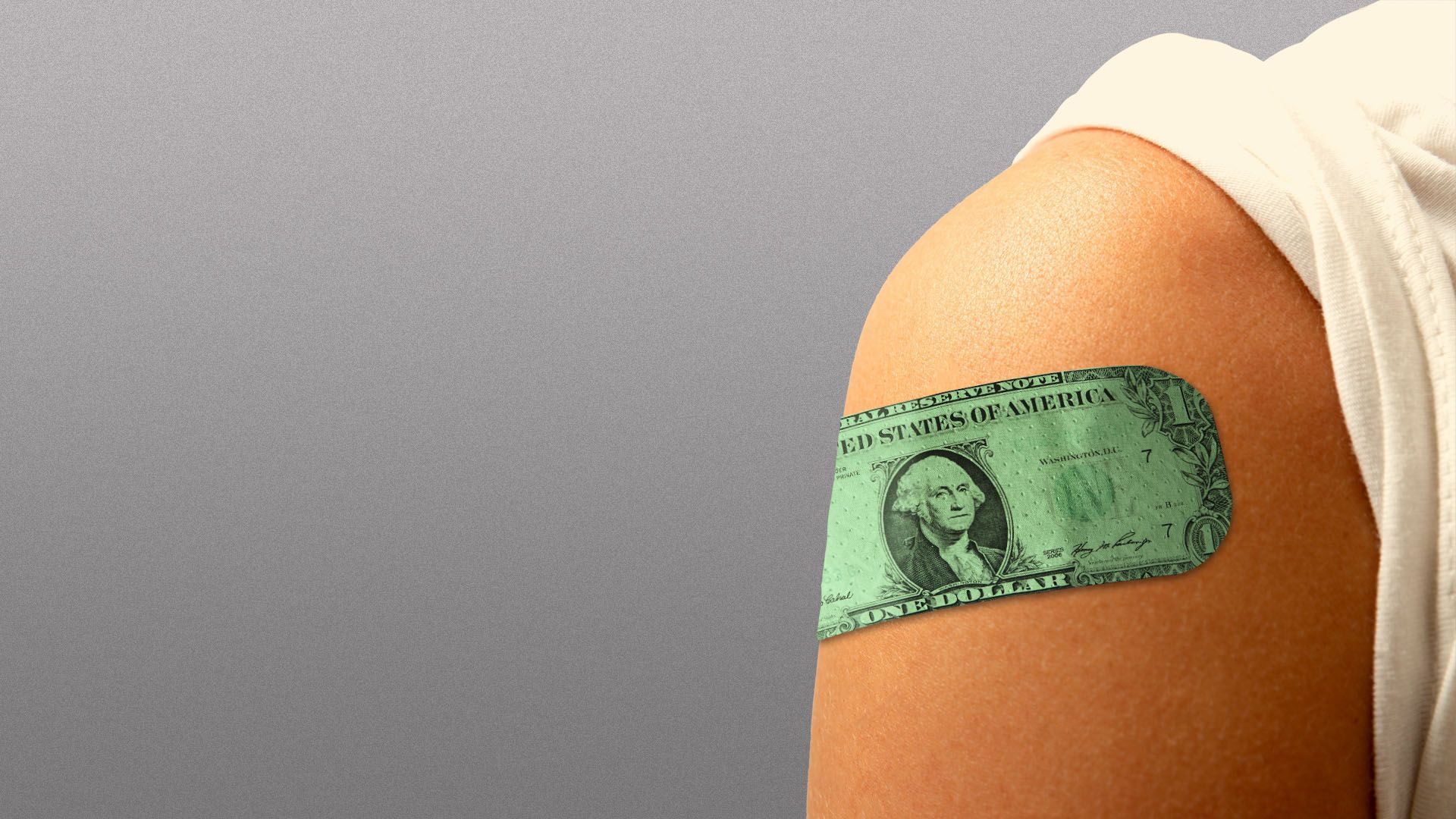
Trump administration efforts to tamp down Medicare spending have spawned a high-stakes legal fight over bioengineered wound-care products used for purposes like covering diabetic sores.
Why it matters: So-called skin substitutes are a massive cost driver in health care, and this will be a test of the federal government's ability to actually bring spending down.
- Medicare officials' change is expected to cut spending on the skin substitutes by an estimated $19.6 billion this year after outlays ballooned fortyfold in five years, accompanied by accusations of suspicious spending and patient harm.
- But biotech manufacturers are fighting back, in a case that could become a bellwether for the Trump administration's broader moves to address waste and fraud in the medical system.
State of play: A coalition of manufacturers is challenging the decision to pare Medicare payments in court, saying it's arbitrary and goes against laws outlining how Medicare pays for biologics.
- The average price per square inch for the bandages used on diabetic ulcers and severe burns reached nearly $6,000 last year, per a New York Times investigation.
- Medicare officials finalized the payment change in the face of heavy lobbying from wound care companies aided by Ballard Partners, a firm with close ties to the Trump administration.
The lawsuit has been assigned to U.S. District Court Judge Reed O'Connor, who's known for invalidating federal health regulations, mostly from Democrat administrations.
CMS administrator Mehmet Oz said at a health conference this week that he's "highly confident" the administration will prevail.
- "There's good vendors out there, I'm quite sure," Oz said. But, he added, most skin substitutes "had no data that would support them being continued on any formulary."
The intrigue: The administration last year scrapped a Biden-era policy to reduce Medicare spending on the bandages after a skin substitutes company donated $5 million to the MAGA Inc. PAC, the Times reported.
2. Wide disparities found in hospital drug prices


Prices of common drugs for cancer, multiple sclerosis and other conditions can vary widely depending on the hospital where they're administered, research firm 3 Axis Advisors says in a new report.
Why it matters: Hospital pricing remains opaque, and it's possible for the same drug at the same hospital to have a dozen different prices on the same day, according to the findings prepared for the nonprofit Patient Rights Advocate and provided first to Axios.
- That's despite federal rules requiring hospitals to provide comprehensive files with all of their offered items and services and consumer-friendly lists of services that would let patients compare prices.
What they found: A 200-milligram dose of the cancer drug Keytruda ranged from $12,000 to $43,000, the research firm found through files published under the transparency rules.
- The immunotherapy Opdivo ranged from $17,000 to $67,000, while the MS drug Ocrevus was priced from $16,000 to $65,000.
- One insurer might pay $1 while another pays $2,347 for the same service at the same facility, according to the analysis of more than 1,300 hospital files.
- The cash discount for uninsured patients in half of the cases examined was only 30% or less off the full list price.
3. More trust for scientists than agency heads

The public has higher confidence in career scientists at federal health agencies and former top health official Anthony Fauci than in current Trump administration health appointees, a new survey finds.
Why it matters: Some of the upheaval within federal health agencies in the Trump administration has stemmed from disputes between agency leaders and career health officials.
By the numbers: 38% of U.S. adults are confident Health Secretary Robert F. Kennedy Jr. provides trustworthy public health information, according to the survey from the Annenberg Public Policy Center, and 42% say the same for CMS administrator Mehmet Oz.
- By contrast, 67% have confidence in career scientists at the CDC, NIH and FDA.
- 54% say Fauci, a former top NIH official, provided the public with trustworthy information.
Between the lines: Medical professional organizations also outperformed the government.
- Asked if the American Medical Association and CDC disagreed on the safety of a vaccine, which recommendation they would trust, the public chose the AMA 34% to 15%, with 34% unsure.
- The survey of 1,650 U.S. adults was conducted Feb. 3-17.
4. Quote du jour

"These targets are some of the easiest things that I've broken in my entire career. That's a bit dangerous when you have this ease of exploitation connected to sensitive use cases."— Aaron Portnoy, chief product officer at Mindgard, after tricking Utah's first-in-the-nation AI system that allows prescriptions to be refilled without a doctor's direct sign-off.
5. Catch up quick
⚠️ The FDA's top drug regulator is working to hire a researcher and friend who wants to add new warnings to antidepressants about unproven pregnancy risks. (AP)
💰 NIH is months behind on dispersing the bulk of its FY26 money to grantees, and research advocates worry that the administration could claw back the funds. (Bloomberg Law)
🗞️ Surgeon general nominee Casey Means' newsletter sponsors have been accused of selling products with hazardous ingredients, unsafe levels of lead or traces of a forever chemical. (Rolling Stone)
Thanks for reading Axios Vitals, and to editors Adriel Bettelheim and David Nather and copy editor Matt Piper. Please ask your friends and colleagues to sign up.
Sign up for Axios Vitals