Axios Vitals

April 14, 2025

Happy Monday, Vitals readers. Today's newsletter is 970 words or a 3.5-minute read.
🩺 Situational awareness: "President Trump exhibits excellent cognitive and physical health," his physician wrote in a memo released Sunday following his checkup at Walter Reed National Military Medical Center.
1 big thing: New push to halt assaults of health workers
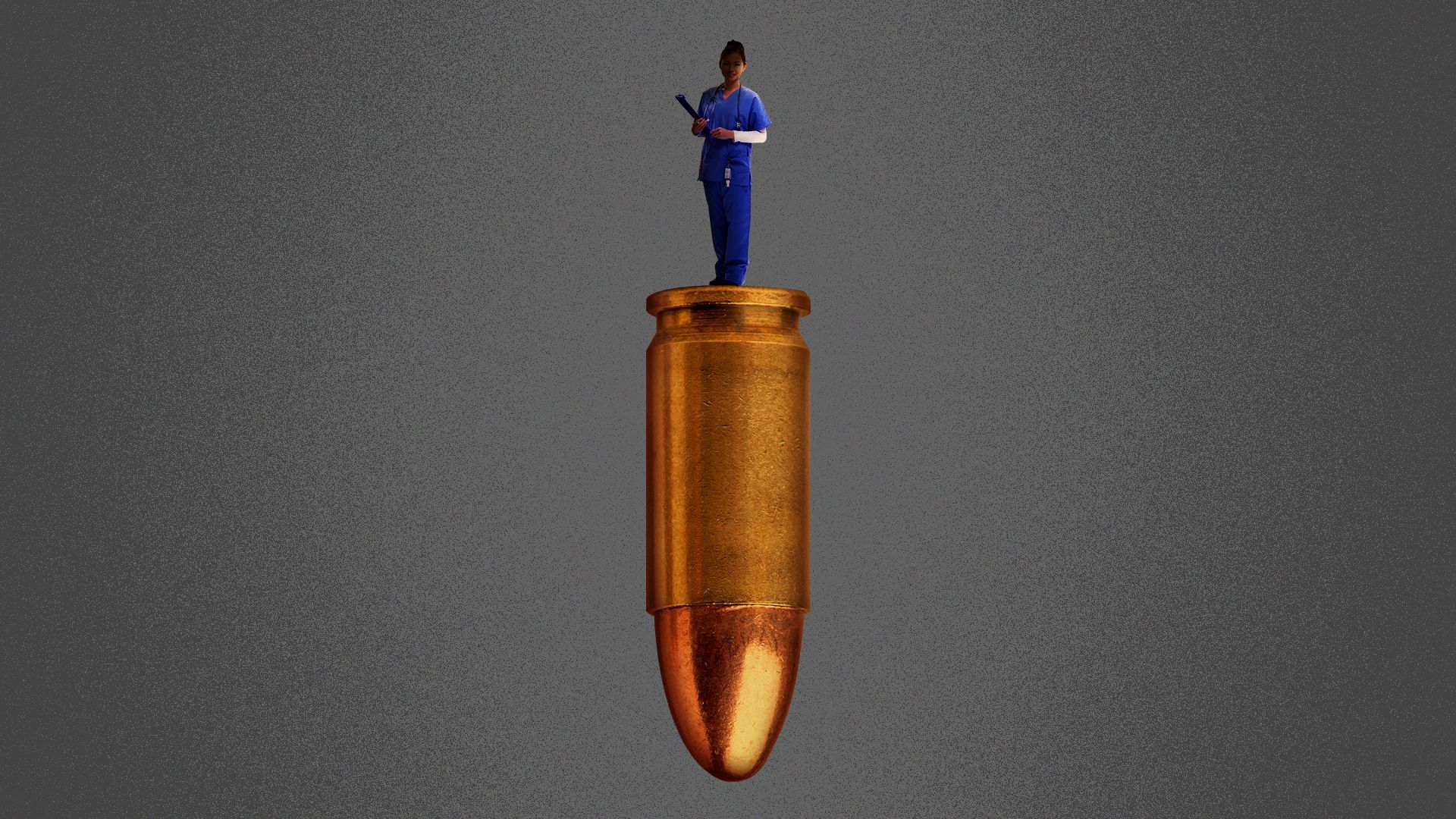
A new round of workplace violence in hospitals and clinics is lending urgency to efforts to create a first-ever federal standard for protecting nurses, social workers and others in the medical system.
Why it matters: Health care workers routinely rank in government statistics as among the likeliest to experience threats or assault on the job. But there's no nationwide requirement for health systems to perform hazard assessments, train employees about dangers or inform them of their rights.
Driving the news: Sen. Tammy Baldwin (D-Wis.) and Rep. Joe Courtney (D-Conn.) this month introduced legislation that would require health care employers to write and implement a workplace violence prevention plan.
- An effort to make people who assault hospital employees subject to federal charges did not progress in the last Congress, with nurses unions saying it could have criminalized patients.
- National Nurses United backs the legislation.
The moves in Congress come after a spate of high-profile incidents, including a gunman taking hostages in a York, Pennsylvania hospital's intensive care unit and the lockdown of a Troy, Michigan hospital after one of its employees shot a co-worker in a parking garage.
- A 2024 survey by the union found 8 in 10 nurses said they'd experienced violence on the job in the last year.
- "Nurses are getting injured at work as a result of workplace violence every day," Michelle Mahon, director of nursing practice for National Nurses United, told Axios.
Hospitals say they are increasingly investing in physical design that can improve safety. At least 6 in 10 hospitals already have violence prevention plans, per the American Hospital Association.
- The AHA has also been working with the FBI to understand the nature of violence in health facilities to find more ways to help prevent it.
2. Hospitals see a small pay raise from Medicare
Hospitals are due to receive $4 billion more from Medicare under a proposed fiscal 2026 inpatient payment rule the Trump administration released on Friday.
Why it matters: The 2.4% increase comes after the Trump administration finalized a larger pay boost to Medicare Advantage plans that hospitals say are likelier to require preapprovals, deny claims and pay less than what providers bill for.
The big picture: While some of the biggest hospital chains have seen their fortunes rebound since the pandemic, smaller rural facilities are struggling to keep their doors open.
- The industry also could see its financial outlook change from federal cutbacks to Medicaid.
What they're saying: "We are very concerned that this update will hurt our ability to care for our communities," the American Hospital Association said in a statement.
CMS said it's proposing to drop quality measures for health equity, COVID-19 vaccination coverage of health care workers and screening for social determinants of health. Under the current system, hospitals can see their payments reduced for falling short on such benchmarks.
- Administrators are also requesting input on enhancing nutrition and physical activity "to promote better wellness through quality measurement and other initiatives."
3. Trump admin shrinks federal Medicaid funding
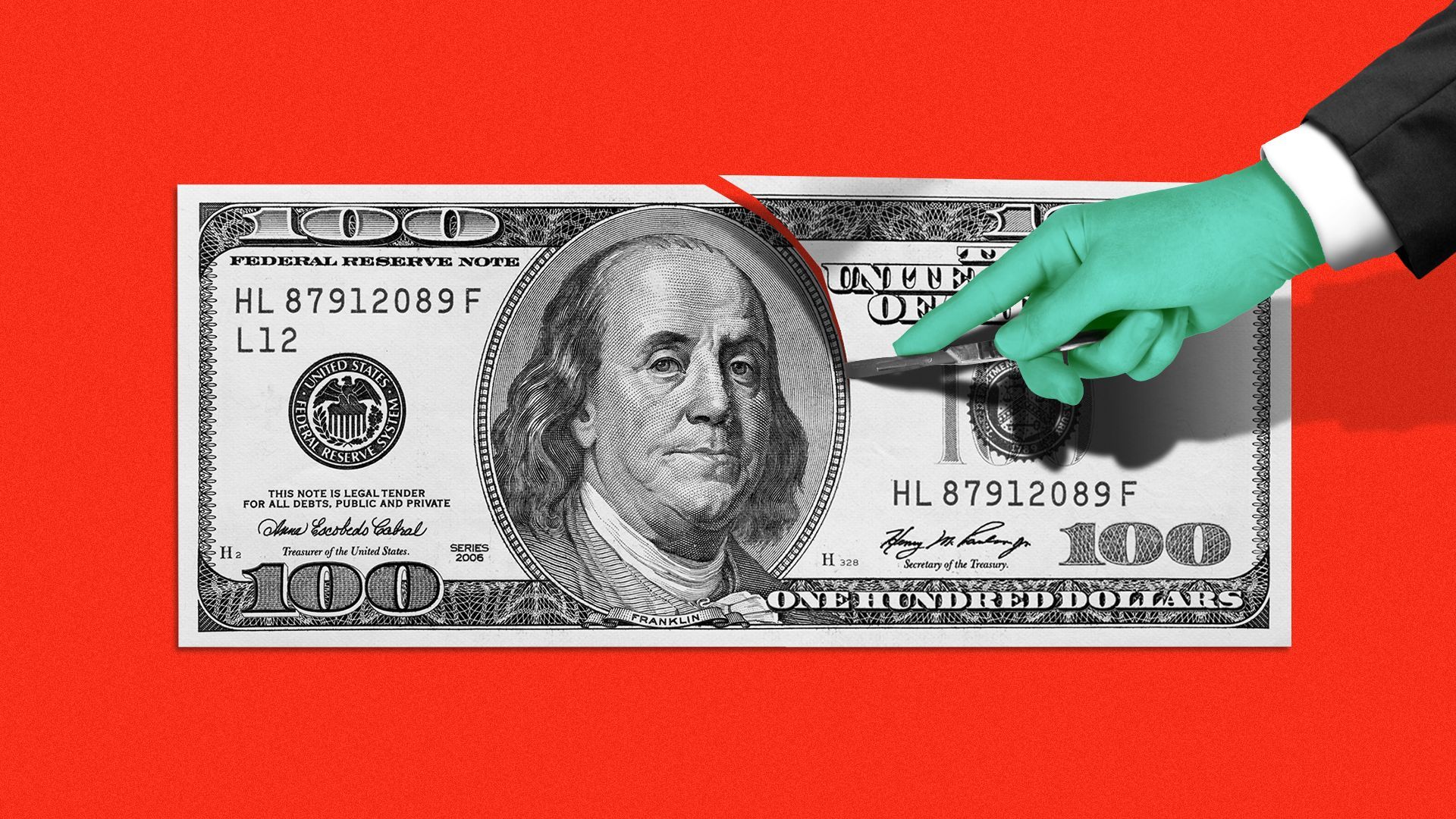
The Trump administration is cutting a key Medicaid financing tool used to help states pay for health care programs it says diverge from the program's core mission.
Why it matters: The change essentially reverts back to a policy from the first Trump administration and begins to flesh out the current administration's messaging about wanting to cut Medicaid expenses without touching benefits.
State of play: CMS told states last week it doesn't plan to renew or approve new requests for federal matching funds for so-called designated state health programs.
The policy change takes aim at CMS' practice of approving extra federal Medicaid dollars for states that are independently funding programs that wouldn't otherwise be eligible for federal Medicaid funds.
- The arrangement doesn't directly fund these programs, but rather frees up state dollars so that states can continue funding these programs while also investing in Medicaid innovations.
- Programs include high-speed internet for rural health providers in North Carolina, student loan repayments in California and in-home services, such as housekeeping, in New York.
The announcement doesn't stop states from continuing to fund high-speed internet programs and other initiatives that get at social determinants of health and other public health goals, said Morgan Craven, a director of state programs and policy at ATI Advisory.
4. RFK to FDA: Don't be part of "deep state"

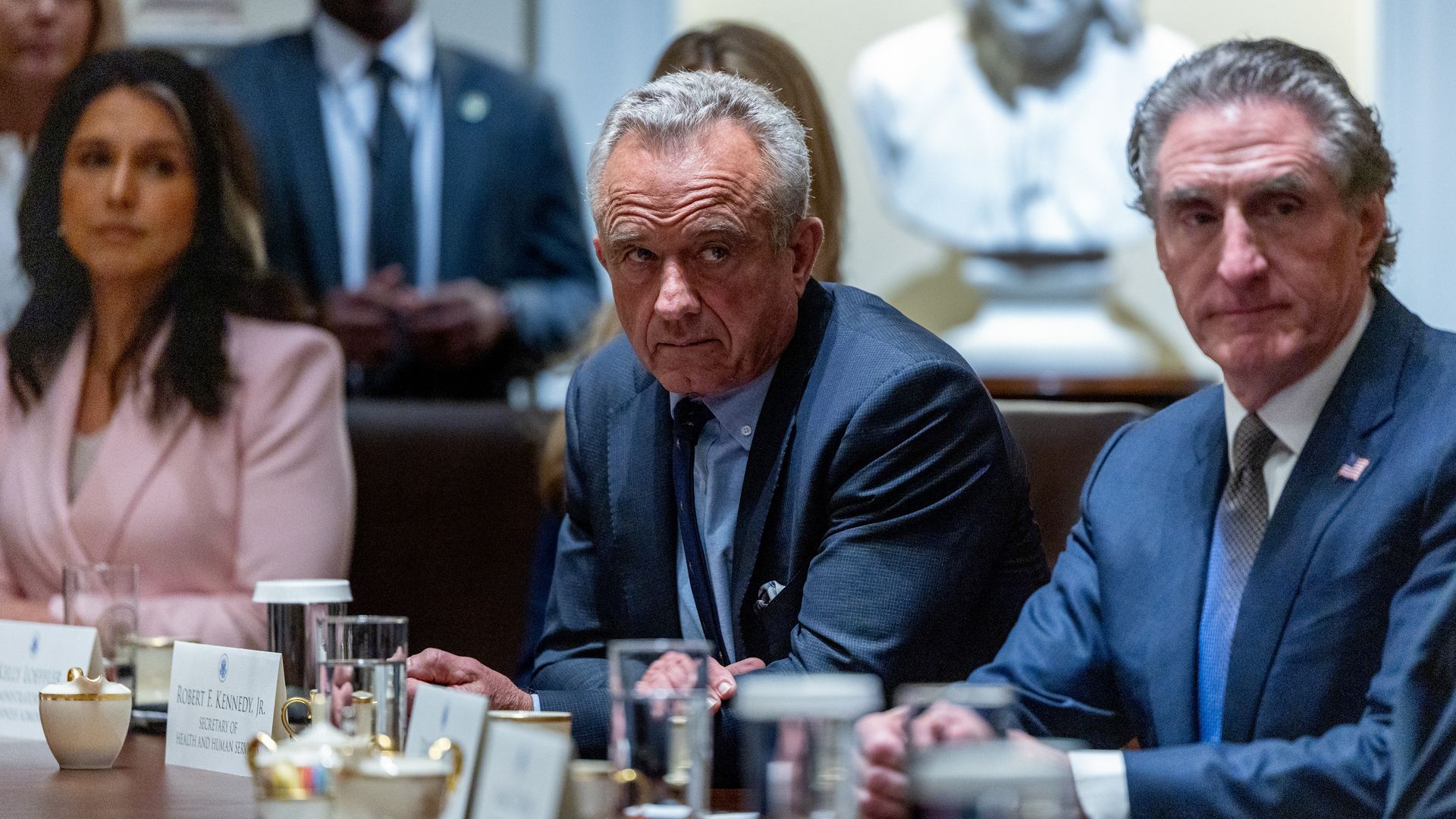
Health Secretary Robert F. Kennedy Jr. used an appearance at the FDA's headquarters to assert his claim that the agency is part of the "deep state" and the FDA had become a "sock puppet" of industries it regulates.
- In unscripted remarks, Kennedy didn't mention layoffs and restructurings that have eliminated 3,500 FDA jobs but touted his agenda aimed at reducing childhood chronic diseases.
Transcripts of the remarks were quickly leaked to media outlets, including Axios, and some FDA employees walked out before Kennedy finished, according to multiple accounts.
5. Quote du jour
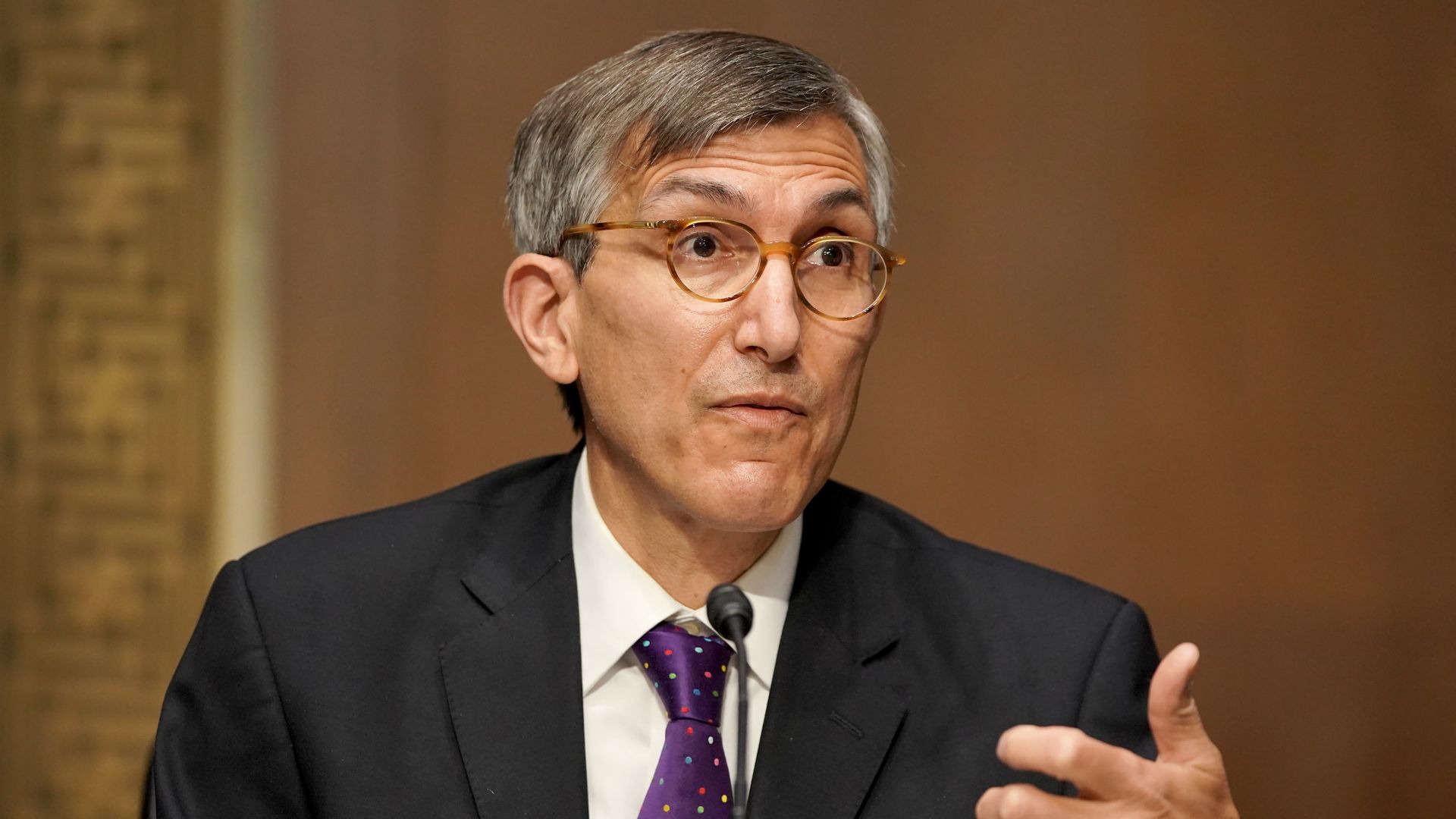
"People who don't know science, people who don't know how science works, people who want to control other people by pseudoscience, they talk in absolute terms. But the way you detect a true scientist from a pseudoscientist is because it's very rare for a scientist to talk in absolutes.— Peter Marks, the FDA's former director of the Center for Biologics Evaluation and Research
That was the response from Marks, the FDA's former top vaccine official who stood up Operation Warp Speed, to a question Sunday from CBS News' Margaret Brennan about Robert F. Kennedy's claim that the cause of autism will be found by September.
- Marks, who resigned in protest earlier this month, also warned about the danger of giving families "false hope."
6. While you were weekending

✂️ Trump's HHS eliminated the office that sets poverty levels tied to benefits for at least 80 million people. (KFF Health News)
🚫 The CDC denied Milwaukee's request for help with unsafe lead levels in public schools. (CNN)
💰 Blue Cross Louisiana approved mastectomies and breast reconstructions for women with cancer but refused to pay full bills. (ProPublica)
Thanks for reading Axios Vitals, and to senior health care editor Adriel Bettelheim, managing editor Alison Snyder and copy editor Matt Piper. Please ask your friends and colleagues to sign up.
Sign up for Axios Vitals