Axios Vitals

January 05, 2024

😎 We've made it to the first Friday of the year! Today's newsletter is 983 words or a 3.5-minute read.
1 big thing: The problem with low prices
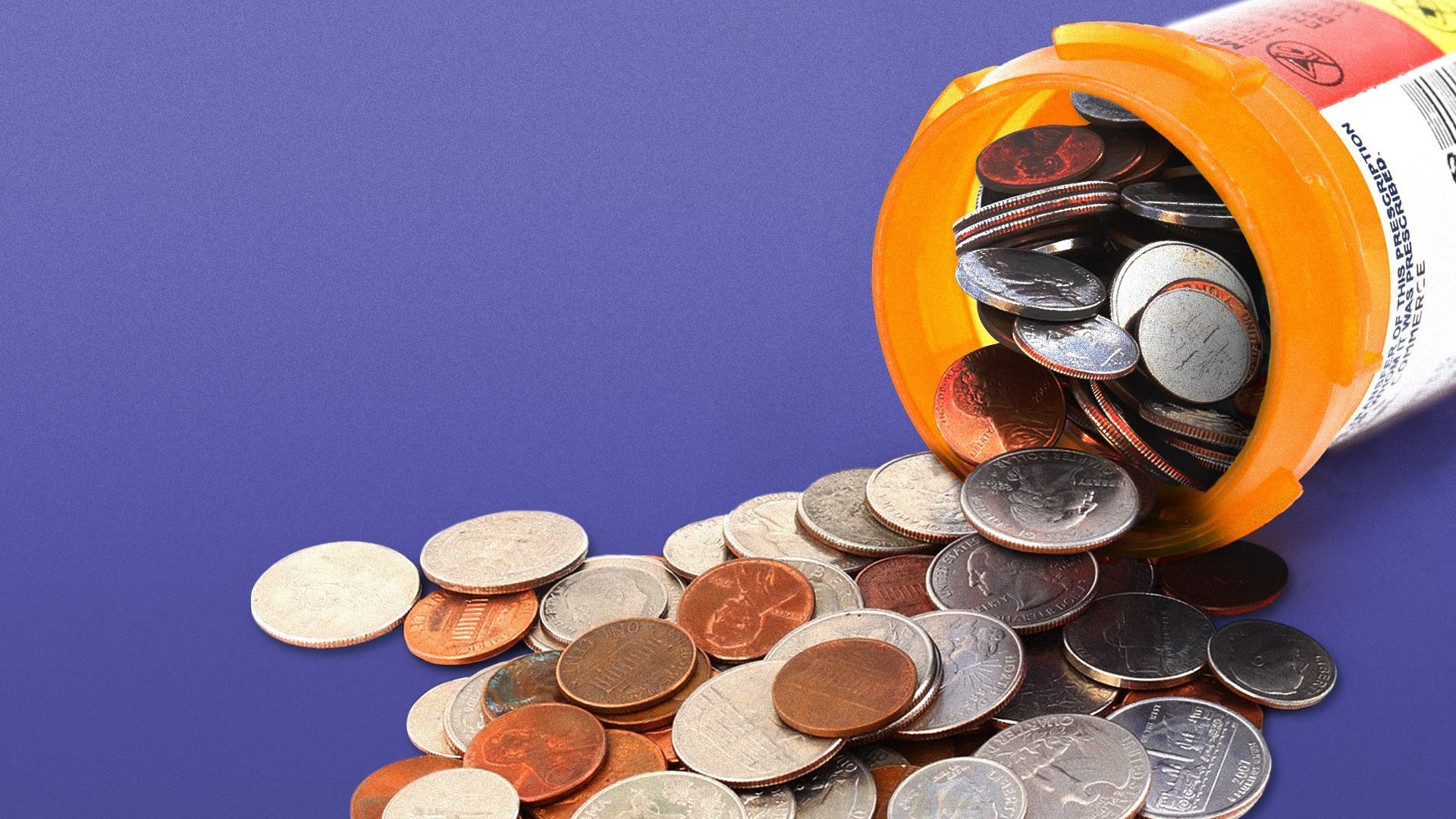
Illustration: Gabriella Turrisi/Axios
A rash of generic drug shortages across the United States can be partly explained by a somewhat counterintuitive and politically inconvenient factor: The prices are way too low.
Why it matters: Proposals for addressing the complex factors driving the scarcity wouldn't come cheap, and that's especially true of the politically popular push to make more drugs in America, writes Axios' Caitlin Owens.
The challenging economics of domestic drug production don't only affect how our health system deals with unusually high levels of drug shortages — they also raise major national security implications, given U.S. dependency on foreign suppliers.
- But making more generic drugs at home would inevitably cost much more and require taxpayers, hospitals or patients themselves to pay more. Other commonly discussed options for easing shortages would also raise costs, albeit by not as much.
- "Our drugs in the U.S. are either too expensive or too cheap," said Janet Woodcock, the FDA's principal deputy commissioner.
The big picture: Drug shortages have multiple causes, including factors like increased demand, natural disasters disrupting production and manufacturing quality issues.
- Generic drugs are much cheaper than branded versions, as manufacturers compete for market share based on price. This creates a race-to-the-bottom effect.
- For some especially cheap generics, there's less incentive for competitors to join or remain in the market, so there's less room for error if a drugmaker stops making a product or has production issues.
- Shortages are more common among drugs with lower list prices, according to a November report from health analytics firm IQVIA.
What they're saying: "If we want resilience of our supply chains, we'll have to pay for it," said Marta Wosińska, a senior fellow at the Brookings Institution. "How we're going to pay for it is going to depend on the mechanisms through which we're going to build resilience."
- "If you want us to make in America, great," said David Gaugh, interim president and CEO of the Association for Accessible Medicines, which represents the generics industry. "You're going to have to find a way to increase the price to do that."
2. Study examines GLP-1s and suicidal thoughts
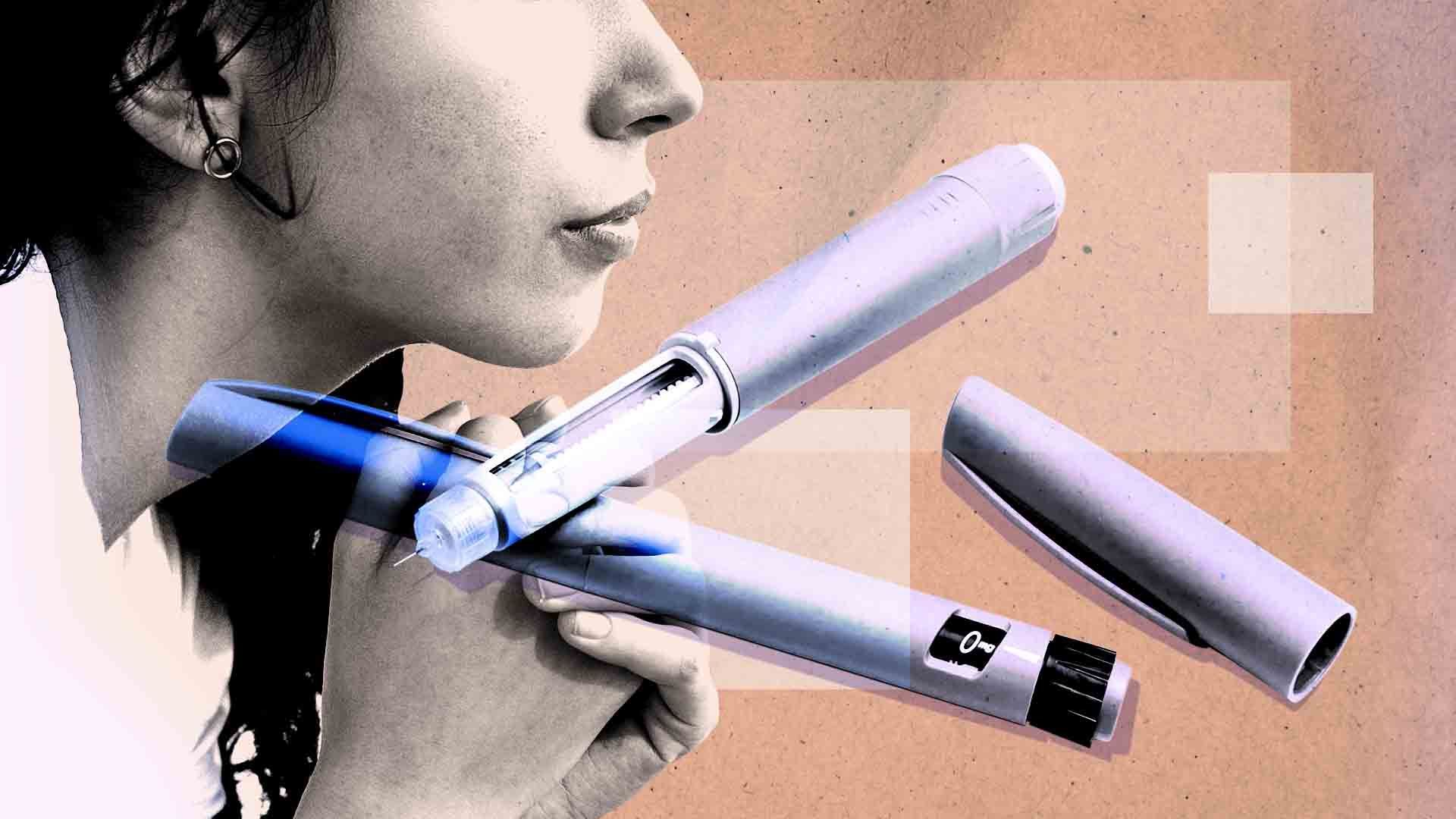
Illustration: Sarah Grillo/Axios
A new federal study finds a popular obesity and diabetes drug was associated with a lower risk of suicidal ideations compared with other medications treating those conditions.
Why it matters: The findings come as the FDA and European drug regulators probe reports of suicidal thoughts in people taking such drugs, Tina writes.
- The National Institute on Drug Abuse said the study, which it helped lead, is the first comprehensive analysis of whether semaglutide, the active ingredient in Novo Nordisk's Ozempic and Wegovy, is associated with increased risk of suicidal ideation.
Details: The study in Nature Medicine examined electronic health records of more than 240,000 patients who were overweight or obese and 1.6 million patients with Type 2 diabetes. The patients had been prescribed either semaglutide or a non-GLP medication for their condition.
- They found semaglutide was associated with a 49% to 73% lower risk of suicidal ideations compared with the other drugs.
3. Big insurer scoops up infusion firm
Illustration: Shoshana Gordon/Axios
Health insurance giant Elevance Health is acquiring Paragon Healthcare for well north of $1 billion, scooped Axios' Claire Rychlewski.
Details: Paragon provides home and on-site infusion therapy, plus specialty pharmaceuticals, rare disease care, and bleeding disorder treatment.
- Along with its physical centers, Paragon also offers in-office infusion suites for physicians.
- The company is licensed to serve patients in all 50 states and has around 50 infusion centers located across eight of them.
What they're saying: Elevance, which operates Blue Cross and Blue Shield plans in 14 states, said the acquisition would deepen its specialty pharmacy business and support its efforts to address customers' "whole health."
- The companies expect the deal to close in the first half of 2024.
- The deal comes almost a year after Elevance acquired another specialty pharmacy, BioPlus, as it builds up its health services business.
A version of this story was published first on Axios Pro. Subscribe to Axios Pro Health Tech Deals.
4. Providers balk at info-blocking proposal

Illustration: Aïda Amer/Axios
Hospitals and doctors are fighting a Medicare plan to dock the pay of providers who are found to be blocking the flow of patients' electronic health information.
Why it matters: Some hospitals' losses under the plan could be more than 10 times the estimated median penalty of nearly $395,000, the American Hospital Association wrote to officials this week.
Context: As part of ongoing efforts to promote electronic sharing of patient health information, Medicare in October proposed that providers blocking access to or the exchange of patient information lose out on certain annual payment increases, receive lower quality performance scores and face other penalties.
- The push stems from the 21st Century Cures Act and takes aim at practices like charging high fees to transfer records or denying the exchange of information between practices in order to control patient referrals.
What they're saying: AHA, along with trade groups representing doctors, asked officials to lay out an appeals process for the penalized providers and make other changes.
- The process used to determine if providers have withheld information isn't clear, "giving this proposed rule the appearance of being arbitrary and capricious," AHA wrote.
By the numbers: HHS has received 869 possible claims of information blocking so far.
5. Catch up quick
Eli Lilly will sell its weight-loss drug and other medicines directly to patients. (Axios)
As COVID cases rise again, Paxlovid use among high-risk patients is still low. (New York Times)
UnitedHealth Group in a new lawsuit accused two former executives of stealing trade secrets to found diabetes management startups. (Modern Healthcare)
A surge in cholera deaths prompted Zambia to delay the start of the school year. (Bloomberg)
6. Dog of the week

Santana. Photo: Gabrielle Little
Meet Santana, a Newfoundland/Great Pyrenees mix who lives in Washington, D.C.
- This cutie was submitted by mom Gabrielle Little from the communications department at Children's National Hospital.
Is 2024 the year you'll finally share your pet with the Vitals community? Send us a photo along with a brief description of what makes your fur child so special.
Thanks for reading Axios Vitals, and to health care editor Jason Millman and copy editor Matt Piper. Please ask your friends and colleagues to sign up.