Axios from Tel Aviv

November 17, 2021
Welcome back to Axios from Tel Aviv.
- Every Wednesday we bring you my best scoops, reporting from a contributor in the region and the latest from Israel.
- Today's edition (1,971 words, 7½ minutes) starts with scoops on the Iran talks and a big solar surprise.
1 big thing: Scoop... U.S. floats interim Iran nuclear deal
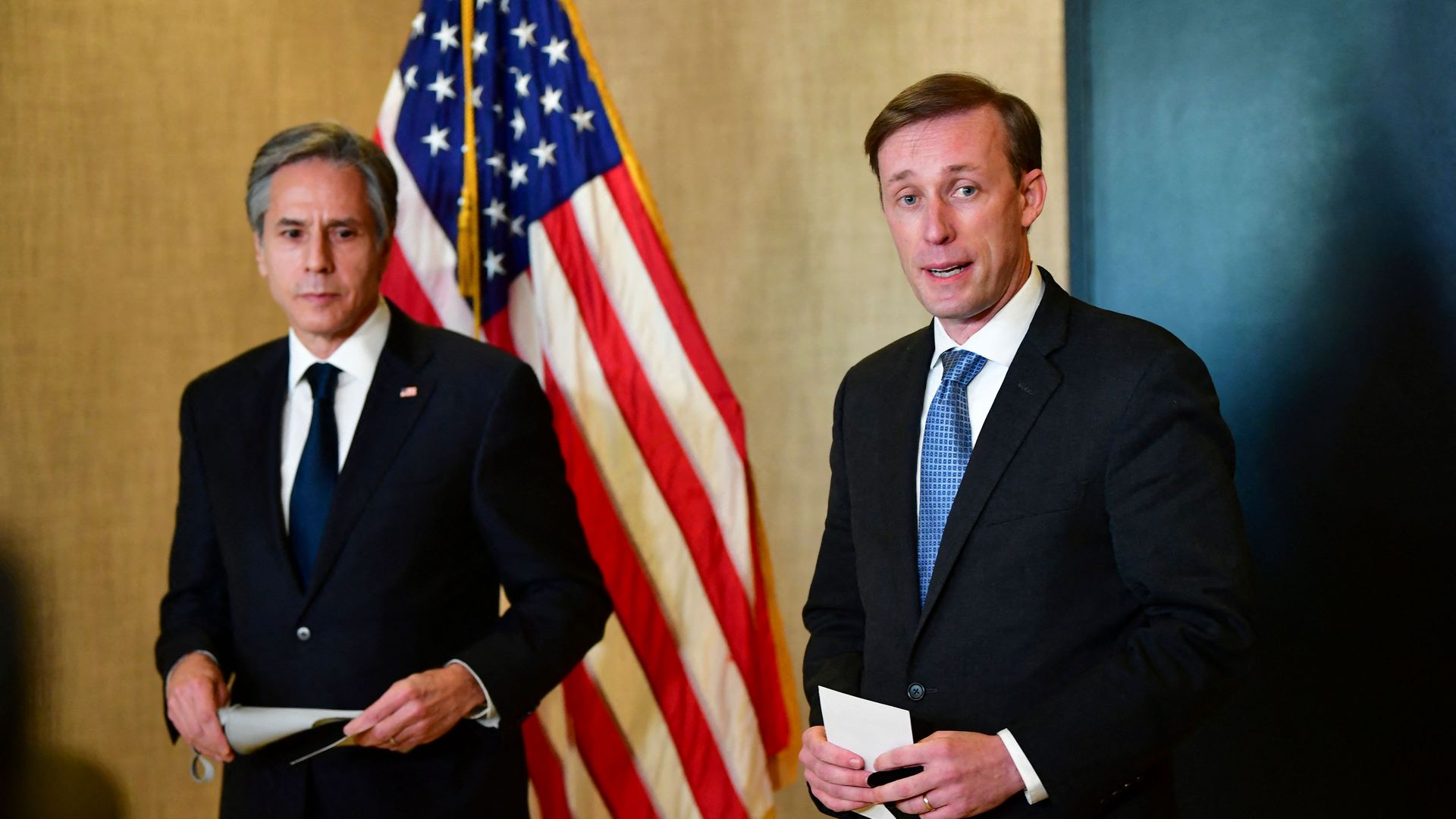
Sullivan (R) with Blinken. Photo: Frederic J. Brown/POOL/AFP via Getty
National security adviser Jake Sullivan raised with his Israeli counterpart the idea of an interim agreement with Iran to buy more time for nuclear negotiations, three Israeli and U.S. sources tell me.
Why it matters: The idea is only preliminary, and the Biden administration continues to insist that the full 2015 nuclear deal be restored. But with nuclear talks set to resume in Vienna on Nov. 29, it provides a window into at least some of the thinking inside the administration.
Behind the scenes: In recent weeks, Sullivan raised the idea of an interim deal while discussing next steps on the Iranian nuclear file with his counterpart Eyal Hulata.
- Two American sources familiar with the call say the two were just "brainstorming" and that Sullivan was passing along an idea put forward by one of America's European allies.
- The rationale for an interim deal is that Iran's dramatic nuclear advances have put Tehran very close to the uranium enrichment levels needed for a nuclear weapon.
- According to the U.S. sources, the idea was that in exchange for a freeze from Iran (for example, on enriching uranium to 60%), the U.S. and its allies could release some frozen Iranian funds or provide sanctions waivers on humanitarian goods.
The other side: Hulata told Sullivan he thought it wasn’t a good idea and stressed the Israeli concern that any interim deal will become a permanent agreement that allows Iran to maintain its nuclear infrastructure and uranium stockpile, an Israeli official said.
- In another call with Sullivan on Tuesday, Hulata also stressed that the U.S. and its European allies must push for a censure resolution against Iran in next week's meeting of the International Atomic Energy Agency (IAEA) in Vienna, a source familiar with the conversations said.
- Such a move to censure Iran would come just days before nuclear talks are set to resume.
- A spokesperson for the Israeli National Security Council said details of this story were inaccurate, but would not specify which details and did not deny that the idea of an interim deal had been discussed.
Meanwhile, U.S. Iran envoy Rob Malley visited Israel this week and met with Hulata as well as with Defense Minister Benny Gantz and Foreign Minister Yair Lapid, both of whom contended that the only way to get Iran back to the 2015 deal was to increase rather than loosen the pressure, according to a senior Israeli official.
- Malley made clear that the Biden administration also thinks more pressure on Iran is needed. The main difference is over the timing of further steps against Iran, the official said.
What to watch: The U.S. approach is to go to Vienna in good faith and see what Iran proposes, a U.S. source familiar with the administration policy said.
- If the Iranians make extreme demands, it will then be possible for the U.S. to get other world powers including Russia and China to increase the pressure, the source contended.
- Iran's position heading into the talks is that the U.S. must compensate Iran for its withdrawal from the deal, lift all (not just nuclear) sanctions imposed since 2015 at once, rather than in phases, and provide assurances that no future administration will back out of the deal.
What’s next: On Nov. 22, IAEA director general Rafael Grossi will travel to Tehran to discuss the agency’s concerns about limitations placed on UN inspectors in the country, followed by the IAEA board meeting on Iran (Nov. 24-25) and the resumption of negotiations (Nov. 29).
2. Scoop: Israel, Jordan and UAE to sign deal for huge solar farm
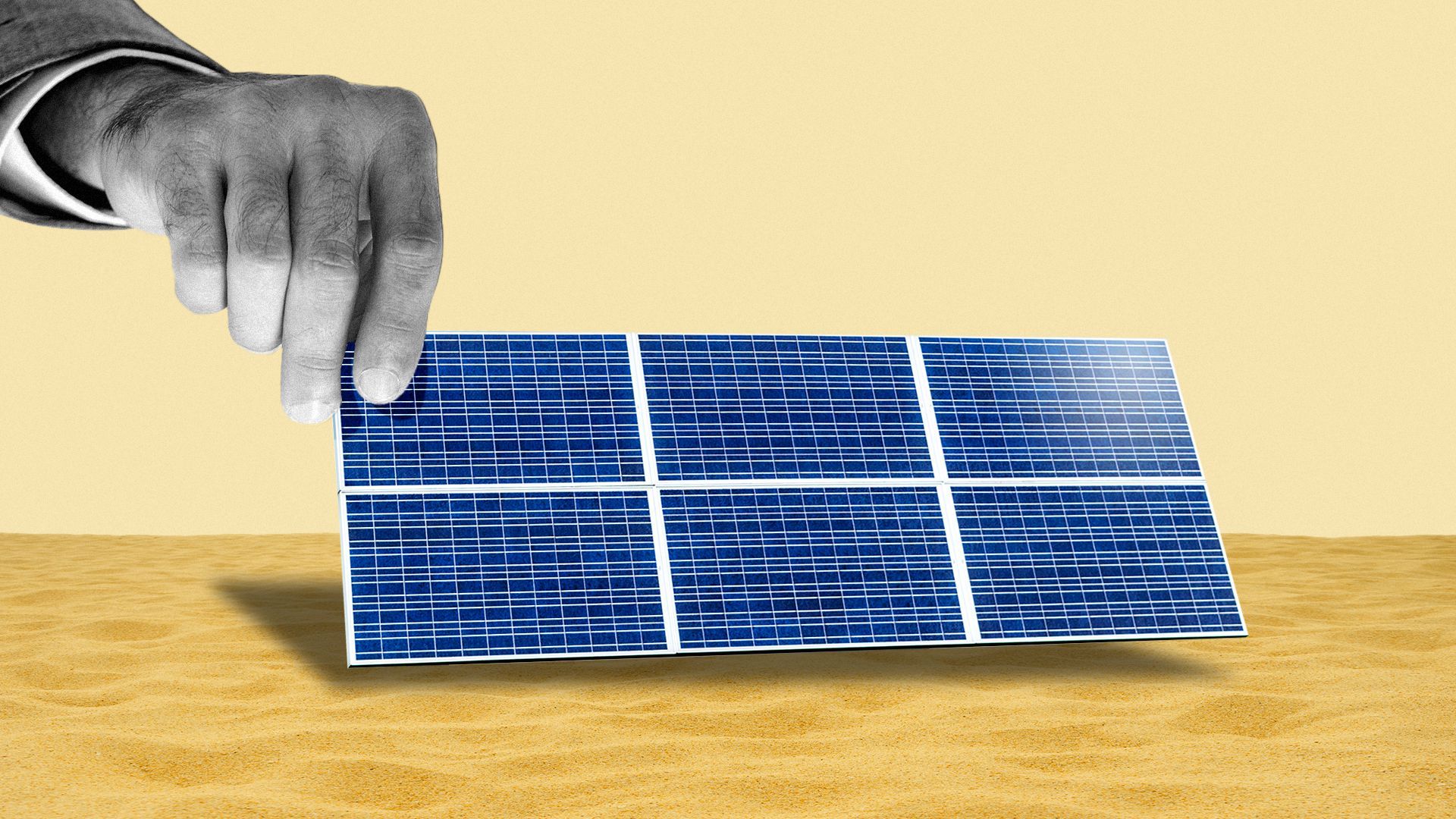
Illustration: Annelise Capossela/Axios
Israel, Jordan and the United Arab Emirates are set to sign a deal on Monday, pushed along by U.S. climate envoy John Kerry, to build a massive solar farm in the Jordanian desert, five Israeli officials tell Axios.
Why it matters: This is the biggest regional cooperation project ever undertaken between Israel and its neighbors. The plan calls for the UAE-funded solar farm to provide energy mainly to Israel, which will build a desalination plant on its Mediterranean coast to provide water to Jordan.
- The deal was made possible by the Abraham Accords and was helped across the finish line by several phone calls from Kerry to Jordan's King Abdullah II and Israeli Foreign Minister Yair Lapid.
- It is expected to be signed on Monday in Dubai by senior officials from Israel, Jordan and the UAE, with Kerry also expected to attend.
- The deal will only increase the strategic importance of the relationship between Israel and Jordan, which has improved significantly since Naftali Bennett replaced Benjamin Netanyahu as Israel's prime minister. It should also ease Jordan's water crisis.
Behind the scenes: The agreement is a result of secret talks between the three governments, which grew increasingly serious in September and matured into a draft agreement at the end of October.
- The deal was initially set to be signed two weeks ago during the COP26 climate conference in Glasgow.
- King Abdullah was prepared to move ahead, but Bennett asked to postpone the signing out of a concern that it would generate domestic political criticism days before a critical vote on Israel's budget, Israeli officials say.
The backstory: The vision behind the project originally came from EcoPeace Middle East, a regional environmental nongovernmental organization.
- The logic was that Israel needs renewable energy but lacks the land for massive solar farms, which Jordan has.
- Jordan, meanwhile, needs water but can only build desalination plants in the remote southern part of the country, while Israel's coastline is closer to Jordan's big population centers.
Details: The solar farm will be built by Masdar, a UAE government-owned alternative energy company.
3. Israel seeks release of couple facing spy charges in Istanbul
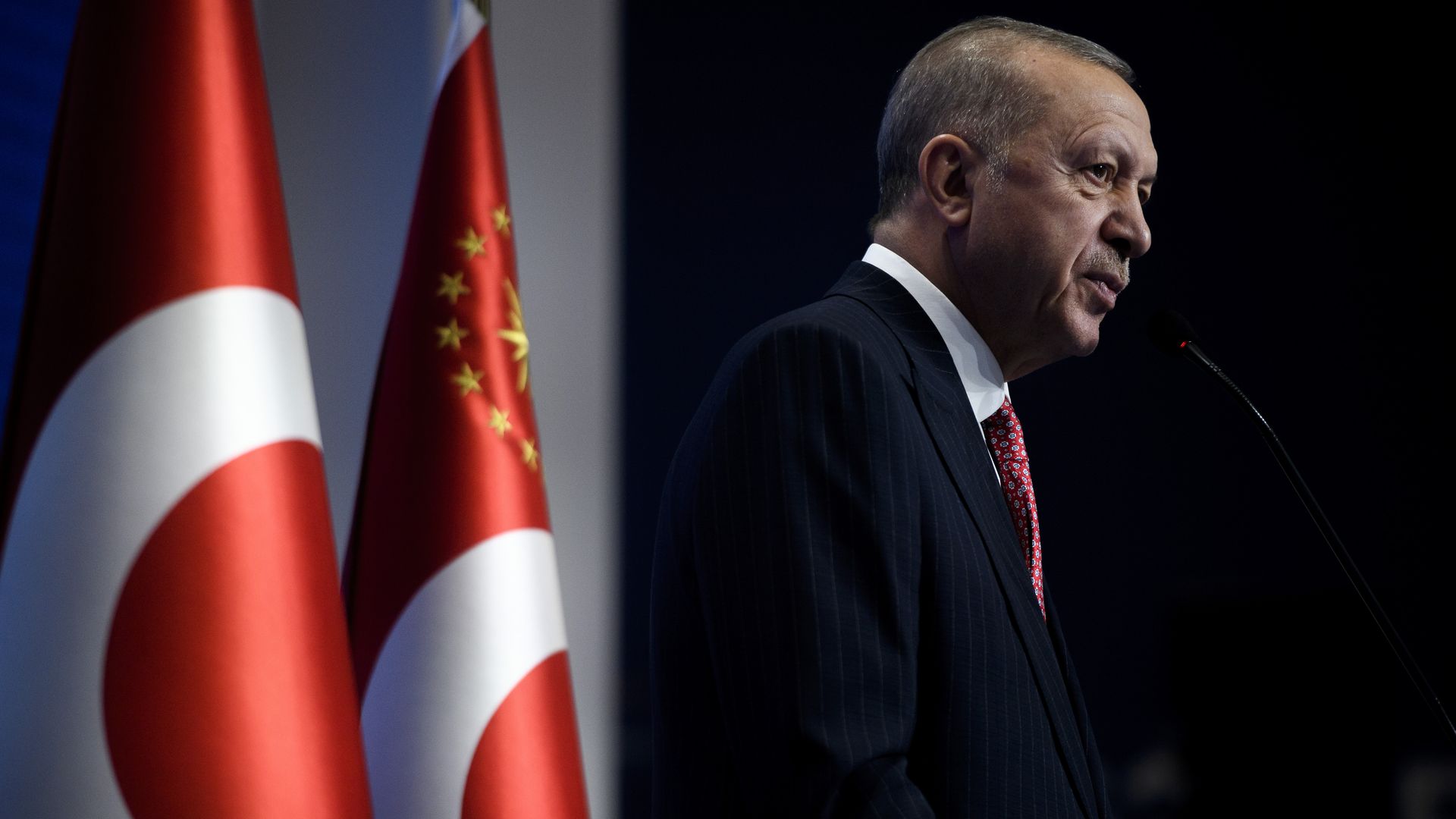
Erdoğan. Photo: Antonio Masiello/Getty
The Israeli government’s diplomatic efforts have been focused in recent days on securing the release of two Israeli tourists arrested in Turkey on espionage charges.
Why it matters: The incident has the potential to become another major crisis in the already strained Turkish-Israeli relationship.
The backstory: The Israeli couple, bus drivers in their 40s, visited the highest structure in Istanbul — the Camlica Tower — and began to take photos of the city, including of Turkish President Recep Tayyip Erdoğan’s residence.
- A worker at the tower's restaurant, who had apparently become suspicious of the couple, called the police. They were arrested and the case was transferred to Turkish intelligence.
- The Israeli government was not notified of the arrest and only learned of it two days later when the Turkish lawyer who was appointed to the couple contacted the consulate in Istanbul.
- The couple was indicted on Friday for spying, and their detention was extended until the beginning of a trial.
Behind the scenes: Israel and Turkey don't have ambassadors in each other's countries and channels of communication are limited. Several days of inquiries from the Israeli side went unanswered, and it wasn't even clear at first if they had reached senior officials in Ankara.
- The head of Israel's Mossad spy agency also reached out to his Turkish counterpart to offer assurances that the couple did not work for Israeli intelligence.
- Bennett and Lapid also released unusual public statements stressing that the arrested Israelis were innocent civilians.
- The Turkish government has been largely silent on the issue in public, but Turkish officials have told the Israelis in private that their messages are being taken into consideration.
Between the lines: Israeli Foreign Ministry officials say they still don't know if this was an incidental arrest that escalated or whether there is political motivation behind it.
- The officials say they're concerned Erdoğan might want to use the couple as bargaining chips to extract some kind of concession from Israel.
What to watch: The Israeli couple appealed the decision to extend their arrest until the trial. Israeli officials hope the appeal might present an off-ramp and that the couple might be deported to avoid a deeper crisis.
Worth noting: Just last month, Turkey's Sabah newspaper reported that 15 alleged members of a Mossad spy ring had been arrested in Turkey.
4. The view from Amman: Bringing Syria back into the fold
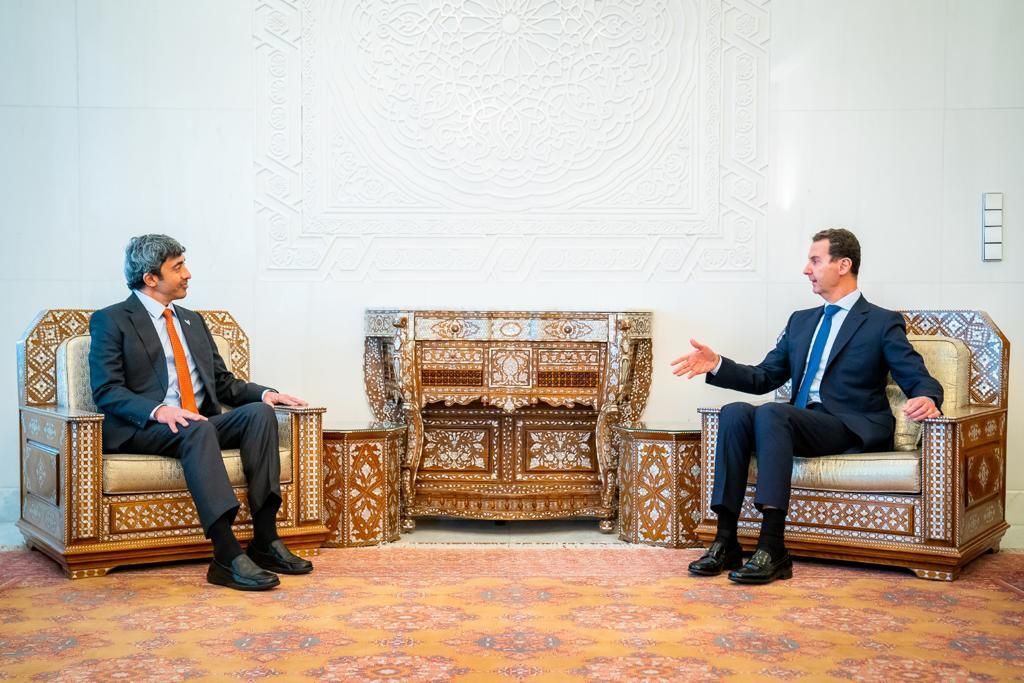
Jordan, Egypt and several other Arab countries are quietly lining up to tip the balance toward the return of Syria to the Arab League, Daoud Kuttab writes for Axios from Amman.
Why it matters: The regional body suspended Syria in 2011, and most countries in the region cut ties with Bashar al-Assad's regime. As Syria is brought back into the fold, the rush to benefit from the country's post-war reconstruction is already becoming apparent.
- Parts of Syria remain out of Assad's control, and the fighting is not fully over, but Assad hung onto power over a country that is now largely destroyed.
Driving the news: Last week, UAE Foreign Minister Abdullah bin Zayed visited Assad in Damascus. That's part of a trend of renewed engagement, including a call last month between Assad and Jordan’s King Abdullah II.
- The Saudi daily Asharq Al-Awsat revealed this week what it called a "Jordan-sponsored document" on reintegrating Syria into the Arab League. It would base normalization on policy shifts from the Syrians, mainly on curbing Iran’s influence in the country and the exit of pro-Iranian militias.
- Worth noting: Jordanian exports to Syria fell by two-thirds as a result of the closure of the borders between the two countries during Syria's civil war.
What they're saying: Kais Zayadin, a former Jordanian member of parliament who serves on a royal commission on modernizing Jordan's political system, says Jordan is looking to take a lead in rekindling relations with Syria.
- “Jordan wants to have a special role between Damascus and the West. This fits very well with Jordan’s goal to be the leader of a new Levant approach," he said.
- Zaid Nabulsi, a Jordanian lawyer and political activist, says Syria's return to the Arab fold "has become an irreversible fact."
- Tagreed Odeh, a Jordanian political analyst, says it seems Jordan, the UAE and other Arab countries are all working together to prepare the ground for the return of Syria to the Arab League during the next Arab summit in Algiers.
The other side: Secretary of State Tony Blinken and his Qatari counterpart Mohammed bin Abdulrahman Al Thani both said during a press conference on Friday that they are not considering normalization at this time.
- "We don’t support normalization, and again, we would emphasize to our friends and partners to consider the signals that they’re sending," Blinken said.
- Between the lines: It's unclear just how hard the U.S. is actually pushing partners like the UAE and Jordan on this issue.
5. Israel's ambassador arrives in D.C.
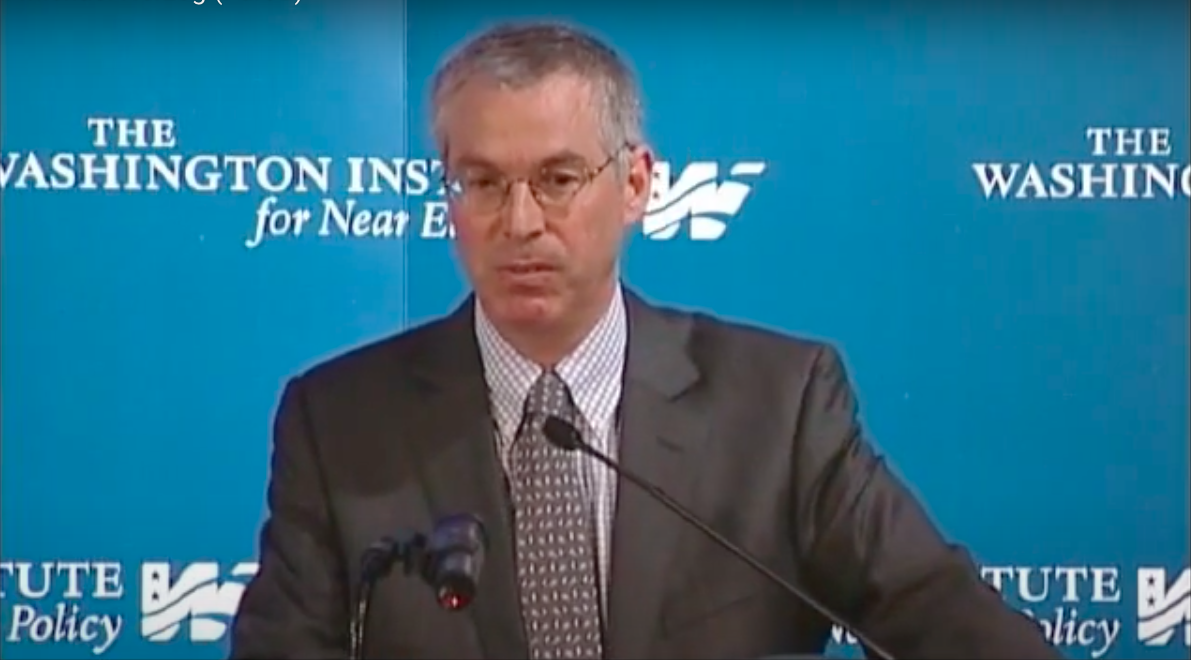
Mike Herzog, Israel’s new ambassador to the U.S., arrived in Washington over the weekend and started work on Monday.
Why it matters: As the most experienced and knowledgeable official in the Israeli government on the U.S.-Israel relationship, Herzog is expected to be the senior figure in Israeli diplomacy with the U.S.
- He has personal relationships with top officials including President Biden and Blinken. He's also the brother of Israeli President Isaac Herzog.
- Herzog, a retired general, is a veteran of several rounds of Israeli-Palestinian peace talks, including during the Obama administration.
His arrival will fill a vacuum in Washington. The previous ambassador, Gilad Erdan, was a Netanyahu appointee and had been based in New York because he also represented Israel at the UN.
- Erdan effectively became a lame duck after the new Israeli government was formed in June and thus Israel lacked an empowered ambassador in Washington for five months.
- In the meantime, the relationship was handled by advisers to Bennett and Lapid who were less experienced and didn't have prior relationships with most of the key players in the Biden administration.
What’s next: Biden's ambassador to Israel, Tom Nides, was recently confirmed by the Senate and is expected to arrive in Jerusalem right after Thanksgiving.
- He'll also be filling a vacuum, as the U.S. hasn't had an ambassador in Israel for nearly a year and was represented by a charge d’affaires in Michael Ratney, who didn't have a close relationship with Blinken or Biden.
Sign up for Axios from Tel Aviv

Go behind the scenes with Israel's most plugged-in reporter, Barak Ravid, on the events and decisions impacting the region.


