Axios Seattle

July 02, 2025


1 big thing: ⛔️ Pike Place's traffic test
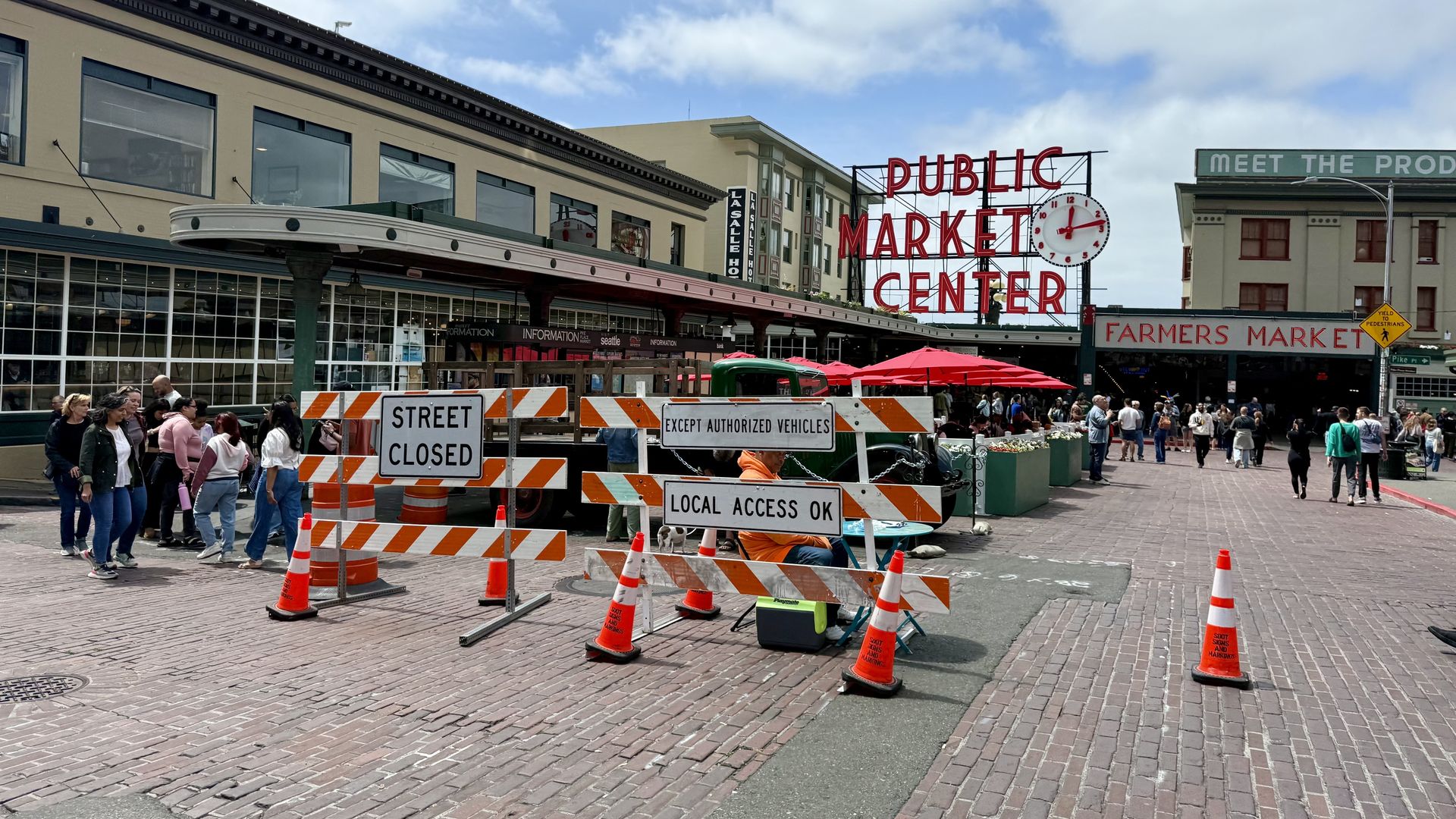
As Pike Place Market's crackdown on cars enters its third month, how well the pilot program is working depends on whom you ask.
Why it matters: The vehicle restrictions have transformed the pedestrian experience in the market and could become permanent — but some vendors say the changes have been bad for business.
Catch up quick: In April, the Pike Place Market Preservation and Development Authority started banning most cars from entering the market at First Avenue and Pike Street during the daytime.
- Officials also limited street parking in the area.
The latest: The experiment was partly to reduce conflicts between pedestrians and cars during ongoing roadwork at Stewart Street, which has narrowed the walkable area through part of the market.
- But officials now plan to continue the experiment beyond when that construction is scheduled to wrap up later this summer, KING 5 reports.
What they're saying: "We've been hearing a lot of positive feedback about the pilot overall, and we're continuing to make improvements," Madison Douglas of the Pike Place Market development authority told Axios.
- For instance, market officials initially limited daily vehicle traffic starting at 8am. But they shifted to a 10am start time after business owners said their customers found it difficult to "quickly drive in and pick up their usual groceries," Douglas said.
The other side: Mike Osborn, the co-owner of Sosio's Produce in the market, told KING 5 that regular customers still are avoiding the market because of the traffic restrictions, which could drive longtime businesses out.
- Customers "aren't coming because they don't want to hassle with it," Sosio said.
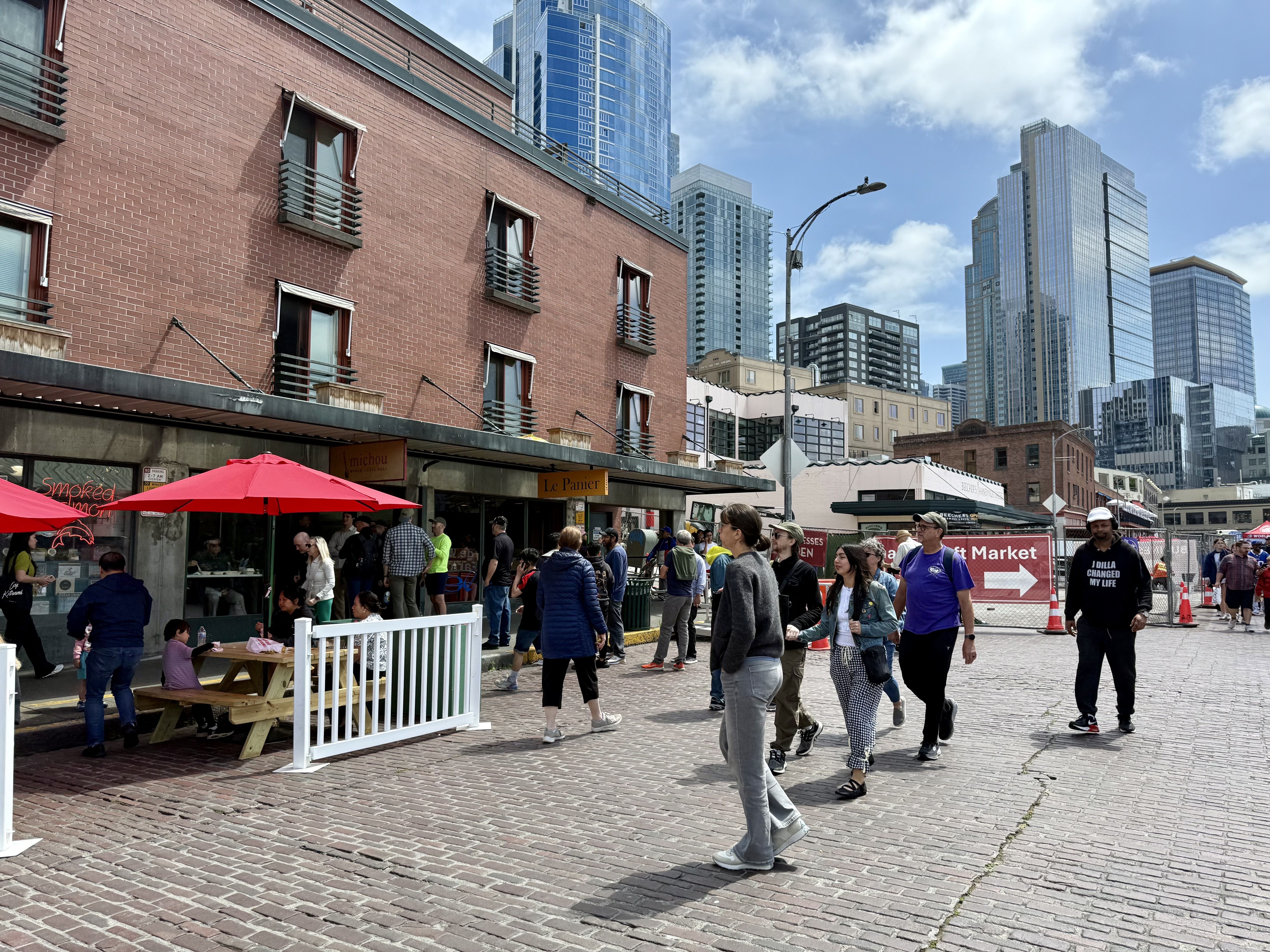
My thought bubble: During recent visits to the market on foot, I've noticed that the many visitors stopping to take selfies seem far less at risk of being hit by cars.
- I've also found afternoon visits more enjoyable than before.
- Now that people can spread onto the roadway, they aren't as tightly packed on the narrow sidewalks or in the market hall.
What's next: Douglas said market officials are "continuing to monitor street activity on busy weekends and may adjust closure times as needed."
2. 🚽 What to do with ticks


3. Morning Buzz: 📈 Tunnel tolls

4. 🚗 How often we crash


The average driver in Seattle goes 9 years between collisions, according to claims data from Allstate.
- That's a more frequent rate of crashes than the national average, which was 10.6 years.
Yes, but: We're less crash-prone than drivers in Baltimore, Washington, D.C. and Boston, where drivers go an average of roughly three to four years between collisions.
5. 🌊 Closed beach, open views
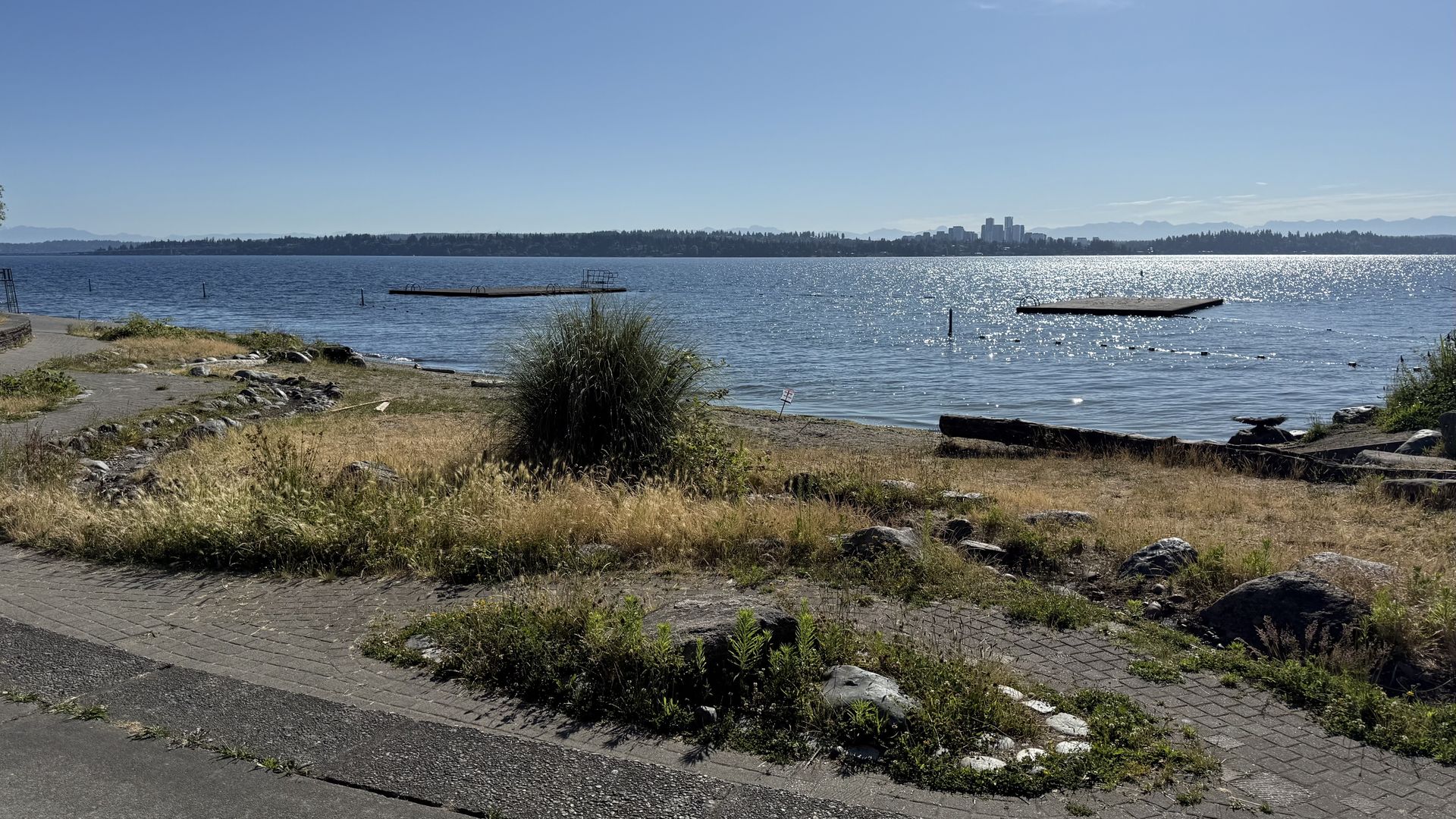
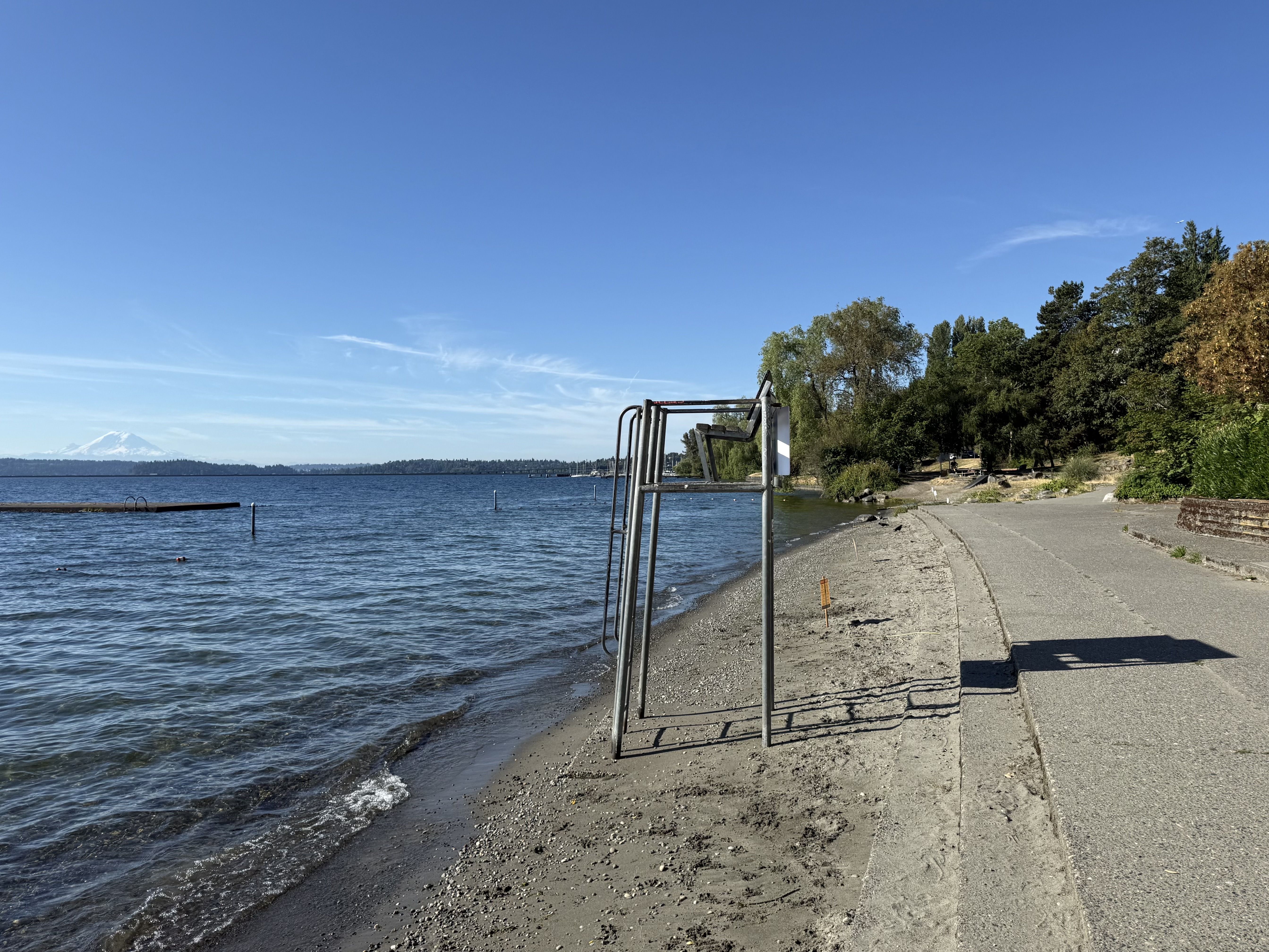
Madrona Beach is one of several city beaches that remain closed this week because of high bacteria levels.
Yes, but: The shoreside spot still offers peaceful views of Lake Washington and Mount Rainier, even if the water is off limits.
- I snapped these photos yesterday while dropping my son off at dance camp next door.
Axios Seattle
