Axios Seattle

April 07, 2026


1 big thing: 💰 The I-5 bridge saga's big bill
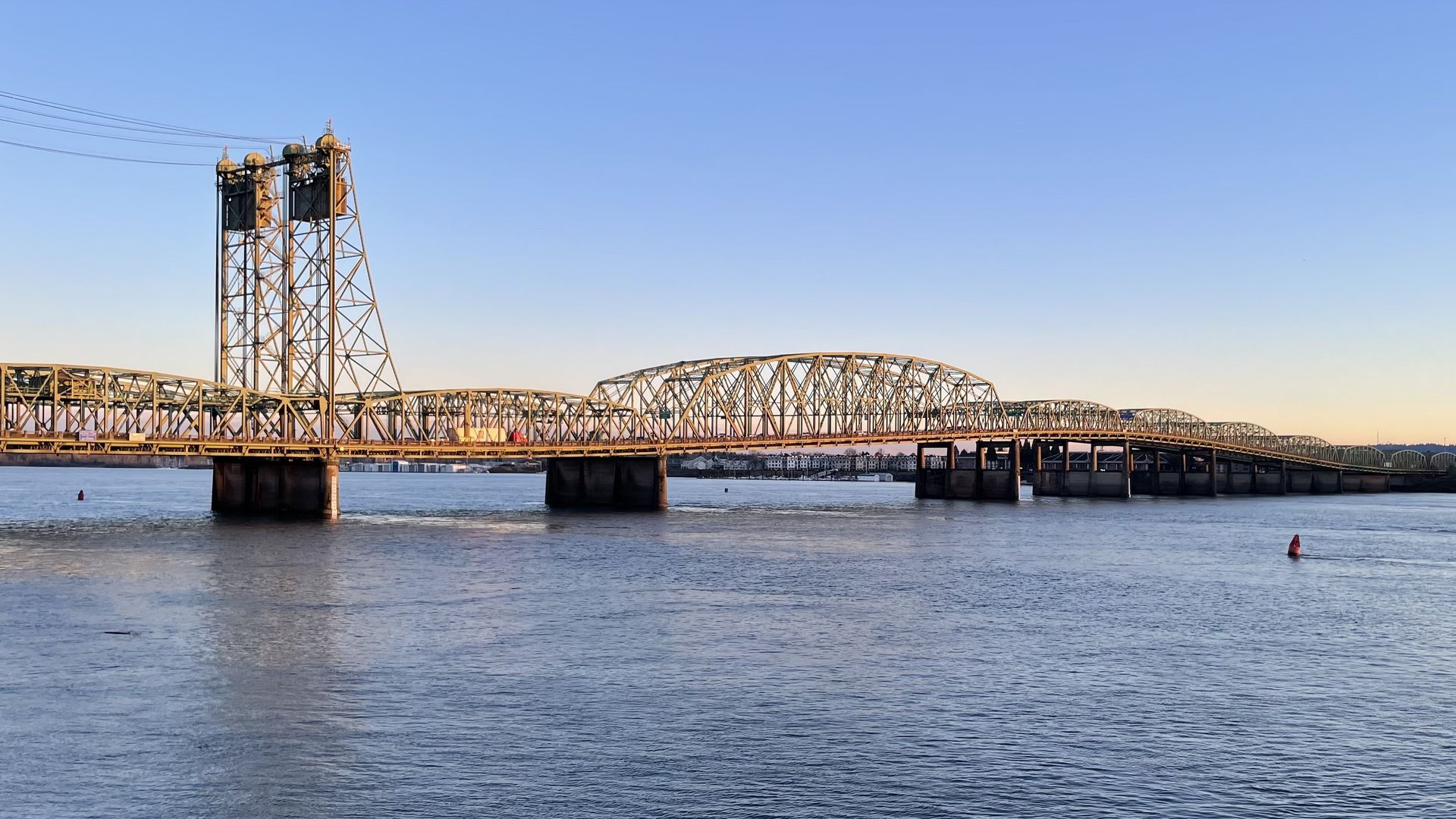
The soaring price tag for a new Interstate 5 bridge connecting Washington and Oregon is only the latest stumble in a decades-long effort to replace the aging crossing.
Why it matters: The total project cost now tops $14 billion and has more than quadrupled since an earlier replacement plan fell apart in 2013, all while the bridge continues to snarl traffic and could collapse in a major earthquake.
The big picture: In 2014, Bloomberg News called the abandoned I-5 bridge project over the Columbia River "one of the greatest engineering non-achievements of the 21st century."
- Twelve years later, state officials say they're determined to move forward.
- "We're building this damn bridge," Washington Gov. Bob Ferguson said last month.
State of play: The current I-5 bridge, which connects Portland to Vancouver, Washington, consists of two spans — one built in 1958 and another dating to 1917.
- Both rise to accommodate boat traffic, causing regular backups at what officials say is the only stoplight on I-5 between Canada and Mexico.
Catch up quick: Efforts to address the traffic chokepoint gained steam by the early 2000s.
- In 2005, Oregon and Washington launched the Columbia River Crossing project to plan a replacement bridge and light rail extension.
- Federal officials gave the project the green light in 2011, committing to a design that included light rail. Oregon approved $450 million toward construction in 2013.
Yes, but: Washington's Legislature didn't follow suit, largely because members of the conservative state Senate majority objected to the light rail component of the project. That led to the project shutting down in 2014.
- Oregon and Washington formally restarted planning efforts in 2019.
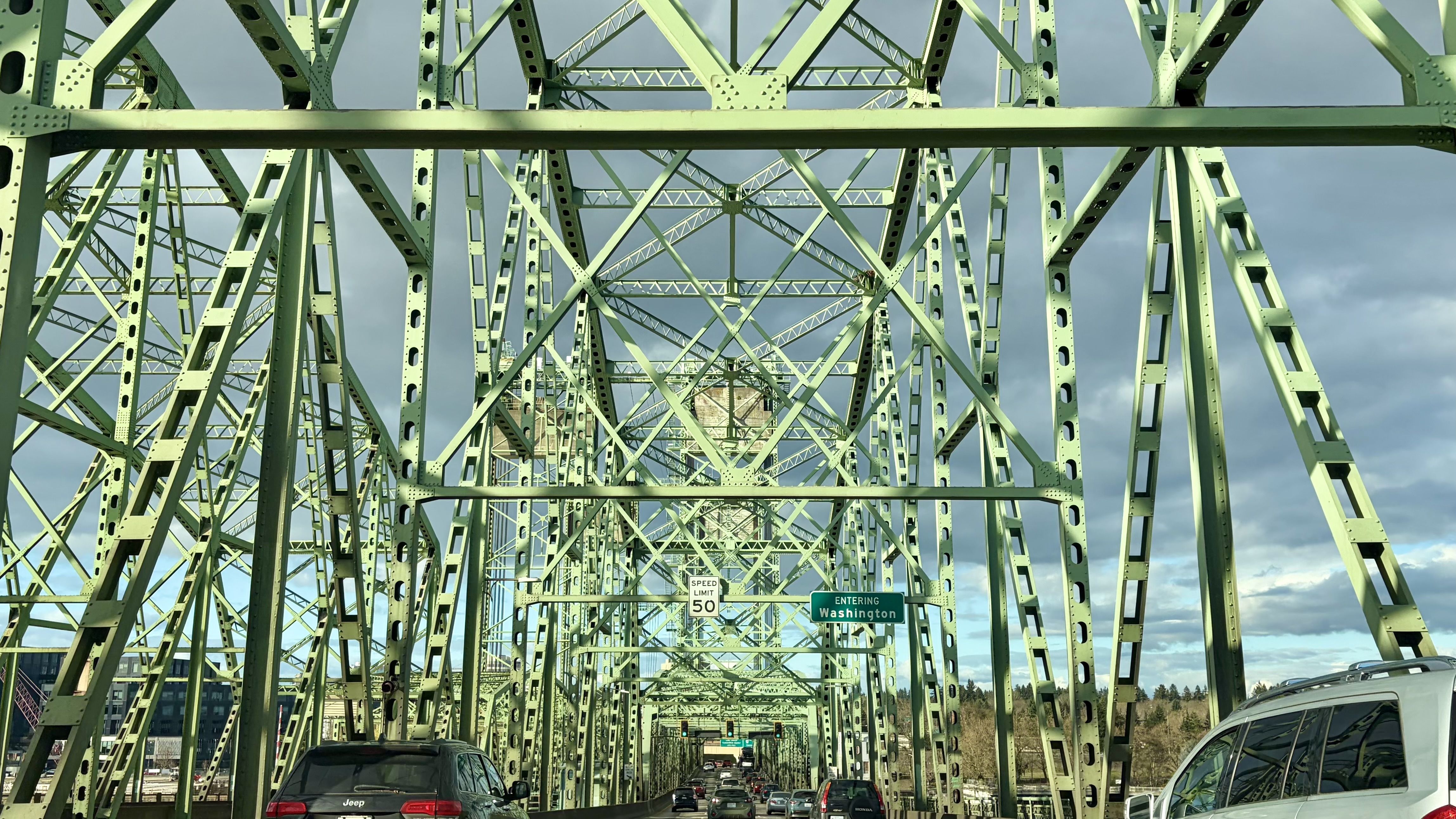
The latest: An updated estimate released last month pegged the total cost of replacing the bridge and upgrading the surrounding corridor at $14.4 billion, driven in part by inflation and projected risk.
- That's up from $3.4 billion, which was estimated for the former Columbia River Crossing project shelved in 2014.
Officials are now looking to delay some planned corridor improvements, including freeway interchanges and additional light rail stops, to focus on replacing the bridge itself and bringing light rail to the Vancouver waterfront.
- Those core elements can likely be completed for about $7.7 billion, project officials say.
What's next: Project leaders aim for the first phase of construction to begin in 2028.
- Ferguson said state and local officials will "continue to work toward the larger corridor down the road in phases as funding becomes available."
2. Tell us: 🐜 Which bugs bug you


Spring is here! The sun is finally shining in Seattle, and as temperatures rise, so do uninvited houseguests — ants patrolling the countertops, spiders setting up shop in forgotten corners and mystery flies emerging from drains.
We want to hear from you: Have you ever had a weird encounter with a stinkbug? Surrendered to an ant invasion? Woken up with mysterious bites?
- Which springtime bug do you hate the most, and why?

Plus: Take our survey here and tell us what pest bugs you the most, or email us at [email protected] with your most squeamish stories.
- Your response could be featured in an upcoming story.
3. Morning Buzz: 📋 Rail survey



Axios Seattle
